Ronter Sound Philadelphia Editorial
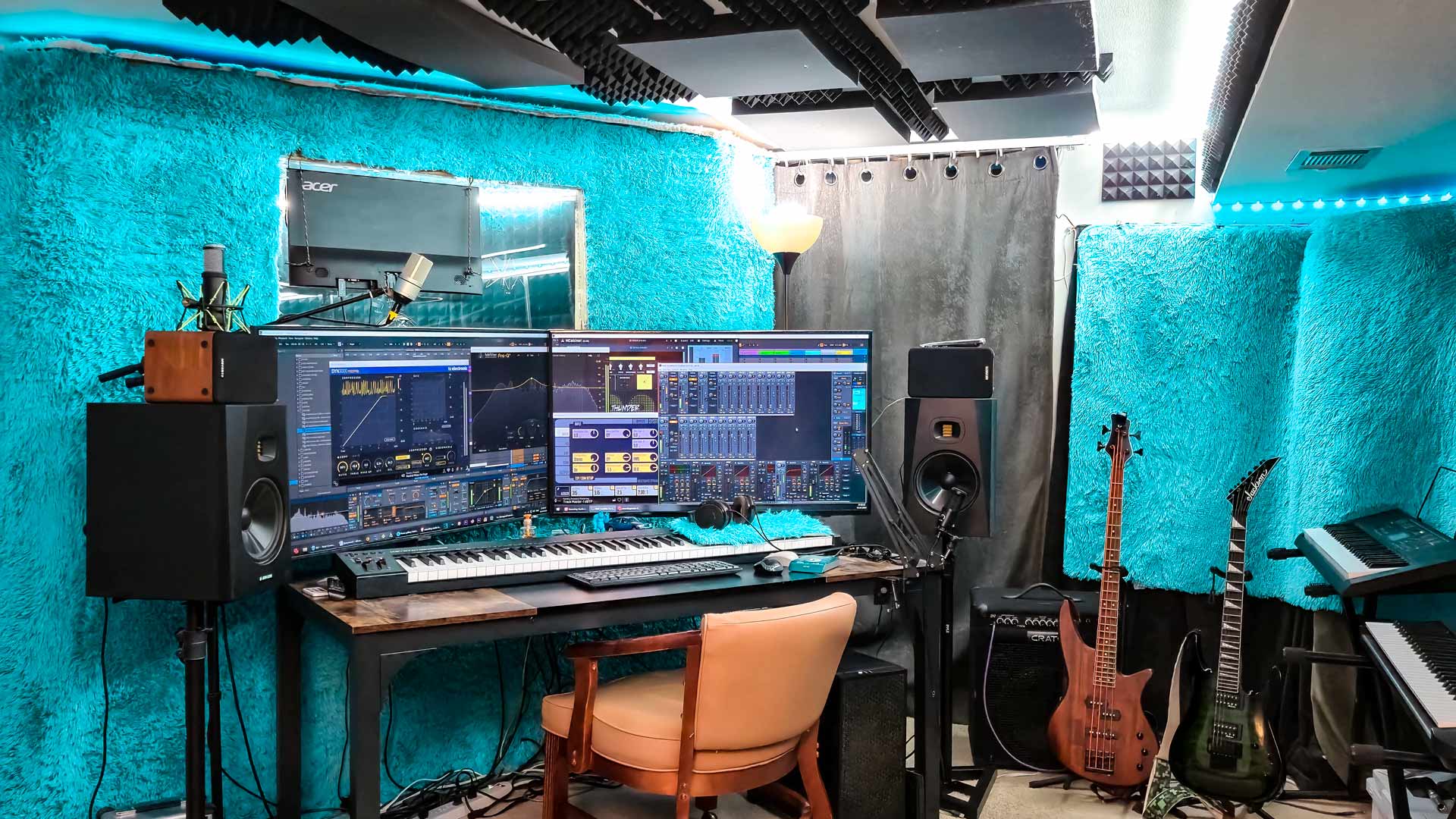
Common recording studio mistakes usually do not come from a lack of talent. They come from poor preparation, unclear expectations, weak session habits, and misunderstanding how studio time really works. The good news is that most of these problems are preventable.
If you are booking time for vocals, instruments, voiceover, editing, or a full song session, avoiding the most common recording studio mistakes can save hours, reduce stress, and lead to a much stronger result. At Ronter Sound Philadelphia, we see the same patterns again and again. The difference between a smooth session and an expensive, frustrating one is often not equipment. It is workflow.
A recording studio session is not just a room with microphones. It is a chain of decisions. Preparation affects performance. Performance affects the number of takes. The number of takes affects editing time. Editing affects tuning, cleanup, mixing, and final delivery. When people make recording mistakes at the beginning, they usually pay for them later in time, energy, and money.
That is especially important in an hourly studio model. At Ronter Sound, the structure is intentionally simple: the standard rate with engineer is $60 per hour, and a first session for new clients is $30 per hour with the same full-quality workflow. There are no hidden stage-by-stage fees. That means the main variable is not a mysterious package. It is how efficiently the session moves.
In other words, many common recording studio mistakes are really time-management mistakes. And in a professional environment, time becomes the clearest unit of cost.
The fastest summary is this: the most common recording studio mistakes are poor rehearsal, unfinished lyrics, unclear references, bad file preparation, unrealistic timing, and trying to do too many creative decisions in the same hour.
A prepared vocalist may record a clean song idea in 1 to 2 hours. A less prepared artist may spend 2 to 3 hours just getting usable takes. If editing, cleanup, vocal tuning, and mixing and mastering are added afterward, the total project time can increase quickly. The mistake is not needing more work. The mistake is failing to expect it.
Imagine an artist booking time for voice, vocal, or speech recording. If the lyrics are finalized, the beat is ready, the vocal key fits, and the performer has rehearsed, the session can stay focused. The engineer can concentrate on capture quality, performance coaching, take selection, and session flow.
Now compare that to a session where the artist is still rewriting lines, deciding the hook melody, changing the instrumental version, and asking to build a final release mix on the spot. None of those tasks are impossible. In fact, they are normal studio tasks. But when everything happens at once, time expands. A project that could have felt efficient starts feeling chaotic.
That is why a lot of people misunderstand recording cost. They think the studio is expensive, when in reality the session became longer because the project was not structured. Clear preparation usually creates better value than trying to save money by arriving half-ready.
This is usually the biggest factor. Rehearsed material leads to fewer retakes, stronger confidence, and cleaner editing later.
A single lead vocal is very different from layered harmonies, ad-libs, doubles, and detailed arrangement work for a finished song.
Clients who bring messy files, wrong stems, missing versions, or low-quality exports often add avoidable setup time. If you need help cleaning material, our audio editing and processing service is built exactly for that.
Beginners often need more coaching, more repetition, and more recovery breaks. That is normal. The mistake is not being a beginner. The mistake is booking with no realistic expectation of pace.
Scenario one: a prepared rapper arrives with a finished beat and memorized lyrics. This may fit into 1 to 2 hours for tracking, with more time added only if editing or final polish is requested.
Scenario two: a singer-songwriter wants to record vocals, adjust the arrangement, and review harmonies in the same session. This often becomes a 3 to 4 hour block or more, especially if the song is still evolving.
Scenario three: a client brings outside recordings that need repair, cleanup, tuning, and finishing. In that case, mixing, mastering, and production support may be more relevant than new recording time. The right structure depends on the material, not on a fixed one-size-fits-all package.
Our studio is located at 1824 Tomlinson Rd in Northeast Philadelphia, and we regularly work with artists, performers, voice clients, and musicians from nearby areas as well as the wider Philadelphia region.
If location matters to your planning, you can find directions and contact details on our contacts page. You can also move straight to booking if you already know what kind of session you need.
A surprisingly common mistake is choosing the wrong kind of session. Someone may book general recording time when what they really need is commercial audio recording, voiceover for video and social media, or a more performance-based musician session. Defining the goal early helps the engineer build the right workflow.
Another mistake is ignoring references. Clients often say they want a polished, modern result but bring no examples of tone, vocal style, or mix direction. References do not limit creativity. They make communication faster and more accurate.
And finally, many artists underestimate the value of listening back calmly before making final choices. Fatigue leads to rushed decisions. Taking ten careful minutes to compare takes can save an hour of correction later.
Finish your lyrics. Rehearse your parts. Bring the correct files. Decide whether you need tracking, editing, production help, or final polishing. Review our services, listen to examples on the demo page, and check the pricing page so your expectations match the real studio process.
Most common recording studio mistakes are avoidable once the project is treated like a process instead of a guess. Better structure usually means better recordings.
Poor preparation is usually the most common issue. Unrehearsed material leads to more takes, more corrections, and slower sessions.
Usually yes, because most studio work is time-based. At Ronter Sound, the system is simple hourly pricing, so wasted time is the clearest source of extra cost.
Rehearse in advance, finalize lyrics or script, organize your files, and know whether your goal is recording, editing, tuning, or a finished mix.
Sometimes, but not always. For simple projects it can work well. For larger songs, separating stages often creates better focus and better decisions.
Ronter Sound is located at 1824 Tomlinson Rd, Northeast Philadelphia, PA 19116. Full contact details are available on the contacts page.
If you want a session that stays focused, transparent, and realistic from the start, explore our studio services or go directly to book your session.