Ronter Sound Philadelphia Editorial
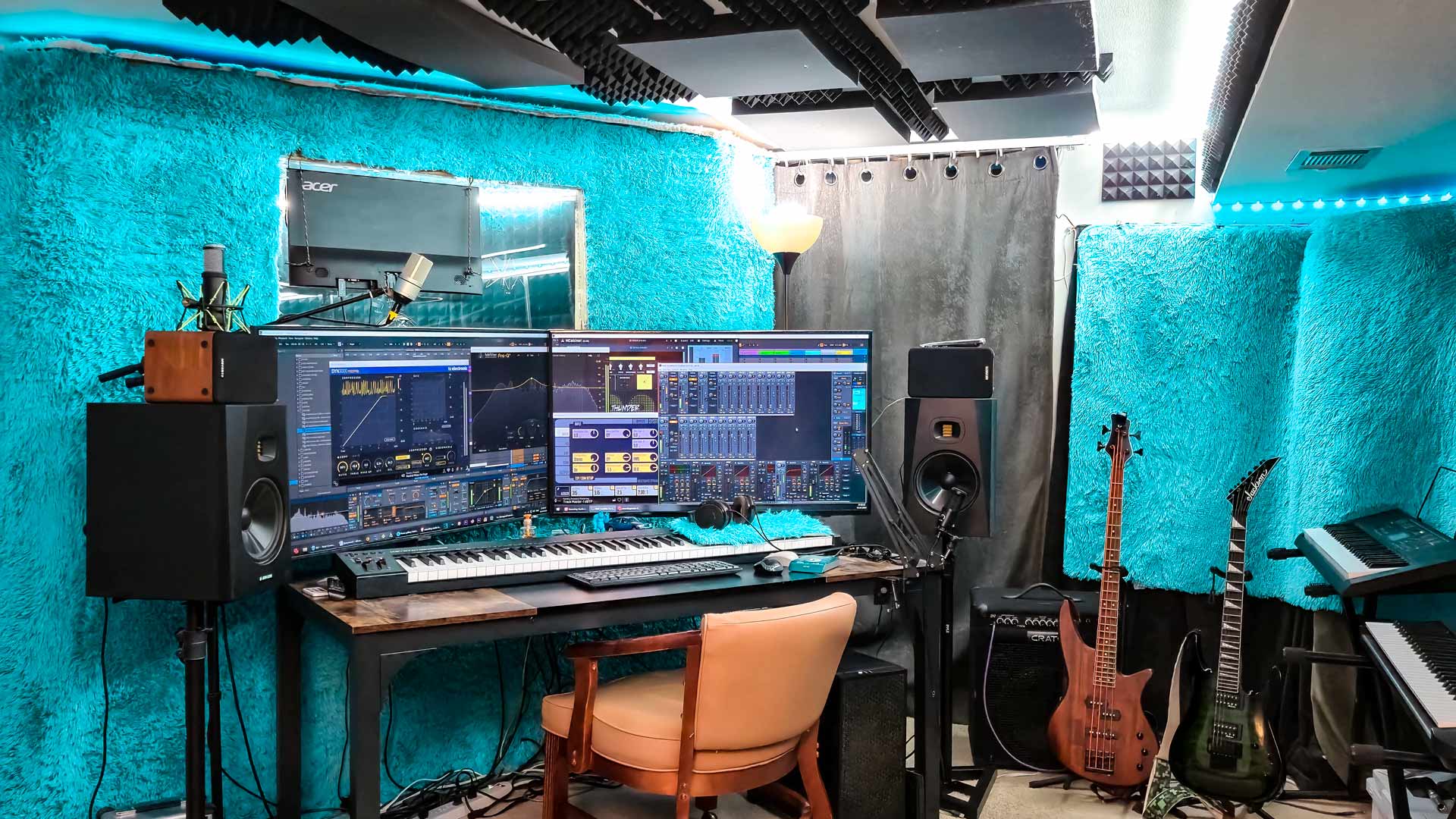
Many artists ask the same question at the point when recording is finished: do you need mixing and mastering, or is a good recording enough? The honest answer is that most songs benefit from both, but not every project needs the same depth of work. It depends on what you want the track to do, how polished the raw material already is, and where the song is going next.
At Ronter Sound Philadelphia, we handle recording, editing, tuning, mixing, and mastering inside one clear workflow. That makes this question easier to answer in practical terms. You are not trying to guess which mysterious stage matters more. You are looking at what your track actually needs to sound complete, balanced, and ready to share.
If you want your music to sound finished, clear, and consistent across speakers, headphones, cars, and streaming platforms, then yes, you usually need mixing and mastering. If you only need a rough demo, a writing reference, or a draft for private review, you may not need the full final chain yet.
Mixing is where separate recorded elements begin to act like one song. A vocal may be recorded well, a beat may already sound strong, and background layers may all be in tune, but the track can still feel flat, crowded, or unbalanced. Mixing solves that by deciding how everything should sit together.
That can include level balancing, EQ, compression, reverb, delay, cleaning unwanted harshness, controlling low end, improving vocal presence, widening or narrowing certain elements, and making sure the arrangement feels readable instead of cluttered. If your project includes outside files, vocal stems, instrumental layers, or home-recorded parts, our audio editing and processing service often becomes part of that path before the actual mix is complete.
A good mix does not only make the song louder or shinier. It makes the song easier to understand emotionally. The listener hears the lead clearly, the rhythm feels controlled, and the song moves with intention.
Mastering happens after the mix is approved. It works on the final stereo file rather than on individual tracks. The goal is not to reinvent the song. The goal is to refine the final presentation, control overall tone and dynamic behavior, and prepare the file for release or distribution.
This stage may involve subtle tonal correction, loudness control, stereo refinement, peak management, and final checking so the song feels finished rather than just exported. If you are releasing a song on streaming services, sending it to clients, or using it in content that represents you publicly, mastering usually matters.
That is why many artists asking do you need mixing and mastering are really asking whether they need a song that sounds complete. In most public-facing cases, the answer is yes.
Our studio does not separate every technical stage into confusing package layers. The standard studio rate with engineer is $60 per hour, and the first session for new clients is $30 per hour with the same full-quality workflow. Recording, editing, production support, vocal correction, mixing, and mastering are handled within one direct hourly structure. You can see the general studio model on the price page and the full range of work on the services page.
This means the cost is not based on a vague promise. It depends on time and on the real condition of the material. If your vocals are clean, your arrangement is solid, and the performance is consistent, mixing and mastering can move efficiently. If there are timing issues, many layers, tuning corrections, noise problems, or unclear production decisions, the process naturally takes longer.
For many artists, that transparency is more useful than a fixed number with hidden limits. You pay for the work your project actually needs.
There is no universal song price because one vocal over a finished beat is not the same as a dense production with doubles, ad-libs, harmonies, instrumental layers, edits, and corrections. Still, realistic reference points help.
A prepared artist with a clean instrumental may record, adjust, and move toward a usable mix in a relatively short session. A more layered song may take several hours across recording, cleanup, tuning, balancing, mix revisions, and final mastering. Under our hourly system, two hours at the standard rate is $120, three hours is $180, and four hours is $240. A first session at the new-client rate can cut those numbers in half for the initial visit.
Those are examples, not package promises. The real answer always comes from the material itself.
The biggest factor is preparation. When a performance is rehearsed and recorded with intention, the mix can focus on sound rather than repair. When the performance is inconsistent, extra time goes into cleanup before the song can even begin to feel polished.
Demo only: You may not need full mastering yet. A simple working mix can be enough if the song is still being rewritten or reviewed.
Single for release: You almost always need both. If the song is going to Spotify, Apple Music, YouTube, or social media promotion, finishing the chain matters.
Voice content: Spoken material, ad spots, and voiceover work may need a different balance of editing, cleanup, and final loudness control rather than a music-style mix. See our voiceover service and advertising audio recording page.
Song production from scratch: If you are still building the song, recording, editing, arranging, and production decisions all affect how mixing and mastering will later be approached. You can explore that broader workflow on our mixing, mastering, and producing page and our song and instrument recording page.
Ronter Sound is located at 1824 Tomlinson Rd in Northeast Philadelphia. We work with artists, vocalists, musicians, and creators from Philadelphia and nearby areas who want a clear process and a real studio environment rather than guesswork. If you want to ask about your track, send files, or plan a first session, visit our contacts page or go directly to booking.
A common mistake is assuming that a strong microphone and a good vocal take automatically create a finished record. Another is trying to skip mixing because the beat already sounds polished. A commercial instrumental may sound complete by itself, but once your voice enters, the relationship changes. The vocal needs its own space, tone control, and integration.
Another mistake is expecting mastering to fix an unfinished mix. Mastering can refine a good mix, but it is not a replacement for balancing and shaping the song correctly. If the vocal is buried, harsh, muddy, or disconnected, that should be solved in the mix first.
The most useful approach is simple: decide what the song is for, be honest about the current state of the material, and choose the level of finishing that matches that goal.
Not every draft needs the full process, but most songs intended for public release benefit from both. A rough demo can stay rough. A finished release usually should not.
No. Mastering can refine a good final file, but it cannot properly repair a vocal balance problem, muddy arrangement, or badly controlled frequency conflicts inside the mix.
At Ronter Sound Philadelphia, work is charged by time through one clear studio rate: $60 per hour standard, or $30 per hour for a new client’s first session. The final total depends on how much work the project needs.
Only if the performance needs it. Some songs require very little correction. Others need noticeable pitch and timing work before the mix can feel polished and confident.
You can visit our demo page to hear examples and get a better sense of the studio’s sound and workflow.
If you are still asking do you need mixing and mastering, the easiest way to frame it is this: if the song matters enough to represent you, it matters enough to finish properly. The exact amount of work may be light or detailed, but most serious tracks need that final shaping.
If you want clear hourly pricing, a direct workflow, and a studio that can handle recording through final polish in one place, Ronter Sound Philadelphia is ready to help. Learn more on our mixing and mastering service page, reach out through contacts, or schedule time on the booking page.