
Ronter Sound Philadelphia Editorial
Home Recording vs Studio Recording: What Really Changes
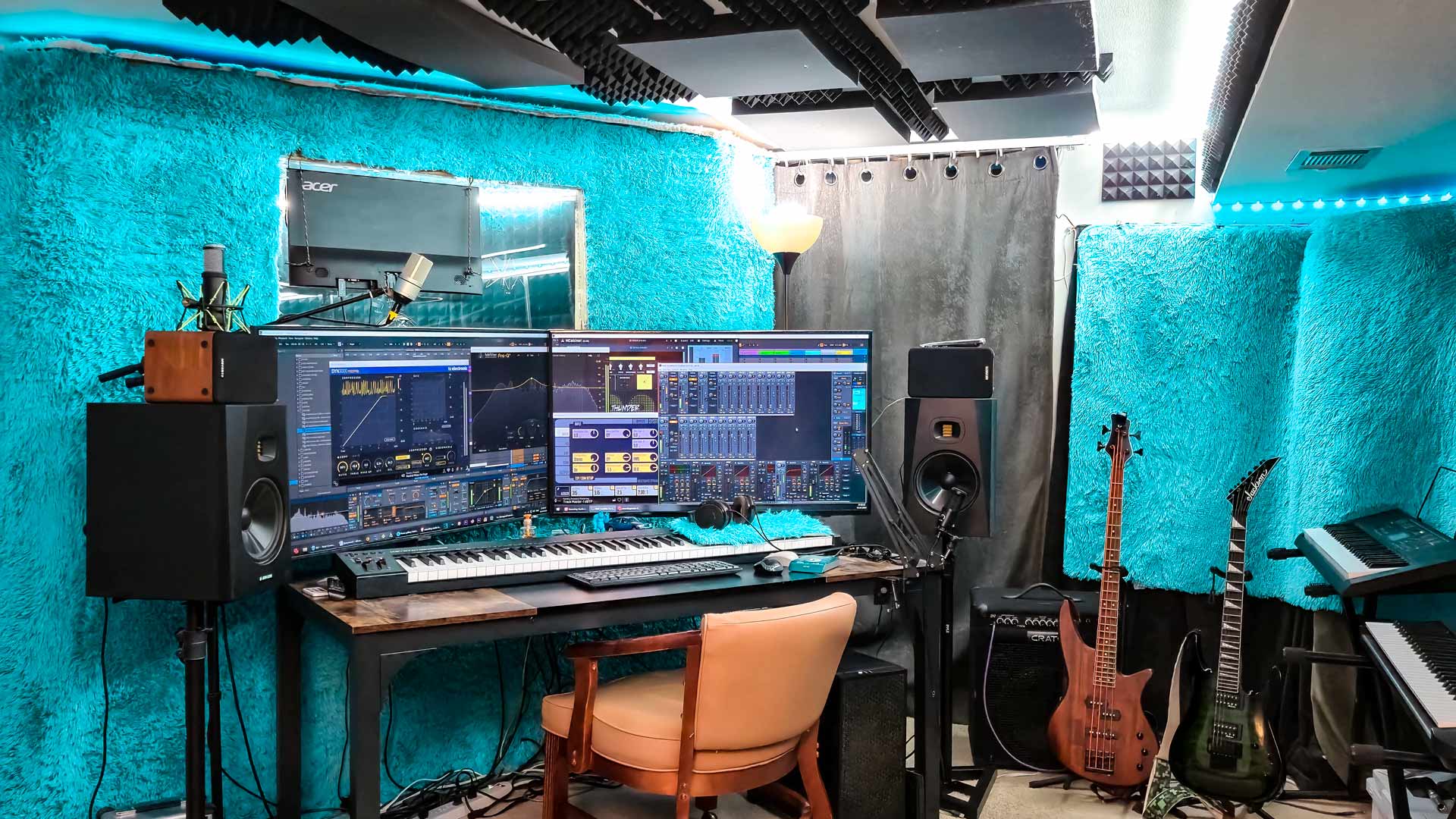
The question of home recording vs studio recording sounds simple at first, but for most artists, podcasters, voice actors, and content creators, it becomes a decision about quality, speed, consistency, and how much fixing will be needed later. A home setup can absolutely work. A professional studio can absolutely make a difference. The real issue is understanding where that difference comes from and when it matters enough to justify the cost.
For some projects, recording at home is practical and efficient. For others, it quietly creates problems: room reflections, noise from HVAC or traffic, inconsistent mic position, weak gain staging, and takes that feel good in headphones but fall apart in the mix. That is why the comparison is not really about “cheap vs expensive.” It is about control. In a properly treated room with the right signal chain and an experienced engineer, the recording process becomes easier, faster, and more predictable. If you are new to professional sessions, our services overview gives a clear picture of what can be recorded and refined in a studio environment.
A Quick Answer
Why the Sound Changes So Much
The biggest difference in home recording vs studio recording is rarely the microphone alone. It is the room. In an untreated bedroom or apartment, the mic does not hear only your voice or instrument. It hears wall reflections, ceiling bounce, low-end buildup, computer fan noise, and whatever lives outside the window. Even a strong performance can sound narrow, boxy, harsh, or distant because the room is printed into the take.
A studio improves that chain from the start. The room is designed to support clean capture. Monitoring is more reliable. Mic placement is adjusted in real time. The engineer hears issues before they become editing problems. That is especially important for voice, vocal, and speech recording, where small details in tone and intelligibility matter more than people realize during the session.
This also affects workflow. Home sessions often take longer because the performer is wearing three hats at once: artist, engineer, and quality control. In a studio, those jobs are separated. You perform. The engineer listens. The session moves forward without technical interruptions stealing momentum.
How Cost Is Actually Formed
Many people assume home recording is always cheaper. In a narrow sense, that can be true. If you already own gear and the result only needs to be “good enough,” the upfront cost feels low. But a realistic comparison includes more than the price of a microphone. It includes acoustic treatment, interface quality, headphones or monitors, plugins, noise reduction tools, editing time, and the hidden cost of retakes when the source audio is weak.
Studio recording costs are easier to understand because they are tied to time, space, equipment, and engineering support. A session price includes a treated room, a reliable chain, monitoring that translates better, and a process designed to protect the performance. If the project moves into post-production, pages like editing, mixing, and audio processing and mixing, mastering, and producing tracks show how much easier the later stages become when the raw recording is strong.
What Influences the Decision
There are a few practical factors that decide whether home or studio recording makes more sense.
1. Type of project
A voice memo for songwriting is not the same as a release-ready single. Commercial audio, voiceover, podcast intros, and sync-oriented vocals benefit from cleaner source files. That is why creators working on voiceover for video, reels, and short content or advertising audio spots and presentation materials often choose studio sessions sooner than music hobbyists do.
2. Number of layers
The more doubles, harmonies, ad-libs, instruments, or spoken layers you record, the more room problems stack up. A single imperfect take may be manageable. Twenty imperfect takes become a texture problem.
3. Editing expectations
If you already know the project will need tuning, timing work, cleanup, comping, or detailed mixing, a studio recording gives those processes better material. For singers, vocal tuning works far more naturally when the vocal is clean and steady to begin with.
4. Time pressure
Home recording is flexible, but flexibility can become delay. A studio session creates a focused block of time with fewer distractions and better momentum.
Real-World Scenarios
Scenario one: a songwriter is building ideas, sketching hooks, and testing arrangements. Home recording is often enough here. Capture the idea, keep the process quick, and move forward.
Scenario two: a vocalist wants one polished single with strong lead vocals and clean doubles. Studio recording usually saves time and improves the final texture. If the song also includes instrumental or layered performance work, the workflow on songs, tracks, and musical instruments becomes much easier in a controlled environment.
Scenario three: a voice actor, creator, or presenter needs dependable audio across multiple pieces of content. A studio is often the better long-term move because consistency matters as much as raw sound quality.
Scenario four: a band member already records ideas at home but wants a professional finish. That hybrid model works well: write at home, then record the critical parts in a studio, review demo examples, and book the session when the material is ready.
Recording in Northeast Philadelphia
Ronter Sound is located at 1824 Tomlinson Rd in Northeast Philadelphia. The studio is convenient for clients coming from nearby areas across Northeast Philadelphia and surrounding communities, making it practical for local artists, content creators, musicians, and businesses who want a professional recording space without unnecessary travel complexity.
For directions, studio contact details, and the quickest way to reach out, visit the contacts page.
Common Mistakes People Make
One common mistake is trying to fix a weak recording entirely in post. Editing can help, but it cannot fully remove a bad room from a vocal without tradeoffs. Another mistake is assuming expensive gear at home automatically creates studio-level results. Without acoustic control and experienced listening, even strong gear can underperform.
A better approach is to match the recording method to the purpose. Use home recording for speed, writing, rough drafting, and experimentation. Use studio recording when the project needs to sound finished, consistent, and easy to mix. If you are ready to move from planning to a real session, the booking page keeps that next step simple.
FAQ
Is home recording good enough for Spotify or Apple Music releases?
Sometimes, yes. It depends on the room, the engineering skill, and the production style. For stripped-down or intentionally raw material, home recording can work. For polished vocals and layered commercial mixes, studio recording usually gives a stronger starting point.
Why does studio recording often sound clearer even before mixing?
Because the room, microphone chain, gain staging, and monitoring are controlled. That means less unwanted noise, fewer reflections, and a more focused capture.
Can I record at home and still bring files to a studio later?
Yes. That hybrid path is common. You can create ideas at home and then bring selected vocals, instruments, or spoken parts into the studio for better capture and finishing.
Is a studio worth it for beginners?
Often, yes, especially for a first serious track or first voiceover project. A studio session can reduce frustration and help you understand what a properly captured recording should sound like from the beginning.
Final Thought
The real difference in home recording vs studio recording is not prestige. It is how much uncertainty you want in the process. Home recording offers freedom. Studio recording offers control. The right choice depends on your goal, your timeline, and how finished the result needs to feel.