
PHILADELPHIA RECORDING STUDIO GUIDE
How Long Does It Take to Record a Song?
A realistic explanation of studio time, what changes the timeline, and how long different recording scenarios usually take in practice.
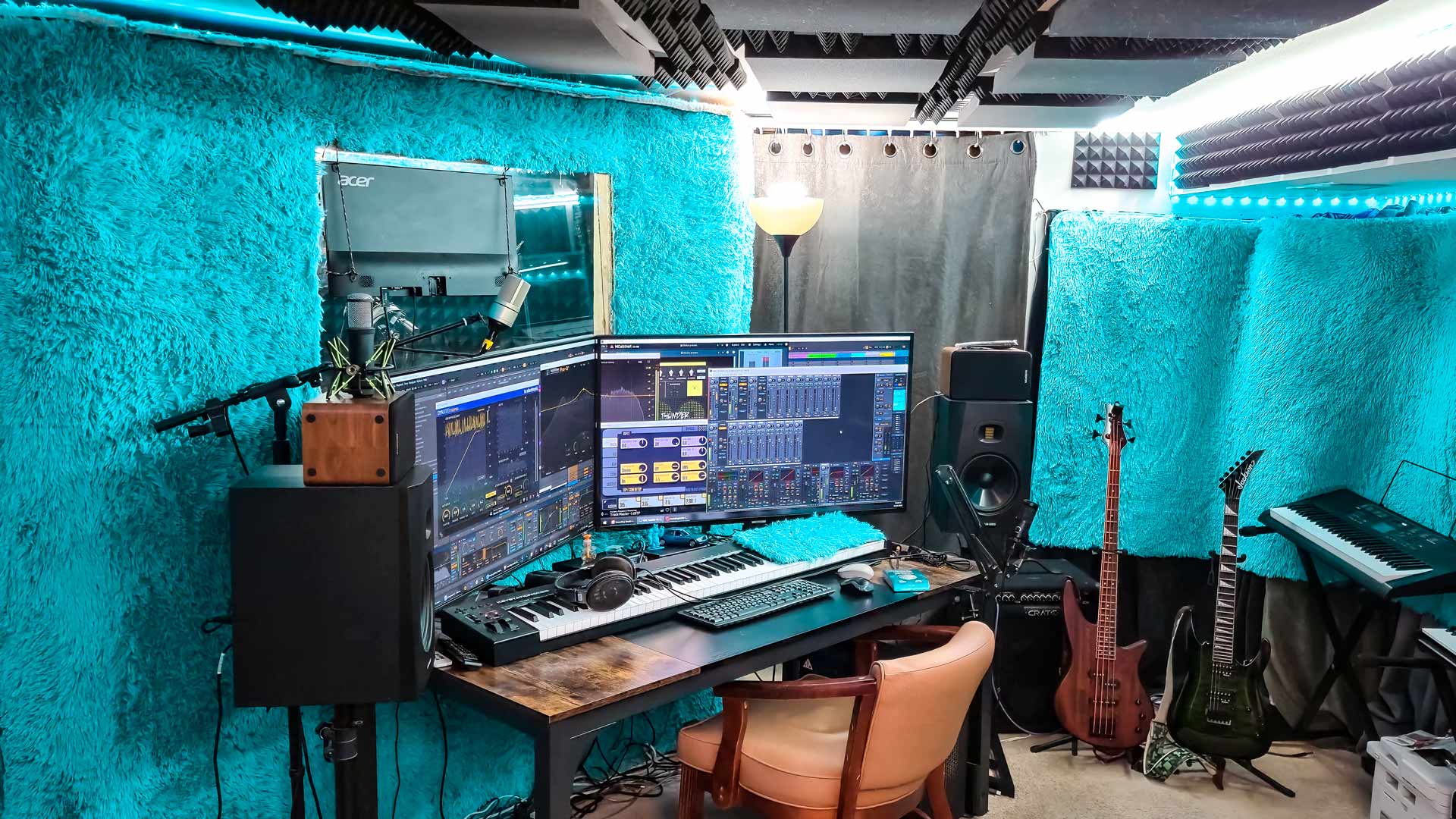
If you are asking how long does it take to record a song, the honest answer is that there is no single number that fits every project. Some artists can capture what they need in one focused hour. Other songs require several hours or multiple sessions because recording is not only about pressing record. It includes preparation, takes, retakes, timing, correction, decisions, and sometimes early mix work.
At Ronter Sound Philadelphia, sessions are built around real workflow rather than artificial packages. That means the timeline depends on the artist, the material, and the level of finish needed. A session may include vocal recording, instrument tracking, editing, vocal tuning, and even mixing and mastering depending on how far you want to take the song.
Quick Answer
Why Recording Time Varies So Much
A song may look simple from the outside, but the timeline can change quickly once the session starts. The biggest variable is preparation. A performer who knows the song, understands the rhythm, and can deliver consistent takes will move through the session much faster than someone still figuring out melody, timing, breath placement, or phrasing in the room.
Another major factor is what you mean by “record a song.” For some people, that means only capturing raw vocals. For others, it also means comping, tuning, cleaning, balancing, and shaping the track into something much closer to a finished release. That is why questions about time connect directly to studio pricing and studio time cost per hour — more work means more time.
What Usually Happens During a Song Session
In a typical recording session, time is not spent on recording only. A realistic workflow often includes setting levels, warming up, finding the right mic distance, running test takes, recording multiple passes, choosing usable takes, and discussing what needs another pass. If the artist wants a stronger result, the session can also move into early cleanup or even editing.
- setup and soundcheck
- recording lead vocals
- recording doubles, harmonies, or extra layers
- re-recording weaker sections
- cleanup, alignment, or tuning if needed
Typical Recording Scenarios
Quick session
A prepared artist comes in with a clear plan, records a straightforward vocal over an already finished instrumental, and leaves with raw files. This can sometimes fit into one hour.
Standard song session
Lead vocals, a few retakes, maybe some doubles or harmonies, and light shaping of the material. This is where many songs land in the 2–4 hour range.
More detailed production
Additional layers, more correction, tighter performance standards, and stronger release expectations can easily push the work beyond a single session.
Common Reasons Sessions Take Longer
The most common reason is not poor sound — it is unstable performance. If the singer is not fully rehearsed, struggles with pitch, rhythm, breath support, confidence, or endurance, the engineer has to spend more time collecting enough usable material to build a strong result. That is normal, but it changes the timeline.
- not knowing the song well enough
- fatigue after repeated takes
- too many last-minute creative changes
- adding extra vocals that were not planned in advance
- expecting a near-finished track from a very short session
Tips to Record Faster and Better
The best way to shorten the session is not to rush. It is to arrive prepared. Rehearsing before the session usually saves time, improves confidence, and gives you better takes much earlier. That leads to better value, because your recording studio pricing in Philadelphia ends up matching productive work rather than preventable delays.
- practice the full song before booking
- know where the difficult sections are
- bring the correct instrumental or session files
- decide in advance whether you want harmonies or doubles
- ask questions early through contacts if you are unsure
FAQ
Can one song be recorded in one hour?
Yes, sometimes. It is most realistic when the artist is prepared and only needs a simple vocal capture without much extra work.
What is the most common range?
For many artists, a realistic range is 2–4 hours for a complete song session.
Does mixing happen in the same session?
Sometimes it can begin in the same session, but deeper mix and release-focused work may require more time or an additional session.
How do I estimate my own session better?
Look at your preparation honestly. The better you know the material, the easier it is to predict a shorter session.
Local Studio in Northeast Philadelphia
Ronter Sound is located at 1824 Tomlinson Rd, Northeast Philadelphia, PA 19116. We work with artists from Philadelphia and nearby areas. If you want to talk through your project, you can reach us through contacts or go straight to booking.
You can also hear examples on the demo page, review studio rates, or explore the full structure of services.
Ready to Plan Your Session?
If you want a realistic estimate for your own song, the best next step is to share what you are recording and how prepared the material is.