Ronter Sound Philadelphia
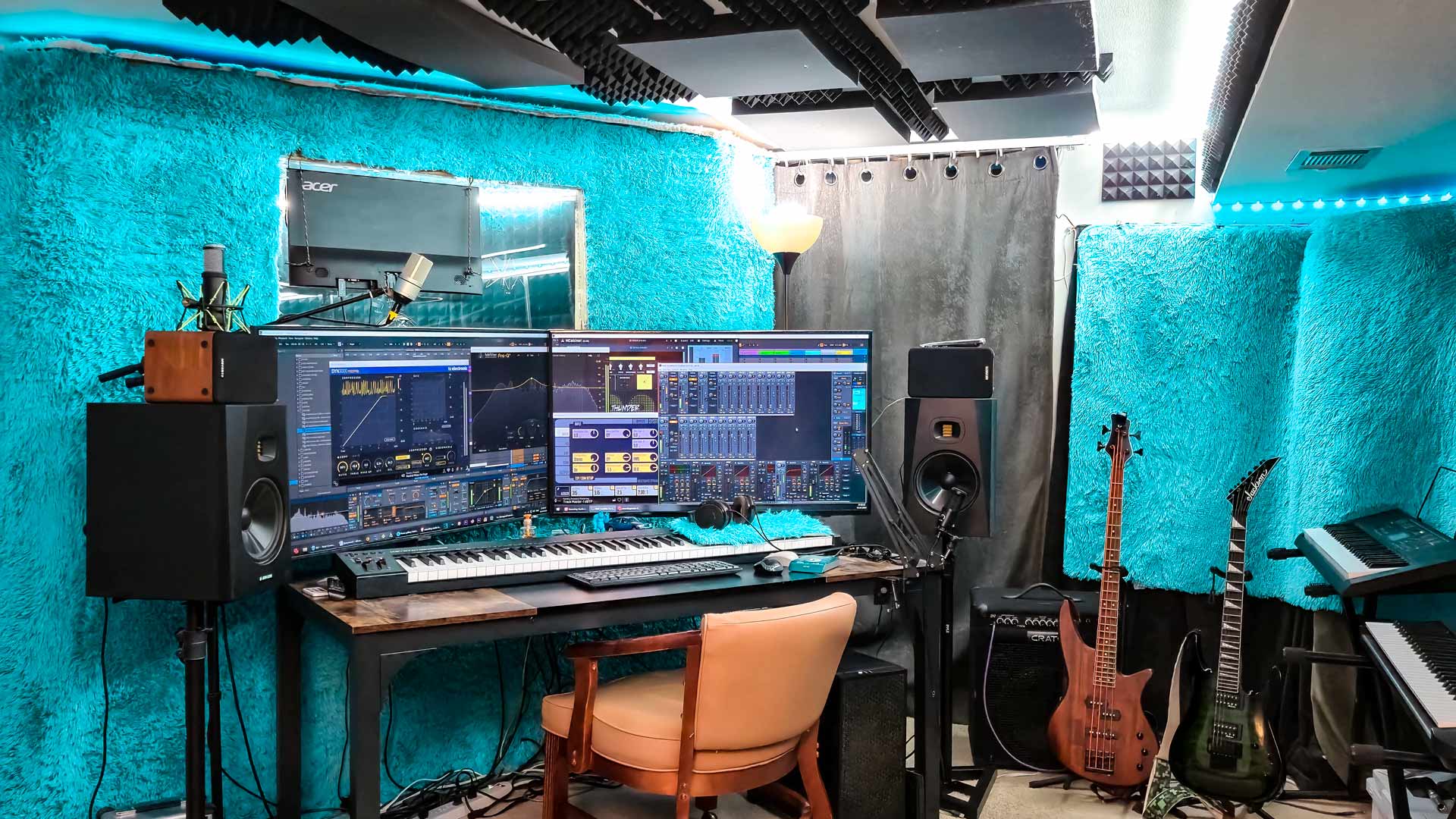
If you are wondering how long does vocal recording take, the honest answer is: it depends on the singer, the song, and the goal of the session. Still, there are clear patterns. In a professional studio, a prepared vocalist can often record a straightforward song in about 1 to 2 hours, while a more layered or less prepared session may take 3 hours or more.
At Ronter Sound Philadelphia, we keep the process simple. Studio time is billed by the hour, not through confusing packages. That means the question is not only how long vocal recording takes in theory, but how much time your specific material realistically needs in practice. If you want to understand the full workflow before booking, you can also explore our services, hear examples on the demo page, or review our clear studio pricing.
For most solo vocal sessions, a realistic range is 1 to 3 hours. A very prepared artist recording one main vocal over a finished instrumental may fit into a short session. A more detailed session with doubles, ad-libs, harmonies, retakes, punch-ins, and careful review naturally takes longer.
Our standard studio rate with engineer is $60 per hour, and a new client’s first session is $30 per hour with the same full-quality workflow. The time used is what determines the cost. That is why understanding session length matters. You are not paying for a vague package. You are paying for real work, in real time, with a transparent process.
The biggest reason people get surprised by session length is that recording is not only about singing into a microphone. It also includes setup, level checking, monitoring, take selection, timing decisions, and sometimes small creative adjustments while the session is happening. Even before editing, a recording session already includes many choices.
At our studio, the process is direct and flexible. A client may come in for voice, vocal, and speech recording, then decide during the session to add extra lines, tighten sections, or prepare files for later mixing. Because everything works within one hourly structure, the workflow stays simple. Time expands or stays short depending on what the project actually needs.
This is also why the question how long does vocal recording take should never be treated as one fixed universal number. It is better understood as a range shaped by preparation, experience, arrangement complexity, and artistic expectations.
Most vocal sessions are shaped by a few practical stages. None of them are complicated on their own, but together they explain why one singer can finish quickly while another needs a much longer block of studio time.
If your project later needs refinement, that can continue through editing and audio processing, vocal tuning, or mixing, mastering, and production. Those stages may or may not happen in the same session, but they are separate from the core act of recording vocals.
Since our studio works on a clear hourly model, the cost grows from time, not from hidden line items. That makes the pricing logic easy to follow. If vocal recording takes one hour, you pay for one hour. If the session becomes three hours because the track needs more layers or more retakes, the final cost reflects that additional studio time.
For example, a prepared vocalist recording a clean lead over a finished beat may spend around $60 to $120 at the standard rate. A fuller session with several vocal layers may land closer to $120 to $180 or more. For first-time clients, the first session rate makes it easier to try the process without changing the quality of the work. You can read the full structure on our pricing page or go directly to book a session.
The most important practical factor is preparation. A singer who knows the song, phrasing, lyrics, and breathing points almost always gets better value from the same amount of studio time.
Scenario 1: Quick vocal capture. A rapper or singer arrives fully rehearsed with a ready instrumental. The goal is to capture a strong lead vocal and leave with usable takes. This may fit into about 1 hour.
Scenario 2: Standard song session. A client records a lead, then adds doubles and a few ad-libs. There are a few retakes and some discussion about performance choices. This often fits into 2 to 3 hours.
Scenario 3: Layered vocal production. The track needs harmonies, stacked lines, emotional variation, and careful pacing. In this case, a longer block or multiple sessions may be more realistic.
If the project goes beyond vocals alone, we also work with clients on recording songs, tracks, and instruments, more complex artist sessions through performer and songwriter recording, and spoken content such as voiceover for video and social media or commercial audio recording.
Ronter Sound is located at 1824 Tomlinson Rd in Northeast Philadelphia, making the studio easy to reach for artists and creators from nearby areas as well as the city itself. If you want to check directions, contact details, or ask about your session before booking, visit our contacts page.
Having a clear location matters for practical planning too. If you are estimating how long a vocal recording session will take, it helps to arrive on time, warmed up, and ready to work rather than losing momentum before the first take even begins.
The easiest way to reduce recording time is to prepare well before you arrive. Rehearse your lyrics, know your structure, bring the correct instrumental or session files, and have a clear idea of how you want the performance to feel. A session becomes more efficient when the artist is ready to perform instead of still learning the song in the room.
A second useful habit is to match expectations to the type of material. Not every song needs ten vocal layers. Not every phrase needs endless retakes. Some sessions are about speed and raw energy. Others are about precision. Clarity on that point helps keep the session focused.
And finally, leave room for a little extra time. Even experienced artists may want one more take once they hear playback. That is normal. Good recording is rarely about rushing. It is about balancing momentum, concentration, and good decisions.
For one song, vocal recording often takes around 1 to 3 hours depending on preparation, number of layers, and how many retakes are needed.
Extra takes, harmonies, doubles, ad-libs, limited rehearsal, and more detailed performance decisions are the most common reasons a session expands.
At Ronter Sound Philadelphia, the standard rate is $60 per hour and the first session for new clients is $30 per hour. Total cost depends on how many hours the session actually takes.
Yes. Our workflow uses one clear hourly structure for recording, editing, tuning, mixing, mastering, and related studio work. You can read more on the services page.
The studio is located at 1824 Tomlinson Rd in Northeast Philadelphia. Full contact details are available on the contacts page.
If you want a realistic answer for your specific track, the best next step is simply to tell us what you are recording. A clean lead vocal over a ready instrumental is one kind of session. A layered song with doubles, harmonies, and later tuning is another. Once the goal is clear, the time estimate becomes much more accurate.
You can book studio time, reach out through contacts, return to the home page, or listen to past work on our demo page. At Ronter Sound Philadelphia, the process stays simple: clear hourly pricing, direct workflow, and no unnecessary complexity.