Ronter Sound Philadelphia
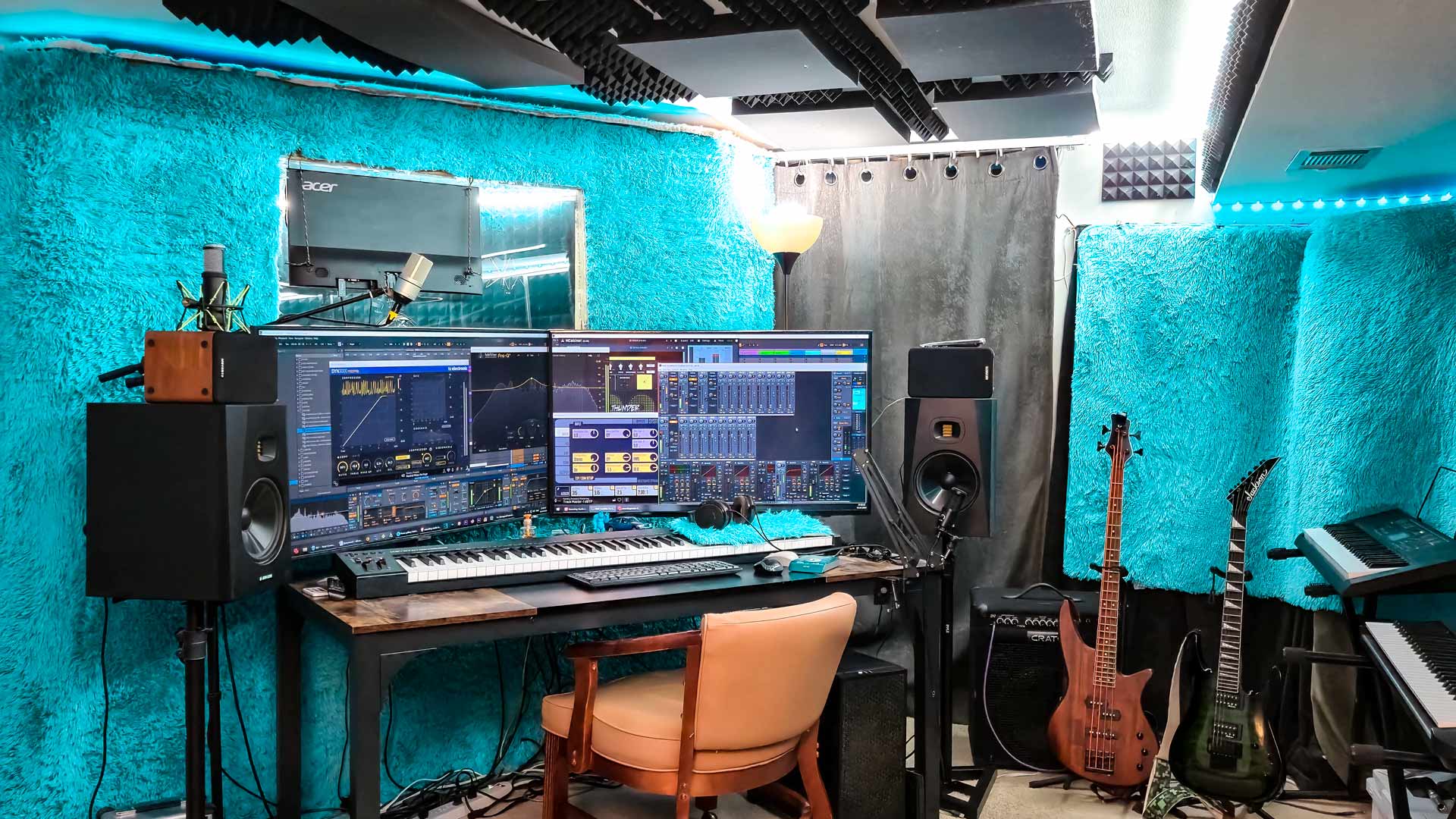
If you are wondering how to prepare for vocal recording, the short answer is simple: know your song, protect your voice, organize your files, and arrive with a clear plan. Good preparation does not just make the session feel easier. It usually leads to better takes, fewer wasted hours, and a stronger final result.
Many artists think the studio is where the real work begins. In practice, the studio reveals how much work was already done before the microphone was turned on. A prepared singer tends to sound more confident, settle into the instrumental faster, and need fewer repeated takes. An unprepared singer often spends the first hour warming up, rewriting parts, testing keys, or trying to remember phrasing that should have been decided earlier.
At Ronter Sound Philadelphia, that difference matters because the workflow is time-based and transparent. Our standard studio rate with engineer is $60 per hour, and a first session for new clients is $30 per hour with the same full-quality process. That means preparation affects not only performance quality, but also the total session cost. You can see the full rate structure on our price page, explore our services, or go directly to booking when you are ready to schedule.
For a prepared vocalist recording one finished song over a ready instrumental, a session can sometimes fit into 1 to 2 hours. If the artist is still learning the melody, changing words, recording many layers, or needing frequent breaks, the same song may take 3 hours or more. That is why people asking how to prepare for vocal recording are often really asking two questions at once: how to sound better, and how to use studio time more efficiently.
Preparation is not perfection. You do not need a flawless voice memo or a final-release-level arrangement before coming in. But you do need decisions. The biggest sources of wasted studio time are usually unfinished lyrics, uncertain rhythm placement, unclear harmonies, and bringing the wrong version of the beat. The more settled those things are, the more the session can focus on performance rather than troubleshooting.
If your goal is straightforward voice, vocal, or speech recording, preparation means arriving ready to perform clearly on mic. If your project is a full song, preparation also includes understanding the structure, emotional delivery, punch-ins, ad-libs, doubles, and whether any corrective work will be needed later through editing and audio processing.
Since studio work at Ronter Sound Philadelphia is billed by time, preparation directly shapes the budget. There are no hidden package layers and no separate surprise charges for switching between tasks during the session. You are paying for real work in real time. That makes the logic clear.
Preparation level. The better rehearsed the vocal, the fewer unnecessary takes and corrections.
Session complexity. A single lead vocal is faster than a track with doubles, stacks, harmonies, and ad-libs.
Material quality. A properly exported beat and clean lyric sheet save time immediately.
Performance consistency. Strong breath control, stable pitch, and clear timing reduce the need for heavy repair work.
Post-production needs. If you already know the project will need tuning, mixing, or production support, it helps to plan for that from the beginning rather than treat it as an afterthought.
You know the song, the key works, the lyrics are final, and the beat is ready. In this case, recording may move quickly. A session like this can be ideal for artists coming in to track efficiently and then decide later whether they want deeper finishing through mixing, mastering, and production.
You have a strong concept, but some lines are still changing and the delivery is not fully memorized. This is common, but it usually extends the session. Sometimes the best use of time is to track the strongest sections first and leave detail work for another visit.
You want recording, arrangement decisions, editing, vocal correction, and release-ready finishing. In that case, the best preparation is not only vocal. It is project preparation. Bring references, explain your target sound, and be clear about priorities. Artists working on songs, tracks, or multi-part arrangements often benefit from our broader song and instrument recording workflow or even the wider support listed on the performers and artists recording page.
Have the instrumental or session files exported correctly.
Keep lyrics in a clean, readable format on your phone or paper.
Warm up lightly, but do not tire your voice before the session.
Drink water and avoid anything that makes your throat feel dry or irritated.
Know which lines need doubles, harmonies, or ad-libs.
Decide whether the session is only for recording or part of a larger production plan.
Ronter Sound is located at 1824 Tomlinson Rd in Northeast Philadelphia. We work with vocalists, musicians, performers, and content creators from the surrounding area as well as nearby parts of the city and suburbs. If you want to confirm directions, ask about studio access, or see the best way to get in touch before your session, visit our contacts page.
The most common mistake is assuming the studio will fix a performance that has not been prepared. Good engineering can help, but it works best when there is already something solid to shape. Another mistake is underestimating how long vocals take when multiple layers are involved. People often think only about the lead, then forget doubles, harmonies, ad-libs, comping, cleanup, and tuning.
A final mistake is arriving without a clear goal. If you know exactly what you need, the session becomes easier to manage. If you are unsure, that is fine too, but it helps to say so in advance. That way the session can be structured around exploration instead of pretending everything is already settled. You can listen to examples of finished work on the demo page to get a sense of outcomes and discuss what direction fits your project.
Start with the basics: rehearse the song, bring final lyrics, know your beat, and arrive rested. You do not need to be advanced, but you should be familiar with what you plan to record.
Yes. Because studio time is billed hourly, stronger preparation usually means fewer repeated takes and more efficient progress.
Yes, but keep it moderate. A light warm-up is useful. Over-singing before the session can work against you.
Sometimes, yes. It depends on how much recording is needed and how finished the material already is. Some projects benefit from splitting recording and finishing into separate sessions.
You can schedule directly through our booking page or reach out through contacts if you want to discuss the project first.
If you already know how to prepare for vocal recording and want to put that preparation to use, Ronter Sound Philadelphia offers a clear hourly workflow, direct communication, and a comfortable studio environment for focused sessions.