
Ronter Sound Philadelphia
Mistakes When Recording Vocals: What Ruins a Good Take and How to Fix It
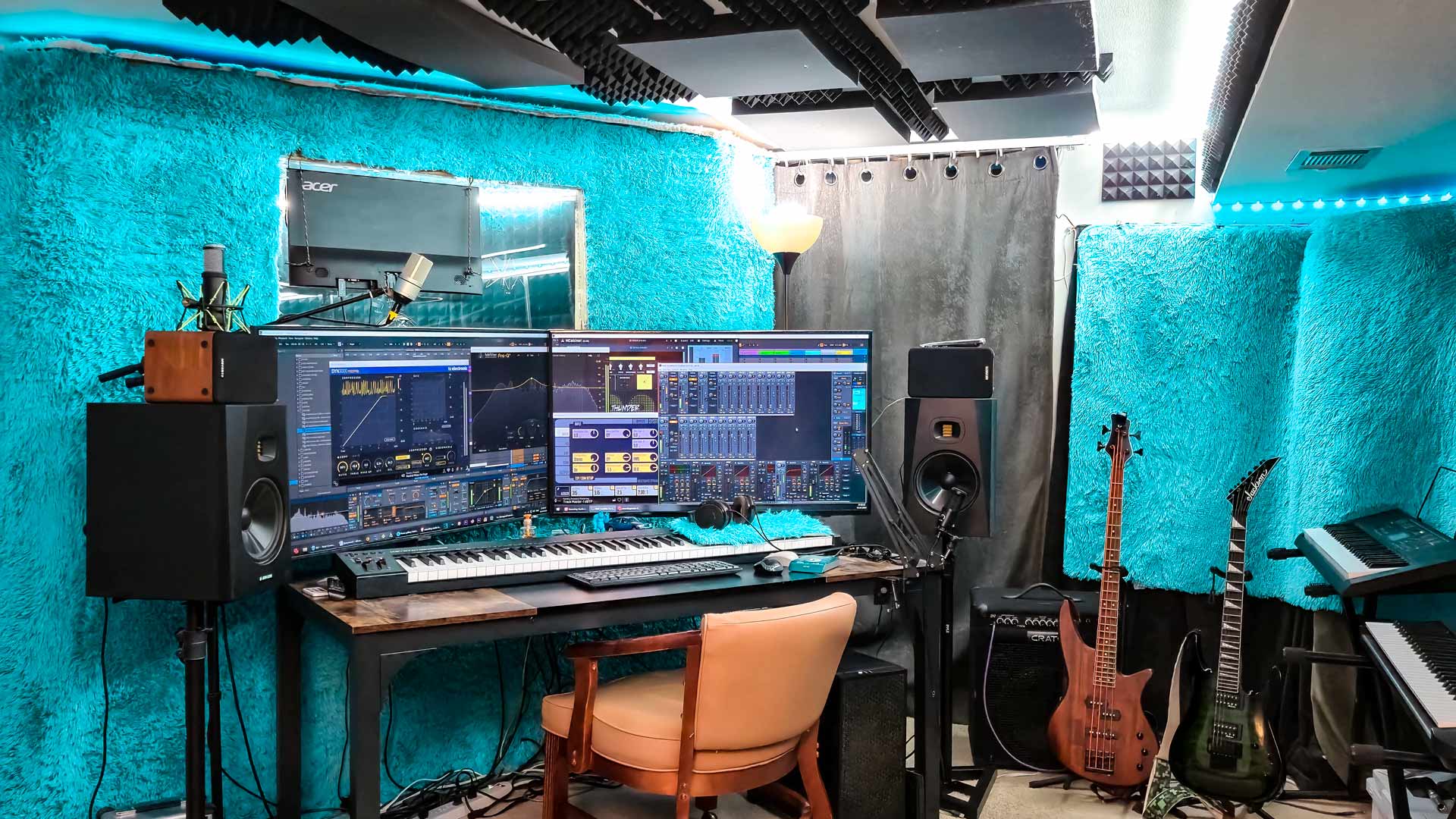
A lot of people assume vocal problems start in mixing. In reality, most of them begin much earlier. The most common mistakes when recording vocals happen before the file ever reaches editing, tuning, or mastering.
If a take sounds thin, harsh, unstable, noisy, or strangely flat, the issue is often performance setup, mic technique, room sound, or session pacing. This guide explains what usually goes wrong, what it costs in time and quality, and how singers, rappers, voice actors, and content creators can avoid wasted sessions. If you are planning a session in Philadelphia, it also helps explain when working in a proper voice, vocal, and speech recording environment makes the biggest difference.
Quick Answer
The biggest mistakes when recording vocals are usually simple: standing too close or too far from the mic, recording in a reflective room, pushing too hard too early, skipping headphone balance, doing too few takes, and expecting software to rescue a weak raw recording.
In practical terms, those mistakes often lead to extra studio time, more editing, more tuning, and less natural-sounding results. A cleaner first take is almost always faster and more affordable than fixing avoidable issues later through editing and audio processing.
Why Vocal Recordings Go Wrong So Easily
The voice is not a fixed instrument. It changes from minute to minute based on hydration, breathing, mood, pitch range, fatigue, and confidence. That is why mistakes when recording vocals are so common even for talented performers. A singer can rehearse a song perfectly at home, then struggle in front of a microphone because the headphones feel wrong, the room sounds unfamiliar, or the first few takes are rushed.
A good vocal session is really a chain of decisions. The room affects reflections. The microphone position affects tone. The headphone mix affects pitch and timing. The engineer affects communication and pacing. The performer affects delivery and consistency. When one part of that chain is off, the final result can feel smaller than expected even if the song itself is strong. That is one reason artists often compare a rough home take against a more controlled session in a professional recording environment for songs, tracks, and instruments.
The Most Common Vocal Recording Mistakes
1. Recording in the wrong room
A bright kitchen, bedroom corner, or untreated office may sound quiet to the ear but still add boxiness, flutter echo, and harsh reflections. That makes a vocal sound cheaper immediately. Many people blame the microphone when the real issue is the room.
2. Poor mic distance and angle
Too close and you get plosives, mud, and uneven low end. Too far and the vocal loses detail and presence. Singing directly into the capsule can also exaggerate harsh consonants. Small adjustments matter more than people expect.
3. Doing a full-power performance too early
Many vocalists oversing the first takes. That can create tension, pitch drift, and fatigue long before the best version of the song appears. A smart session usually builds toward stronger takes rather than forcing them immediately.
4. Ignoring the headphone mix
If the beat is too loud, the artist pushes. If the vocal in the headphones is too dry, the singer may feel exposed and underperform. If latency is distracting, timing suffers. This is one of the most underrated mistakes when recording vocals.
5. Relying on tuning as a safety net
Pitch correction can help, but it cannot fully replace emotional delivery, timing, diction, and tone. Heavy repair often sounds more obvious than artists expect. A better raw take usually needs less intervention from vocal tuning and stays more natural.
6. Recording too few takes
Some artists stop at the first acceptable take. The problem is that acceptable is not always memorable. Strong sessions often produce a comp from several takes, capturing accuracy in one line and emotion in another.
How These Mistakes Affect Time, Cost, and Final Quality
A weak vocal recording does not only sound worse. It also changes the workload that comes after. More breaths have to be cleaned. More words need timing fixes. More notes need pitch correction. More EQ is used to reduce harshness or room buildup. More compression is needed because the performance is inconsistent. Eventually, the vocal may still feel overworked.
That is why recording quality affects cost even when people only think about mixing. A clean, controlled take is faster to prepare for mixing, mastering, and production. A noisy or unstable take usually requires more session time and more detailed post-production. The difference is not just technical. It is creative. The more time spent repairing basics, the less time remains for tone, energy, arrangement, and polish.
Real-World Scenarios
A singer records a ballad at home. The room adds a hollow ring. Breaths are loud because the mic is too close. Pitch is mostly fine, but phrases feel tense. By the time the track reaches editing, the engineer spends extra time cutting noise, shaping resonances, and rebuilding consistency.
A rapper records multiple takes with the instrumental too loud in the headphones. The delivery becomes aggressive, consonants clip, and timing drifts behind the beat. The result is not unusable, but it takes more work to align and smooth out.
A content creator records voiceover for short-form video in a reflective room with no pop filter. The speech sounds sharp and inconsistent, which makes the final video feel less polished. In that case, a more controlled setup for voiceover for reels, clips, and social media content can save both time and revision effort.
What to Do Instead
Start with the room, then the microphone, then the headphone mix, then the performance. That order matters. If the environment is wrong, the take will fight you from the beginning. If the headphone balance is distracting, the artist may never settle in. If the session is rushed, even a good singer can sound uncertain.
It also helps to treat recording as its own craft rather than a quick step before mixing. A professional session usually includes setup choices, gain staging, coaching, take management, comp preparation, and practical judgment about when to move on and when to try one more pass. You can hear examples of more finished work on the demo page, or review the broader studio offer through the main services page.
Recording Vocals in Northeast Philadelphia
Ronter Sound is located at 1824 Tomlinson Rd in Northeast Philadelphia. That makes the studio a practical option for artists and clients from nearby areas who want a more controlled place to record vocals without relying on a noisy home setup.
The location is convenient for performers, musicians, voice talent, and local businesses from surrounding parts of Philadelphia and nearby communities who need clean recording, careful session support, and a straightforward workflow.
For directions, session questions, or direct contact details, visit the contacts page.
Deeper Advice for Better Vocal Sessions
One overlooked detail is session energy. A vocalist rarely performs best in the first five minutes. Good sessions leave space for warm-up, test takes, and adjustment. Another overlooked detail is diction. Words that sound clear in conversation may blur under compression or on a dense instrumental, especially in hooks and doubles. Finally, arrangement matters. Sometimes what sounds like a vocal problem is actually a crowded beat or an unhelpful key.
That is why artists often benefit from a workflow that connects recording with later production stages instead of treating each step in isolation. If a song needs cleaner takes, vocal prep, tuning, comping, or broader sound shaping, that path is easier when the studio already handles editing and audio processing, as well as mixing and production.
FAQ
What is the biggest mistake when recording vocals?
Usually it is not one dramatic error but a combination of small problems: bad room sound, poor mic position, and a distracting headphone mix. Together they make a vocal harder to fix later.
Can vocal tuning fix a bad recording?
It can improve pitch, but it cannot fully remove room problems, weak delivery, harsh plosives, or a strained performance. Better source material always leads to better results.
Why does my voice sound different in recordings?
Microphone angle, distance, room reflections, and headphone balance all shape how your voice is captured. The recording is revealing details you may not notice in normal speech.
Is it cheaper to fix vocals in mixing instead of recording them properly?
Usually no. Repair work takes time and may still sound less natural. A stronger recording often reduces editing time and improves the final mix.
Where can I check studio rates or book a session?
You can review current information on the price page and send a request through the booking page.
If you want a vocal to sound confident, clear, and mix-ready, the goal is not to fix everything later. The goal is to avoid the common mistakes when recording vocals before they become part of the track.