
Philadelphia Studio Guide
Recording Studio Rates in Philadelphia
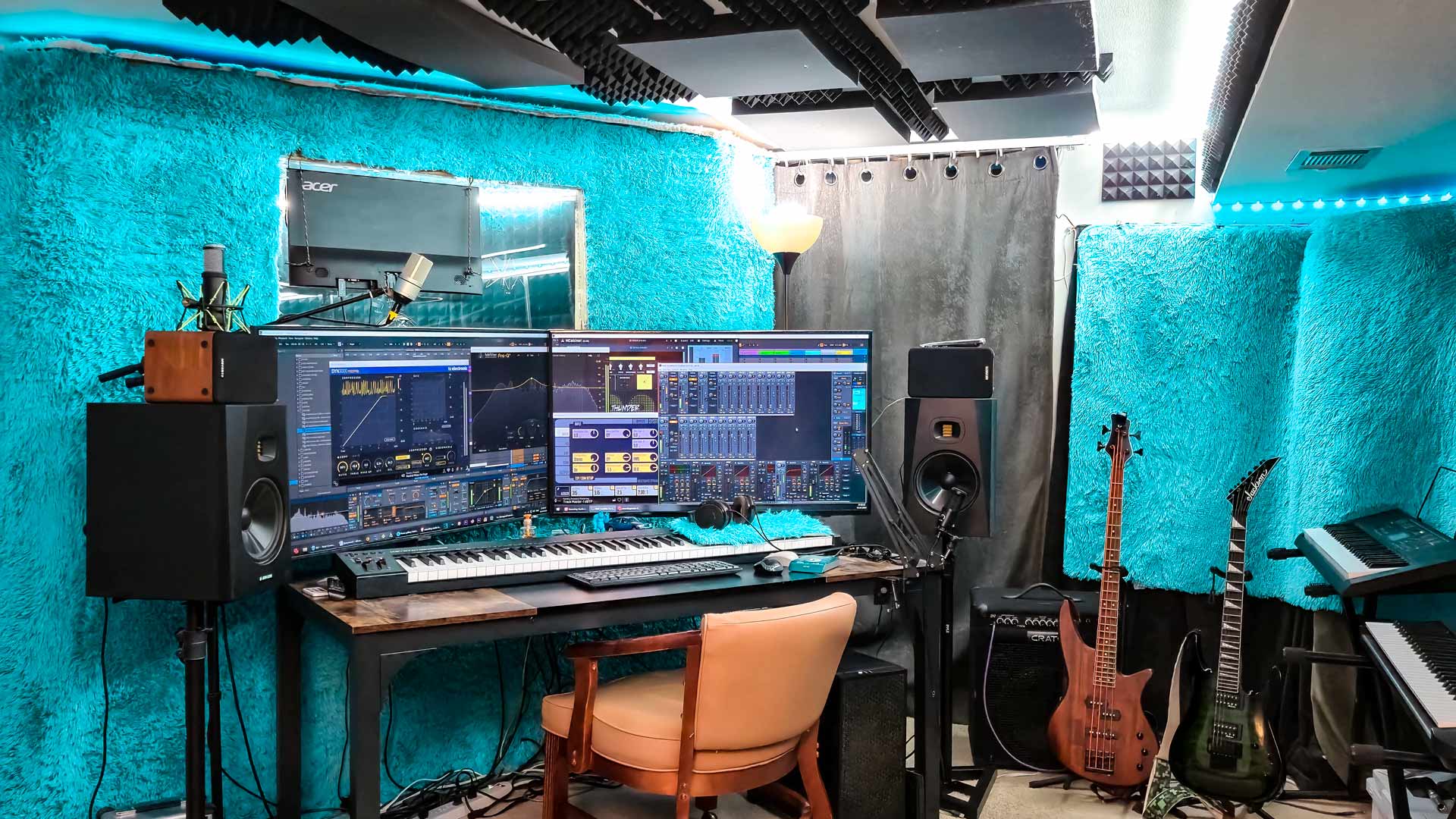
If you are comparing recording studio rates in Philadelphia, the hardest part is often not the number itself. It is understanding what is actually included, how time is counted, and why one session moves quickly while another takes much longer.
1. The Main Question Behind Studio Pricing
People usually ask about price because they want clarity before they commit. That is reasonable. But studio work is different from buying a fixed object. A recording session depends on preparation, performance level, session goals, and how much production support is needed once the microphone is already on.
Some artists come in with a rehearsed song, a finished instrumental, clear timing, and a strong idea of what they want. Others need more guidance, more takes, more arrangement discussion, more editing, or more detailed post-production. That is why recording studio pricing in Philadelphia can feel inconsistent from one place to another.
At Ronter Sound Philadelphia, the model is intentionally simple. Instead of turning every stage into a separate price category, the studio works on a clear hourly structure. You can see the basic overview on the price page, explore the full list of services on the services page, and go directly to booking when you are ready to schedule.
2. The Pricing Model in Plain Numbers
- Standard studio rate with engineer: $60 per hour
- First session for new clients: $30 per hour
- Minimum booking time: 1 hour
- Each started hour counts as the next full hour
- After the first five hours of the same continuous session, the remaining hours are charged at 50% off
3. How the Logic Works
The advantage of an hourly model is that it stays understandable. You are not trying to decode a bundle where recording is one price, editing is another, and mixing is quoted separately later. At Ronter Sound, the same hourly system covers vocal recording, instrumental tracking, rehearsal before recording, arrangement work, editing, vocal tuning, and mixing, mastering, and production support.
This does not mean every project costs the same. It means the method of calculating time is consistent. If a session takes two hours, you pay for two hours. If it takes four, you pay for four. The final amount reflects real time spent on your material rather than a vague package promise.
That structure is especially useful for artists who need flexibility. A session may start with voice or vocal recording, shift into arranging, then move into comping, tuning, and cleanup. The rate stays easy to follow throughout the process.
4. What Usually Affects the Final Cost Most
Most of the time, the price is shaped by time, and time is shaped by preparation.
- How rehearsed the artist is before arriving
- How many takes are needed to get the right performance
- Whether the project includes doubles, harmonies, ad-libs, or layered vocals
- Whether timing correction or vocal cleanup is needed afterward
- Whether the material needs detailed editing or work on files recorded elsewhere
- Whether the session includes final polish such as mixing and mastering
5. Realistic Session Scenarios
A straightforward session is often the easiest way to understand studio rates. A prepared vocalist recording one song over a finished beat may only need two or three hours. At the standard rate, that usually places the session around $120 to $180. A new client at the first-session rate may spend much less for that same window of time.
A more involved project can expand naturally. For example, a track with lead vocals, doubles, harmonies, several correction passes, and additional mix decisions will take longer. The hourly model does not hide that. It simply shows it clearly.
The same is true outside traditional vocal sessions. Someone may need song or instrument recording, while another client may bring in outside material for editing, mixing, and audio processing. A business client may need commercial audio spots or voiceover for reels and short-form content. The goals differ, but the pricing method remains direct.
If you want to hear the kind of finished results that come out of this workflow, the demo page is the best reference point.
6. Why a First Session Discount Matters
New clients often hesitate because they are not only paying for time. They are also testing chemistry, workflow, communication, and comfort in a new room. That is why the first session at Ronter Sound Philadelphia is offered at $30 per hour. It is not a reduced version of the service. It is the same studio, the same engineer, and the same full-quality process, simply made easier to try.
For many artists, that makes the first decision less heavy and more practical.
7. Our Studio in Northeast Philadelphia
Ronter Sound Philadelphia is located at 1824 Tomlinson Rd, in Northeast Philadelphia, PA 19116.
The studio works with clients from Northeast Philadelphia and nearby areas, including musicians, vocalists, content creators, voice talent, and businesses looking for clear studio pricing without unnecessary complexity.
For directions, contact details, and the easiest way to reach the studio, visit the contacts page.
8. A Deeper Look at Value
Good studio value is not always about finding the lowest number. It is about how efficiently that time is used. An experienced engineer who keeps the session moving, gives clear direction, and avoids wasted steps can make an hourly rate feel much more reasonable than a cheaper-looking offer that drags on without structure.
That is also why hourly pricing can be fairer than fixed song pricing. A fixed quote often has to anticipate unknown complications. An hourly session stays tied to the actual work in front of you. It is transparent, direct, and easier for the client to follow in real time.
For artists who need broader support, Ronter Sound also works across performer recording, songwriting support, instrumental tracking, and production-related sessions. You can explore those paths through recording for musicians, performers, songwriters, artists, and voice talent.
9. Common Mistakes When Comparing Rates
- Looking only at the hourly number and not at what is included
- Assuming every project can be priced like a single-song package
- Underestimating how much preparation changes the final cost
- Ignoring rounding rules and minimum session time
- Not asking whether editing, tuning, and engineer time are already part of the workflow
10. FAQ
How much do recording studio rates in Philadelphia usually cost?
Rates vary by studio and by what is included. At Ronter Sound Philadelphia, the standard rate is $60 per hour, and a new client’s first session is $30 per hour.
Is the engineer included in the hourly rate?
Yes. Studio time includes working with the engineer, so the pricing stays simple and direct.
Do you charge separately for mixing, mastering, or editing?
No separate stage-based pricing is required inside the session model. Work is billed by time rather than by stacked service categories.
What is the minimum booking time?
The minimum booking is 1 hour.
How is studio time rounded?
Each started hour counts as the next full hour. For example, a session lasting 1 hour and 20 minutes is counted as 2 hours.
What is the best way to keep the final price lower?
Come prepared. Rehearsed parts, clear goals, and organized material usually reduce wasted takes and make studio time more efficient.
Clear Rates, Straightforward Workflow
If you have been comparing recording studio rates in Philadelphia and want a studio that keeps pricing easy to understand, Ronter Sound Philadelphia offers a direct hourly model, full engineer support, and a first session discount for new clients.
You can review the pricing page, explore the services, contact the studio through contacts, or go straight to booking.