
Ronter Sound Philadelphia
What Does a Sound Engineer Do?
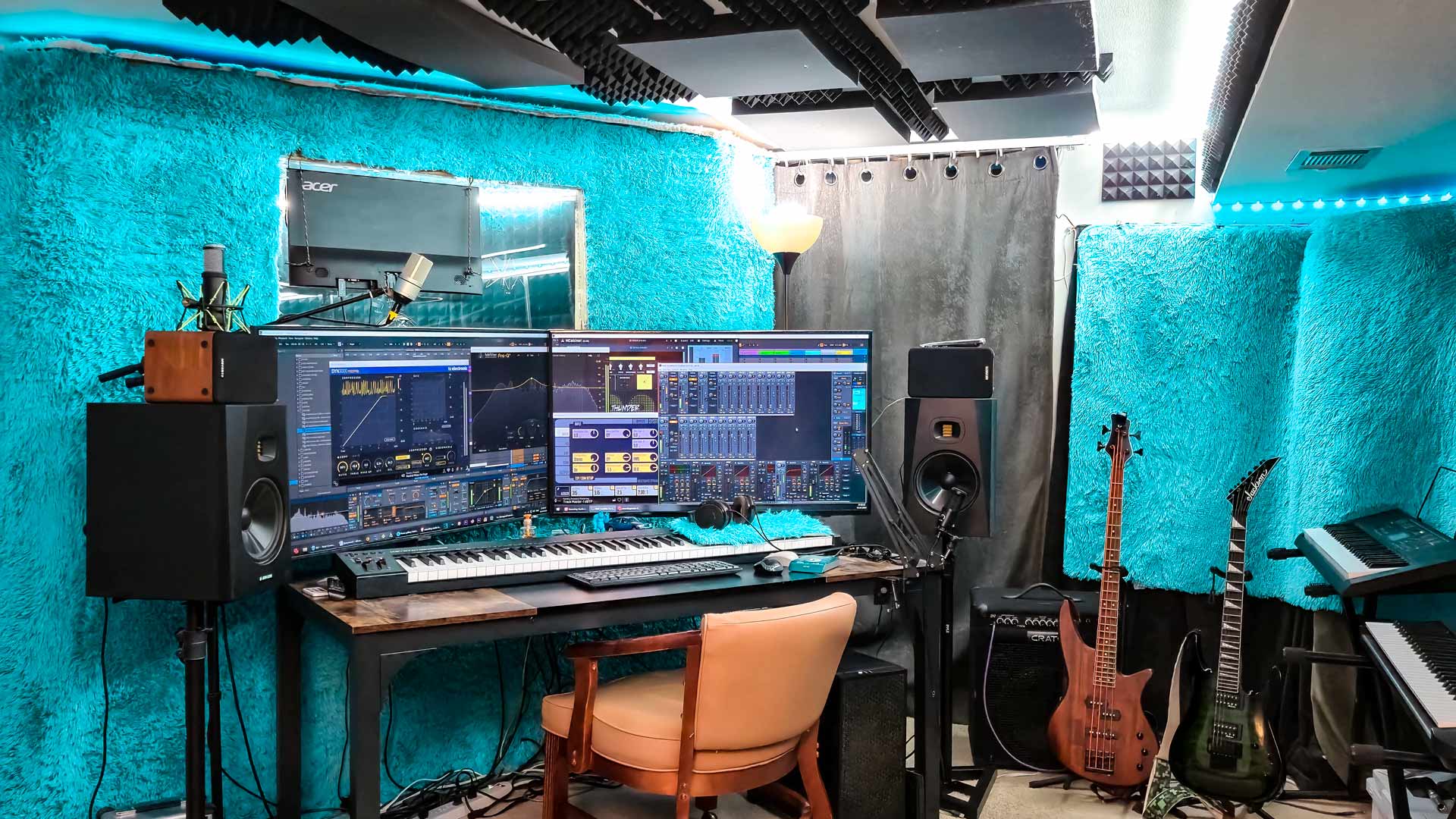
If you have ever wondered what does a sound engineer do, the short answer is this: a sound engineer turns raw audio into something clear, balanced, controlled, and ready to be heard. In a recording studio, that means far more than pressing record. It includes microphone setup, gain staging, room awareness, editing, vocal cleanup, mixing decisions, and technical problem-solving from the first take to the final export.
- A sound engineer captures audio properly at the source.
- They shape tone, remove distractions, and make performances easier to understand.
- Their work affects both sound quality and the time, budget, and workflow of a session.
1. The real job behind the title
People often use “sound engineer,” “audio engineer,” and “recording engineer” almost interchangeably. In practice, the exact role depends on the session. One engineer may handle voice and vocal recording, another may focus on editing and audio processing, and another may take a project through mixing, mastering, and production.
At the most basic level, a sound engineer manages how sound is captured, monitored, adjusted, and prepared for release or delivery. That can apply to songs, podcasts, voiceovers, ads, short-form video, audiobook narration, dubbing, or instrumental sessions. In a professional room, the engineer is listening for details most clients do not notice at first: plosives, harsh consonants, room reflections, clipping, inconsistent volume, headphone bleed, background hum, and timing issues between takes.
2. Quick answer: what does a sound engineer do in a session?
A sound engineer usually does five things:
- prepares the room, signal chain, and microphones;
- records clean takes with proper levels and monitoring;
- edits the material so it feels tight and consistent;
- mixes the audio for clarity, depth, and balance;
- exports files in the right format for release, video, or client delivery.
That is the simple version. The deeper answer is that the engineer creates the technical conditions that let the performance feel professional. A strong singer or speaker still benefits from careful mic choice, placement, timing guidance, and tone shaping. Good engineering does not replace talent, but it helps talent translate properly through speakers, headphones, phones, and video platforms.
3. How the workflow actually works
In a vocal session, the engineer usually starts by checking the room and choosing a signal path that fits the voice. A soft, airy singer may need a different microphone approach than a rapper with strong consonants or a narrator who needs clean intelligibility. During recording, the engineer watches input levels, listens for mouth noise, sibilance, pops, and distortion, and may guide the performer through retakes if a phrase is hard to understand.
After recording, editing begins. That may include selecting the best takes, tightening entrances and endings, removing clicks, reducing breaths where needed, smoothing transitions, and preparing a clean session for mixdown. If the project involves sung vocals, there may also be vocal tuning to correct pitch without flattening the emotion of the performance.
Then comes mixing. This is where level balance, EQ, compression, reverb, stereo placement, automation, and tonal control shape the final impression. A listener may not know why one track feels polished and another feels tiring, but the difference often comes from engineering choices made in the mix.
4. What affects cost and why engineering time matters
Even when the main keyword is about the job itself, many people asking what does a sound engineer do are also trying to understand why studio services cost what they cost. The answer is simple: engineering is partly time, partly skill, and partly complexity.
A short spoken-word session is usually more straightforward than a layered music project. One clean voice recorded in a controlled room may require basic setup, a few takes, and light editing. A song with multiple vocal layers, ad-libs, punch-ins, doubles, tuning, and mix revisions asks much more from the engineer. The same is true for live instruments, ensemble work, and material recorded elsewhere that arrives with noise, uneven levels, or room problems.
- Session length and preparation time
- Number of performers or tracks
- Amount of editing and cleanup needed
- Whether pitch correction or advanced processing is required
- Final deliverables for music, video, ads, or streaming platforms
If you want to see how studio time is structured locally, the best place to check is the price page. If you already know what kind of recording you need, the services page helps match the type of session to the kind of engineering involved.
5. Real studio scenarios
Scenario one: a client records a voiceover for social media clips. The engineer sets up a clear spoken-word chain, records several versions of each line, trims pauses, evens out loudness, and delivers files ready for video editors. That kind of work connects closely with voiceover for reels and social media content.
Scenario two: a songwriter records a new single. Here, the engineer may build the session, comp multiple takes, align doubles, clean breaths, tune certain notes, and prepare the track for a full mix. That overlaps with recording songs, tracks, and musical instruments.
Scenario three: an actor, narrator, or multilingual performer needs polished spoken material. The engineer focuses less on musical width and more on diction, consistency, and natural tone. For clients in performance-based sessions, the workflow is often closest to recording performers, artists, voice talent, and dubbing actors.
Scenario four: a business needs a commercial read or presentation audio. In that case, the engineer is responsible not only for clean sound, but also for intelligibility, pacing, and delivery that works in a brand context. That aligns with advertising audio spots and presentation materials.
6. Common misunderstandings
One common mistake is assuming the engineer can “fix everything later.” Editing and mixing can improve a lot, but they work best when the recording itself is strong. Another misunderstanding is that recording, editing, tuning, and mixing are all the same task. They are connected, but they require different decisions and different amounts of time.
Clients also sometimes underestimate how much the engineer influences comfort during the session. A good engineer keeps the process calm, notices problems early, and helps the performer stay focused. That matters just as much as software knowledge.
7. Recording support in Northeast Philadelphia
Ronter Sound is located at 1824 Tomlinson Rd in Northeast Philadelphia, making it convenient for artists, vocalists, content creators, and businesses from nearby areas as well.
Clients often come from surrounding parts of Philadelphia and nearby communities when they need recording, editing, mixing, vocal production, or voice content prepared in a professional studio environment.
For directions, contact options, and studio details, visit the contacts page.
8. How to choose the right engineering help
Start with the outcome, not the label. Do you need to record a clean vocal? Repair and polish existing files? Prepare a song for release? Record dialogue for content? Once that is clear, it becomes easier to book the right service and understand what part of the engineer’s job you are actually paying for.
Listening to examples can help too. The demo page is useful if you want a better feel for finished sound. If you are ready to plan time in the studio, the booking page is the most direct next step.
9. FAQ
Is a sound engineer the same as a music producer?
Not always. A producer may guide arrangement, performance, and creative direction. A sound engineer is usually focused on recording quality, technical setup, editing, and mix execution. Sometimes one person does both roles, but they are not identical.
Do sound engineers only work with music?
No. They also work with podcasts, voiceovers, advertising audio, dubbing, spoken content, presentation material, and social media dialogue.
What does a sound engineer do after recording ends?
They may edit takes, remove noise, tune vocals, process the sound, build the mix, and export final files in the right format for the project.
Why does one project cost more than another?
Cost depends on recording time, session complexity, track count, cleanup needs, editing depth, and whether the project includes tuning, mixing, or multiple deliverables.
Can I book a studio even if I am not sure which service I need?
Yes. A studio can usually help narrow the session type once you explain whether you are recording music, voice, dialogue, commercial audio, or existing files that need work.
10. Final takeaway
So, what does a sound engineer do? They make audio usable, professional, and believable. They handle the technical side of recording while protecting the quality of the performance. Whether the project is a single vocal take or a more involved production, good engineering is what helps sound translate with clarity and confidence.