
Ronter Sound Philadelphia
What Is Mixing and Mastering: How a Track Becomes Finished
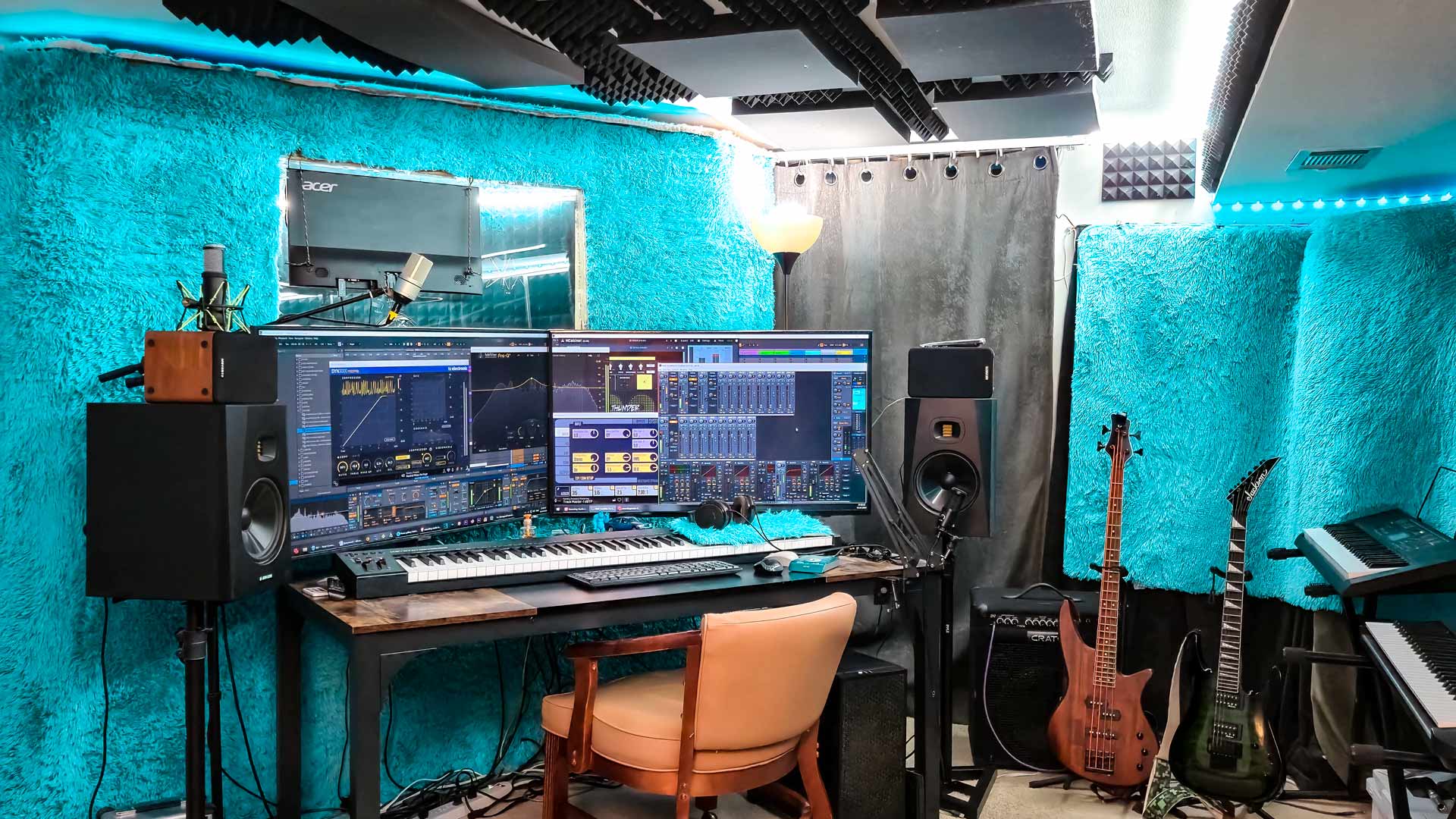
Most artists record a song and feel like something is missing. The performance is there, the idea works, but the track does not sound finished. That gap is exactly where mixing and mastering come in.
If you have ever asked what is mixing and mastering, the short answer is this: mixing shapes the balance and tone inside your track, while mastering prepares the final version for release. Together, they turn raw recordings into something that feels complete, controlled, and consistent across systems.
Quick Answer
Mixing is the process of balancing vocals, instruments, effects, and space inside a song. Mastering is the final stage where the entire track is refined, leveled, and prepared for streaming or distribution.
In real terms, mixing makes your track sound clear and cohesive, while mastering ensures it translates well everywhere. Both stages are essential parts of professional mixing, mastering, and production.
The Core Difference Between Mixing and Mastering
To understand what is mixing and mastering, it helps to think in layers. Mixing works inside the track. Mastering works on the track as a whole.
During mixing, individual elements are adjusted. Vocals are leveled against the instrumental. Frequencies are shaped so sounds do not compete. Effects like reverb and delay create depth. Timing is tightened. Noise is reduced. The goal is clarity and balance.
Mastering comes after that. Instead of working on separate tracks, the engineer works with the final stereo file. The focus shifts to loudness, tonal consistency, and playback translation. A mastered track should sound controlled whether played in headphones, a car, or a club system.
How the Process Actually Works
The workflow usually starts with recording. That might include vocals, instruments, or voice content captured in a controlled environment like professional vocal recording. Once the raw material is ready, mixing begins.
In mixing, the engineer organizes tracks, cleans unwanted noise, adjusts levels, and shapes tone using EQ and compression. Effects are added carefully to support the mood without overwhelming the performance. If needed, pitch and timing corrections are applied through tools like vocal tuning.
After that, mastering refines the entire mix. Subtle EQ adjustments correct tonal imbalance. Compression controls dynamics. Limiting increases perceived loudness without distortion. The result is a track that feels finished rather than raw.
What Affects the Cost of Mixing and Mastering
Pricing is not random. It depends on the condition of your recording and the complexity of your track. A clean vocal recorded in a proper environment requires less correction. A noisy or uneven recording needs more work during editing and audio processing.
Track density also matters. A simple vocal and instrumental takes less time than a session with many layers, harmonies, ad-libs, and effects. Genre plays a role as well. For example, modern pop and hip-hop often demand tighter vocal control and more detailed balancing than minimal acoustic recordings.
Ultimately, the cost reflects time, decision-making, and experience. You can review general pricing structure on the price page, but the exact scope depends on the project.
Real-World Scenarios
A singer records vocals at home. The performance is emotional, but the mix feels muddy. After proper mixing, the vocal sits clearly above the instrumental, and details become audible without increasing volume.
A rapper records multiple takes with inconsistent levels. Mixing stabilizes the delivery and adds clarity. Mastering then raises overall loudness so the track competes with other releases on streaming platforms.
A business records voice content for ads. Without proper mastering, the audio sounds uneven across devices. After mastering, it translates consistently across phones, speakers, and video platforms. This is especially important for advertising audio production.
Philadelphia Recording Studio
Ronter Sound is located at 1824 Tomlinson Rd in Northeast Philadelphia, serving artists and creators from nearby areas who need reliable recording, mixing, and mastering in one place.
Whether you are working on music, voiceover, or content, having all stages handled in a consistent environment reduces friction and improves results.
For directions or direct contact, visit the contacts page.
Deeper Insight: Why Both Stages Matter
Some artists try to skip one stage or combine both quickly. The result usually feels unfinished. Mixing without mastering can sound unbalanced across systems. Mastering without proper mixing cannot fix deeper structural issues inside the track.
The two processes are connected but not interchangeable. Mixing builds the internal structure. Mastering finalizes the external presentation. Together, they define how your music is actually perceived by listeners.
You can hear examples of finished work on the demo page or explore the full production workflow on the services page.
Common Mistakes and Practical Advice
- Expecting mastering to fix a weak mix
- Recording low-quality vocals and trying to repair them later
- Overusing effects instead of balancing levels
- Ignoring reference tracks during mixing
- Skipping proper monitoring and relying on headphones only
The best results come from a clear chain: solid recording, careful mixing, then controlled mastering. Each step builds on the previous one rather than compensating for it.
FAQ
What is mixing and mastering in simple terms?
Mixing balances all parts of a track. Mastering finalizes the overall sound so it works well on all playback systems.
Do I need both mixing and mastering?
Yes. Mixing shapes the track internally, while mastering ensures consistency and final polish.
Can I mix and master my own music?
It is possible, but experience and monitoring conditions play a big role. Many artists prefer external help for objectivity and consistency.
How long does mixing and mastering take?
It depends on track complexity and condition, but typically ranges from a few hours to several days including revisions.
How do I book a session?
You can send a request through the booking page.
Understanding what is mixing and mastering helps you make better decisions at every stage of production. A finished track is not just recorded. It is shaped, refined, and finalized step by step.