
Recording Studio Guide
What to Expect in a Recording Studio
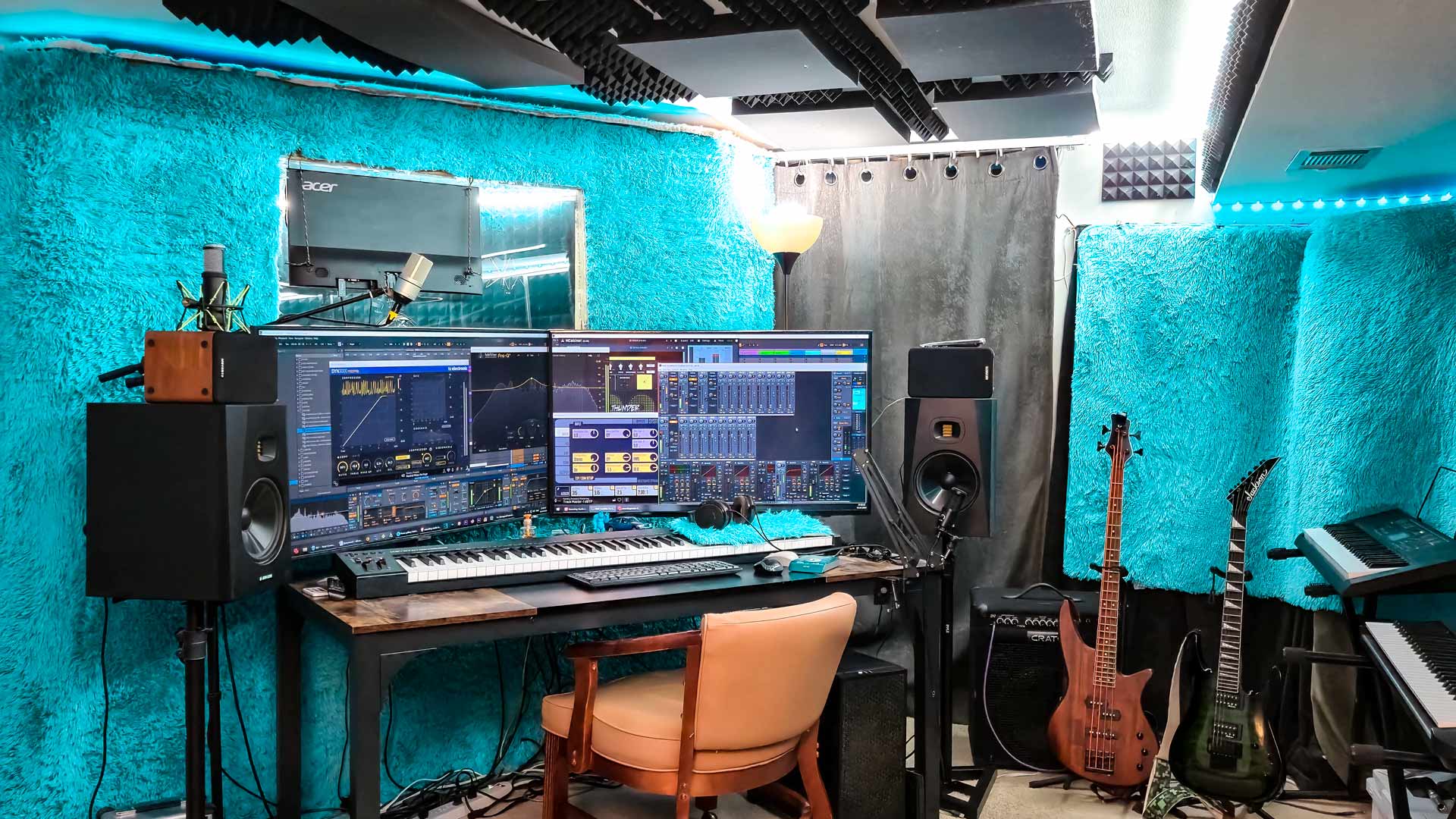
If you are wondering what to expect in a recording studio, the short answer is simple: you arrive, get comfortable, discuss the plan, test levels, record in stages, review what was captured, and move forward step by step with the engineer. A good session feels focused, calm, and clear rather than mysterious or chaotic.
- You do not need to know every technical term before you come in.
- The engineer guides the process and keeps the session moving.
- The final cost usually depends more on time and preparation than on studio drama or hidden extras.
At Ronter Sound Philadelphia, the workflow is intentionally straightforward. You can explore the full range of studio services, listen to examples on the demo page, review pricing, or go directly to booking when you are ready.
A Clear Model of How a Session Usually Works
For most people, the uncertainty is not about whether they can sing or rap or play. It is about not knowing how the room works, when they are supposed to perform, whether mistakes are normal, and what the engineer is doing between takes. That is exactly why it helps to understand the structure in advance.
A typical session starts with a quick conversation about the track, your goal, and the material you brought. Then the engineer sets up the microphone, headphones, playback, and recording chain. You may do a short soundcheck first. After that, you record in passes: lead takes, doubles, harmonies, ad-libs, spoken parts, or instrument layers depending on the project. Between takes, the engineer adjusts levels, markers, timing, and playback so the session stays efficient.
If your project is more specific, the path can change. For example, voice, vocal, and speech recording sessions often focus on microphone technique and clarity, while song and instrument recording may involve more layers and arrangement decisions.
Quick Cost Answer
Standard studio rate with engineer: $60 per hour.
First Session
New clients can book the first session at $30 per hour with the same full-quality workflow.
How It Is Charged
You pay for studio time used on the project, not for confusing package tiers or separate hidden stages.
What Actually Happens During the Session
People often imagine a recording studio as a place where they walk in and are expected to perform perfectly from the first second. In reality, a professional session is built around process. You listen, adjust, repeat, compare takes, and improve the result one step at a time.
At Ronter Sound, that can include recording, rehearsal, arrangement support, editing, vocal tuning, and mixing, mastering, and production inside one clear hourly model. If you bring already recorded material from somewhere else, the studio can also handle editing and processing of audio files.
That is why the best answer to what to expect in a recording studio is not one dramatic moment. It is a sequence: preparation, setup, recording, review, correction, and refinement.
What Most Strongly Affects Time and Cost
Preparation
The better rehearsed you are, the fewer takes you usually need. That saves time and usually leads to a stronger performance.
Project Complexity
A single vocal over a ready instrumental is faster than a layered production with doubles, harmonies, edits, tuning, and final mixing.
Experience Level
First-time performers often need more coaching, more restarts, and more playback checks. That is normal and built into the workflow.
Post-Production Depth
Recording is only one stage. Editing, mixing, mastering, and cleanup can take more time than the performance itself.
Realistic Session Scenarios
A prepared rapper or vocalist with a finished beat may be able to record the main performance in about one hour, especially if the goal is simply to capture clean takes and continue the rest later. A more typical song session often lands around two to four hours once retakes, doubles, listening, and revisions are included.
A voiceover session for ads, presentations, or short-form video can move faster if the script is ready and delivery is controlled. That is why businesses often use our commercial audio recording service or voiceover for video and social media content when they need a clean, direct workflow.
For musicians, the session can become more layered. Recording live instruments, rewriting arrangement ideas, or tracking multiple parts will usually extend the session beyond a simple vocal booking. That is also why it helps to review the pricing page before coming in: the structure is based on time, not guesswork.
Visit Ronter Sound in Northeast Philadelphia
Ronter Sound is located at 1824 Tomlinson Rd in Northeast Philadelphia. The studio works with clients from Northeast Philadelphia and nearby areas who want a clear recording process, direct communication, and an easy-to-find local space.
- Address: 1824 Tomlinson Rd, Northeast Philadelphia, PA 19116
- Convenient for Philadelphia clients and nearby areas
- Questions before visiting can be handled through the contacts page
If you want to see the studio atmosphere before coming in, you can listen to recorded work on the demo page and explore the interactive tools, including the mixer console simulator, the interactive online audio mixer, the EQ ear trainer, the recording studio cost calculator, and the ready-to-record test.
Common Mistakes and Practical Advice
The most common mistake is arriving underprepared and assuming the studio will somehow replace rehearsal. A studio improves capture, workflow, and sound quality, but it cannot instantly turn weak preparation into an efficient session. Know your lyrics, bring your instrumental or reference files organized, and think in advance about what you want to leave with: raw stems, a rough mix, a polished vocal, or a nearly finished master.
Another mistake is expecting everything to happen in one rushed hour when the material actually needs more development. Sometimes the most cost-effective move is not to hurry but to break the project into stages: record first, then come back for editing or final mix decisions. That often creates a better result and a calmer session.
If you are new, start simple. A first session is often best used to understand the room, build comfort with headphones and microphone technique, and record one piece of material well instead of trying to complete an entire catalog in one visit.
FAQ
What should I bring to a recording studio?
Bring your instrumental, lyrics, references, notes, and any files you want the engineer to use. The more organized your material is, the smoother the session usually goes.
How much recording can usually be done in one hour?
A prepared artist can sometimes capture a simple performance in one hour, but many sessions take longer once setup, multiple takes, review, and corrections are included.
Is the engineer included in the hourly rate?
Yes. At Ronter Sound Philadelphia, the hourly rate includes studio time together with the engineer and the full workflow needed during the session.
Do I need experience before booking?
No. Many clients book their first serious session without prior studio experience. The important part is arriving prepared and ready to work through the process step by step.
What if I only need mixing or editing?
That is completely normal. You can book work specifically for editing and audio processing or for mixing and mastering without building the entire project from zero in the same session.
Ready to See How the Studio Fits Your Project?
If you wanted a practical answer to what to expect in a recording studio, the main point is this: the process is clearer than most people think. You come in with material, goals, and time. The session turns that into recorded results through a direct, guided workflow.
You can start by reviewing the services, checking the hourly studio pricing, contacting the studio through contacts, or going straight to book a session.