Inside a Recording Studio Session
Vocal recording is not “stand in front of the microphone and sing once.” That is a fantasy from people who have never really worked in a studio. Real vocal recording is the stage where we collect the raw human material: the voice, the takes, the emotion, the mistakes, the better attempts, the accidental magic, and the parts that will later become the song.
At Ronter Sound Recording Studio Philadelphia, this article is only about the recording stage itself. Not tuning. Not comping. Not timing alignment. Not mixing. Not polishing. Only the moment when the vocalist comes into the studio and we record the voice properly enough to have something serious to work with later.
The Recording Stage
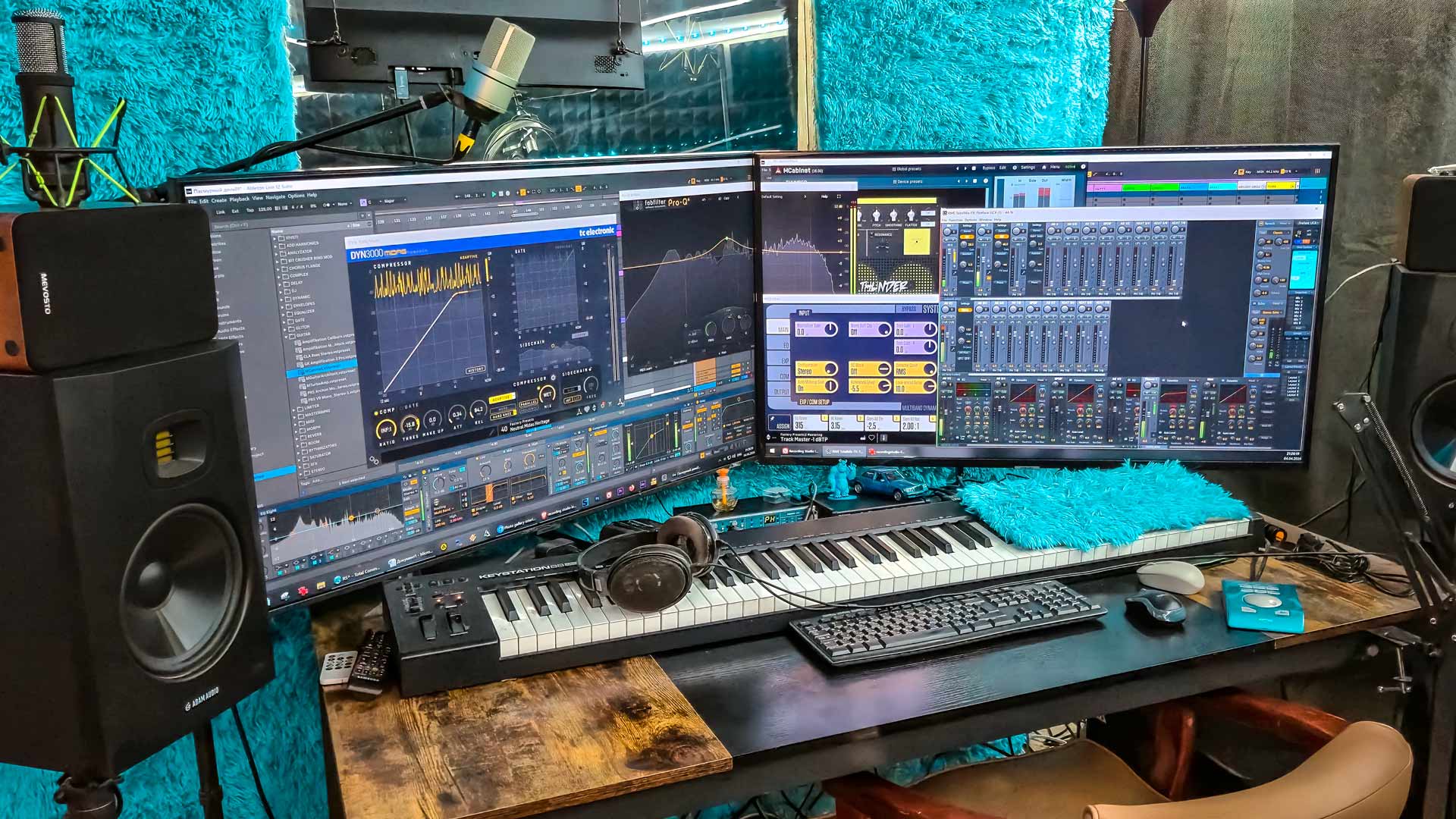
The first stage of vocal recording is not magic. It is not the famous microphone saving the singer. It is not some warm tube device suddenly making a person an artist. The first stage is much more honest than that.
We need to record usable vocal material.
That sounds simple, but it is not simple at all. A vocal take is not just sound. It is confidence, fear, breathing, rhythm, words, memory, emotion, body tension, microphone distance, headphone balance, and the strange psychological fact that many people sing differently the moment they understand they are being recorded.
At home, people often sing for fun. In the studio, they suddenly sing for result. And the result is much less forgiving.
Before the First Take
When a vocalist comes in, I do not want to throw them into the booth like a soldier into battle. First we need to make the person comfortable enough to actually perform.
We check the beat or instrumental. We check the structure. We understand where the verse begins, where the hook begins, where the person enters, where they breathe, where they get lost, where they are confident, and where the song already starts looking at them with a mean face.
Then comes the headphone balance. This is not a small technical detail. This is the singer’s whole world while recording. If the beat is too loud, they push. If the voice is too loud, they get scared of themselves. If the voice is too quiet, they lose control. If everything feels uncomfortable, the singer starts fighting the headphones instead of singing the song.
So before we talk about “great performance,” we make sure the person can actually hear themselves and the music in a way that lets them work.
First Takes
The first takes show the truth very quickly.
Is the vocalist ready? Do they know the lyrics? Do they understand the structure? Are they singing the melody or guessing it? Are they reading from the phone so desperately that there is no room left for emotion? Are they performing the song, or just surviving it?
This is why “I will just come and sing” often does not work. Sometimes it works, of course. Sometimes a person opens their mouth and suddenly there is an artist in the room. Beautiful. I love those moments.
But often the first take simply tells us what the session really is. Maybe the song needs more confidence. Maybe the words need to be learned. Maybe the singer is shy. Maybe they are singing too politely. Maybe they are copying someone else instead of telling their own story. Maybe they are not bad at all — they just need ten minutes to stop being afraid of the microphone.
This is normal. The studio is not here to shame the artist. The studio is here to show what is happening and help get the best possible material from the person who came in today.
Psychology
Vocal recording is psychological work. Not in some fake motivational way. In a very practical way.
A person can have a voice, a song, a decent idea, and still freeze in the studio. The microphone does not attack them, but it feels like it does. The glass, the headphones, the silence before the take, the fact that somebody is listening from the control room — all of that can make the body smaller.
So part of my job during recording is to relax the vocalist without turning the session into kindergarten. A joke helps. A simple comment helps. A calm tone helps. A clear direction helps. The person must feel that nobody is laughing at them, nobody is waiting for them to fail, and nobody is pretending that bad takes are amazing just to be polite.
Friendly does not mean fake. Professional does not mean cold.
When the vocalist becomes comfortable, something important happens. They stop acting like a visitor in the studio and start working like an artist inside their own song.
Takes and Repetition
Sometimes one take is wonderful. It happens. But building a studio process around “maybe the first take will be perfect” is not professionalism. It is gambling.
We record takes because performance changes. The first take may have better emotion. The second may have better rhythm. The third may have clearer words. The fourth may finally have the right confidence. The fifth may suddenly contain one phrase that was not alive before.
This does not mean we record endlessly like maniacs until the singer hates music. It means we gather enough material so the song has a chance.
A vocalist has the right to be imperfect. Especially a beginner. But the studio has no right to be careless. If we hear that something can be performed better, we try again. Not because I enjoy torturing people with the red recording button. Because the song deserves better material.
Preparation
One of the most common problems is simple and painful: the vocalist does not know the song well enough.
They come to record, but instead of performing, they are reading. Not lightly checking the words — actually surviving line by line from the phone. And when the brain is busy trying to remember what comes next, the body cannot give full emotion.
This is not a moral crime. Nobody goes to jail for reading lyrics. But if you want a strong vocal recording, learn the words enough that your attention can move from “what is the next line?” to “how do I say this so somebody believes me?”
A song is not a school presentation. You are not reporting text to the microphone. You are telling something. Singing something. Living something. And if all your attention is trapped in the screen, the vocal will usually sound smaller than it could.
Delivery
At this stage, I care very much about the vocal delivery.
Notes matter. Rhythm matters. Words matter. But when we are recording the raw vocal material, the most precious thing is the part that cannot be manufactured later without becoming fake: intention.
Does the singer mean it? Is the phrase alive? Is the rapper telling the story like it belongs to him? Is the pop vocal intimate enough? Is the hook energetic enough? Is the sad line actually sad, or is the person just performing “sad voice” like a school theater exercise?
Some things can be corrected later. Some things cannot. Character is hard to fake. Confidence is hard to fake. A dead take with correct notes is still a dead take.
So during recording, I listen not only for correctness. I listen for life.
Direction
Repetition is useful only when something changes.
If the vocalist gives the same weak take again and again, we are not building material. We are printing copies of the same problem. Then we need to change something: energy, pronunciation, body position, distance, confidence, volume, attitude, tempo of work, emotional direction.
Sometimes I ask for more aggression. Sometimes less. Sometimes I ask the singer to stop trying to sound beautiful and simply say the line honestly. Sometimes I ask them to smile. Sometimes to stop smiling. Sometimes to stop singing like they are asking permission to exist.
The point is not to collect random takes. The point is to collect useful takes.
Artists
Beginners often worry that they will be the most difficult people to record. Not always.
A beginner may be inexperienced, but many beginners listen. They try. They are nervous, but they care. They want the next take to be better than the previous one. That is already a good working situation.
Experienced artists can be wonderful, of course. But sometimes experience creates laziness. A person knows the studio can help, so they stop giving the studio good material. They think: the engineer will fix it later.
Yes, technology can help later. Of course. But do not bring me weaker material just because you believe I can rescue it. Let us make the take better now, while the voice is still alive and the person is still in front of the microphone.
The better the recorded material, the better every next stage can be.
Important Separation
It is important to separate the stages.
During vocal recording, we are not yet building the final polished vocal. We are not yet choosing every best syllable. We are not yet correcting pitch. We are not yet aligning doubles. We are not yet creating the final commercial vocal sound.
We are recording the voice.
That means the goal is clear: get enough strong, usable, expressive vocal material so the next stages have something to work with.
If the material is bad, the next stages become rescue work. If the material is strong, the next stages become production.
The Result
A good vocal recording stage does not always end with a perfect vocal. That is not the point yet.
It ends with material: takes, phrases, moments, options, energy, clear enough words, believable delivery, and enough performance quality that the song can move forward.
Maybe there are mistakes. Of course there are mistakes. We are recording human beings, not exporting a robot from a factory. But the mistakes must not be the whole identity of the take. There must be something worth working with.
The studio recording stage is successful when I can listen and say: yes, now we have material. Now the song has a body. Now the next work makes sense.
That is how vocal recording actually works. First we capture the human performance. Then, only after that, the next stage begins.