Musician Psychology and Recording Confidence
Creative block is usually not laziness.
And not always lack of talent either.
Very often it is creative paralysis.
The moment when a musician still technically knows how to make music — but cannot move emotionally.
The person sits in front of the DAW, microphone, piano roll, guitar, project session, plugins, unfinished arrangement, and suddenly feels frozen.
Not empty.
Frozen.
At Ronter Sound Recording Studio Philadelphia, I see this often.
Especially with musicians who think too much.
This page connects with fear of recording vocals, why emotion matters more than perfect pitch, and vocal production, because creative block is rarely just “lack of inspiration.”
Usually it is:
Creative Paralysis
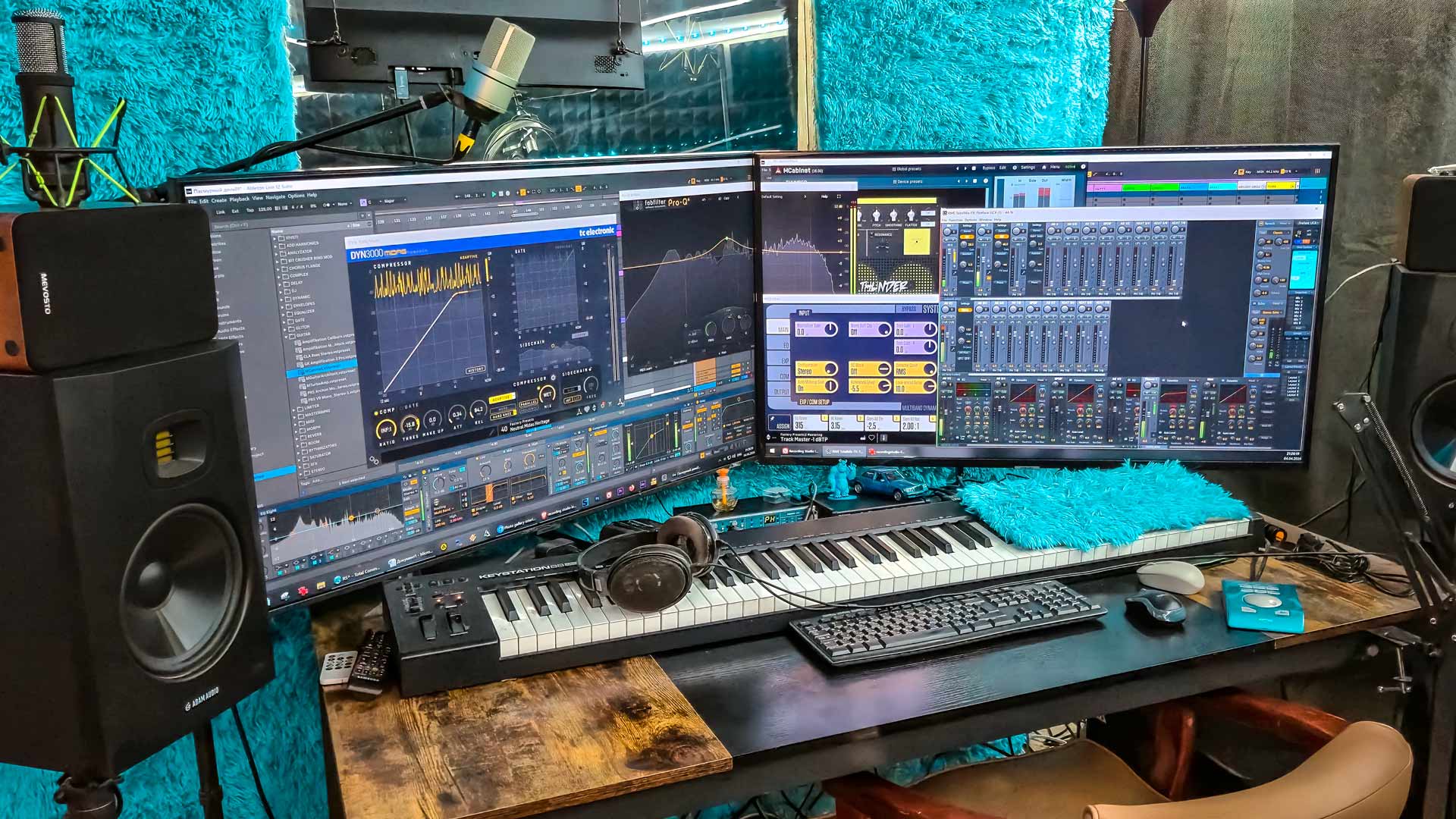
One of the biggest problems in modern music production is overanalysis.
The musician stops feeling music naturally and starts supervising every second of the process.
Every note becomes a problem. Every snare becomes a philosophical crisis. Every vocal take becomes surgery.
Eventually spontaneity dies.
Music starts sounding overcontrolled instead of alive.
The worst part is that modern DAWs make this behavior extremely easy.
Infinite undo. Infinite editing. Infinite plugins. Infinite corrections. Infinite tweaking.
Too much control often kills emotional momentum.
No Ideas
This is uncomfortable to admit, but true.
Sometimes people technically know how to make music but emotionally have nothing to say.
They can open plugins. Build drums. Tune vocals. Stack sounds. Add effects.
But the center is empty.
No emotional impulse. No internal pressure. No actual idea demanding expression.
In that state people often endlessly rearrange technical details hoping inspiration will magically appear from mechanics alone.
Usually it does not.
Endless Tweaking
Endless tweaking destroys huge amounts of modern music.
One word edited for four hours. One snare changed for two days. Endless EQ adjustments nobody will ever notice.
Meanwhile the emotional energy that created the track originally slowly evaporates.
Music often likes speed.
Not chaos.
But momentum.
Some of the strongest musical ideas appear instantly because the emotional impulse is still hot and alive.
Overprocessing can accidentally suffocate that impulse.
Infinite Choices
Modern music software gives musicians almost unlimited possibilities.
Millions of sounds. Millions of presets. Millions of plugins. Millions of combinations.
People think unlimited freedom automatically helps creativity.
Not always.
Sometimes limitations help creativity much more.
When choices are smaller, the brain stops drowning in possibilities and begins focusing on actual musical decisions.
Too many options often create analytical paralysis instead of inspiration.
Creative Exhaustion
Modern musicians constantly consume enormous amounts of information.
Social media. Endless reels. Endless songs. Endless opinions. Endless production tutorials. Endless comparison.
Eventually the nervous system becomes overloaded.
People start hearing music not emotionally but informationally.
Music becomes content.
Background noise.
Endless disposable stimulation.
Emotional sensitivity becomes exhausted.
And emotionally empty people usually struggle creating emotionally alive music.
Fear of Completion
While a track remains unfinished, it still exists as “potentially genius.”
The moment it becomes finished, reality arrives.
People can finally judge it.
That is psychologically dangerous for perfectionists.
So some people unconsciously keep the project permanently unfinished.
Endless revisions. Endless new versions. Endless microscopic changes.
Sometimes the real problem is not the track.
Sometimes the real problem is fear of final judgment.
Overthinking
Music is partly intellectual.
Of course.
Arrangement matters. Harmony matters. Timing matters. Production matters.
But music is also instinctive.
And instinct cannot fully survive under endless analytical pressure.
Some musicians become trapped in constant self-monitoring:
Eventually the emotional flow freezes completely.
The person no longer creates.
They supervise themselves creating.
Inspiration
Some musicians wait for mystical perfect inspiration before touching music.
Sometimes inspiration exists.
Absolutely.
Some ideas really arrive almost instantly and feel frighteningly complete.
But discipline still matters enormously.
Music cannot survive only on rare magical moments.
Sometimes you must simply sit down and work through resistance.
Not mechanically.
But honestly.
Content Culture
Huge amounts of modern music are produced like social media content factories.
Endless uploads. Endless beats. Endless songs. Endless algorithmic production.
Quantity replaces meaning.
Speed replaces thought.
Optimization replaces emotional necessity.
People begin making tracks because “content must continue,” not because they actually have something important to express.
Eventually creativity becomes industrial routine instead of artistic impulse.
Final Thought
Creative block does not automatically mean lack of talent.
Sometimes it means:
Modern music production gives incredible possibilities.
But sometimes the human brain was not designed for infinite control.
Music still needs:
Sometimes the best thing a musician can do is stop supervising every molecule of the process and finally allow the music to breathe again.
Musician Psychology and Recording Confidence
Recording music is not only about microphones, plugins, editing, tuning, or technical precision.
Fear changes breathing. Confidence changes tone. Perfectionism changes timing. Emotional pressure changes phrasing. Self-consciousness changes the body physically.
These articles explore the psychological and human side of recording music, singing, emotional performance, creative paralysis, self-perception, confidence, and why emotionally alive recordings affect listeners differently from technically sterile ones.
Main hub for recording psychology, emotional performance, vocal confidence, perfectionism, fear, self-perception, and the human side of music recording.
Why recorded voice sounds strange, why people dislike hearing themselves, and the psychology behind hearing your own voice through recordings and microphones.
Fear of singing into microphones, recording anxiety, nervousness in studio sessions, self-monitoring, and psychological pressure during vocal recording.
Creative paralysis, overthinking, perfectionism, songwriting block, emotional exhaustion, and why too much self-control can freeze musical ideas.
How confidence physically changes the voice, why nervousness changes tone, and how the nervous system directly affects vocal sound and emotional delivery.
Why emotional vocals often sound more powerful than technically perfect singing, why some takes feel alive, and why sterile perfection can emotionally kill music.