Musician Psychology and Recording Confidence
A microphone changes people.
Sometimes instantly.
A person can joke normally, laugh normally, speak freely, move naturally — and the second the microphone turns on, everything changes.
The shoulders rise. The jaw tightens. The breathing becomes shallow. The face freezes. The voice becomes smaller.
Suddenly the person starts behaving like somebody is pointing a gun at them.
At Ronter Sound Recording Studio Philadelphia, I see this constantly.
And no, this is not only beginners.
Even experienced artists sometimes become strange in front of microphones.
This page is connected with voice, vocal, and speech recording, vocal production, why singers hate their voice, and the first time recording studio guide, because microphone anxiety is not just nervousness.
It is a collision between:
Microphone Anxiety
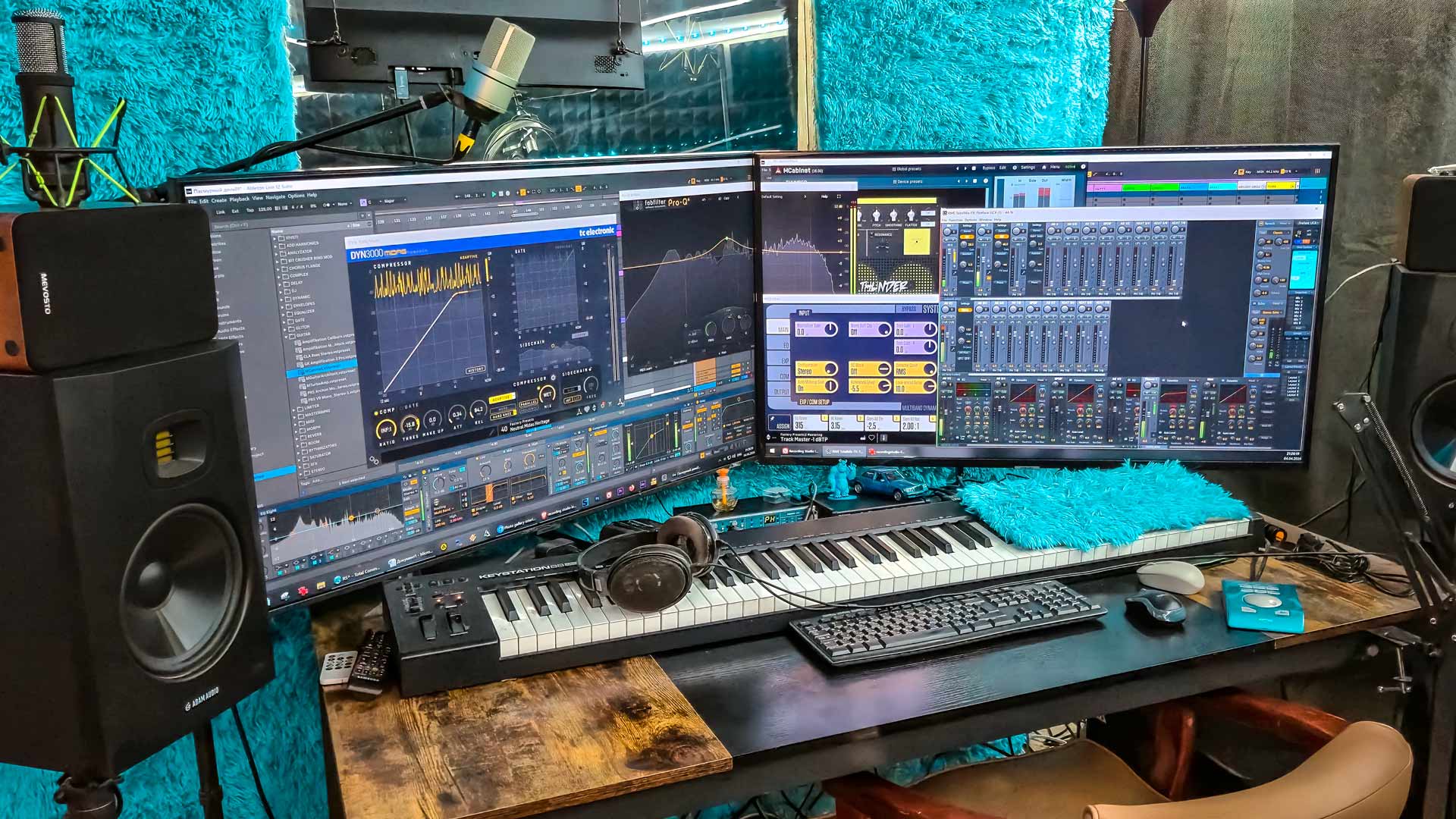
A microphone creates a very strange psychological effect.
People suddenly stop existing naturally and begin monitoring themselves from outside while they are still performing.
“Was that stupid?” “Was that ugly?” “Did I sound fake?” “Was that note bad?” “Did I pronounce that strangely?”
The person starts splitting into two people:
This is one of the biggest reasons people become stiff in studio recording situations.
The person no longer experiences the music.
They start supervising themselves.
And excessive self-control kills emotional honesty extremely fast.
Body and Voice
Stress is not abstract philosophy.
Stress changes the body physically.
And voice is deeply connected to body mechanics.
Nervousness changes breathing. Breathing changes support. Support changes resonance. Resonance changes tone.
Jaw tension changes articulation. Neck tension changes freedom. Chest tightness changes airflow.
Fear can make the voice:
Some people suddenly lose low frequencies in the voice.
Some lose breathing control.
Some begin swallowing words.
Some start sounding like a completely different person.
The microphone did not cause this.
Fear did.
Artificial Behavior
One of the strangest studio phenomena is what I call “microphone personality.”
Suddenly people stop speaking or singing naturally and begin acting like what they imagine a vocalist should sound like.
Somebody artificially lowers the voice.
Somebody suddenly whispers.
Somebody starts imitating radio hosts.
Somebody tries sounding “expensive.”
Somebody performs fake emotionality because they think recording requires dramatic behavior.
The result usually sounds less convincing than the person's ordinary natural speaking voice from ten minutes earlier.
The microphone often punishes artificiality immediately.
Fear of Judgment
Usually the real fear is not: “I cannot physically make sound.”
The real fear is: “What if this sounds cringe?”
Or: “What if people realize I am not as good as I imagined?”
Singing exposes personality extremely strongly.
Especially recording.
Because the performance stops disappearing into the air and becomes permanently documented.
The microphone feels almost like official memory.
Mistakes become preserved.
Weakness becomes replayable.
Many people are not ready psychologically for that level of honesty.
Perfectionism
Some people endlessly chase impossible perfection.
Ten takes. Twenty takes. Fifty takes.
Meanwhile the best emotional performance already happened an hour earlier.
But perfectionism does not allow the person to stop.
Eventually the vocals become:
This is the famous “one more take” syndrome.
Sometimes people are trying so hard to avoid mistakes that they accidentally remove all life from the performance itself.
Which is exactly why emotion often matters more than technical perfection.
Living Takes
This happens constantly in studio work.
The artist relaxes accidentally. Laughs. Gets distracted. Stops obsessing. Stops “doing vocals.”
Then suddenly: a real performance appears.
Alive. Convincing. Human. Emotional.
Because for thirty seconds fear loosened its grip.
Sometimes technically imperfect takes feel far more powerful than perfectly corrected sterile vocals.
Human beings emotionally react not only to precision.
They react to conviction and emotional truth.
Modern Culture
Modern vocal culture became deeply artificial.
TikTok voice. Fake intimacy. Fake whispering. Constant processing. Artificial emotionality. Hyperedited vocals.
Many people no longer know what real human singing even sounds like.
So when they hear an actual unprocessed voice, they panic.
Because reality does not sound like a permanently autotuned social media filter.
The problem is not always the real voice.
The problem is distorted expectations created by artificial modern media.
Studio Atmosphere
Some studios psychologically crush artists.
Arrogance. Mockery. Constant criticism. Pressure. Impatience. Condescending behavior.
Then people emotionally close themselves.
They stop experimenting. Stop risking. Stop expressing.
The performance becomes defensive instead of alive.
A good recording engineer is partly technician and partly psychologist.
Not because the engineer should become a therapist.
But because the emotional state of the artist directly changes the actual sound of the voice itself.
Relaxation
Most internet advice sounds naive.
“Believe in yourself.” “Visualize success.” “Take deep breaths.”
Fine. But fear usually does not disappear from slogans.
The real solution is much simpler:
The more people try sounding cool, legendary, dramatic, sexy, or expensive, the more artificial they often become.
Natural confidence sounds much stronger than performed confidence.
Artificial Performance
One of the biggest mistakes nervous artists make is trying too hard to sound like “a vocalist.”
Suddenly people stop behaving naturally and begin performing an imaginary version of themselves.
Somebody artificially lowers the voice trying to sound serious.
Somebody suddenly whispers because they think whispering sounds emotional.
Somebody starts overacting every line as if the song is the final scene of a dramatic movie.
Somebody tries sounding “expensive.”
Somebody tries sounding “radio.”
Somebody tries sounding “legendary.”
Usually the result sounds less convincing than the person's ordinary natural voice from ten minutes earlier.
The microphone catches artificiality extremely aggressively.
People think they are adding charisma.
In reality they are often adding tension and theatrical behavior.
Natural confidence almost always sounds stronger than performed confidence.
Self Monitoring
Many people destroy their own vocals through endless self-monitoring.
They try controlling every millisecond:
Eventually the performance stops breathing naturally.
Music requires emotional movement.
But a person cannot simultaneously:
Overcontrol affects everything:
Ironically, fear of mistakes usually damages vocals much more than the mistakes themselves.
Fear of Judgment
Many people unconsciously enter the studio as if they are entering an exam room.
They behave as if every mistake will immediately define their value forever.
But recording is not a courtroom.
Nobody is waiting for perfection.
Music is not surgery.
Music is emotional communication.
And emotionally alive performances almost always contain some degree of risk.
Without risk, vocals often become:
People are often terrified of sounding:
But emotionally memorable vocals almost always contain some degree of vulnerability.
Comfort
Comfort in recording does not appear from motivational slogans.
Usually comfort appears when the brain stops treating the microphone like danger.
That happens through repetition and familiarity.
The more a person records, the more natural recording starts feeling.
But preparation matters too.
People relax much faster when:
Real confidence usually sounds calm.
Fake confidence usually sounds tense.
The body hears the difference immediately.
Living Vocals
Some of the strongest takes happen accidentally.
The person gets distracted. Laughs. Stops trying to sound important. Stops trying to control every atom of the performance.
Then suddenly something real appears.
Not perfect.
But alive.
That is usually the moment when the vocalist finally stops performing “an artist” and starts existing honestly inside the song.
You can hear it immediately.
Living vocals have movement. Pressure. Breath. Instability. Human intention.
Artificial vocals usually sound overcontrolled and emotionally preplanned.
Modern culture often teaches artists to constantly “look like artists.”
But microphones usually capture something deeper than image.
They capture whether the person actually feels what they are singing.
Final Thought
Fear is not proof that you should stop.
Usually it is proof that something emotionally important is happening.
Music requires vulnerability.
Real vocals require risk.
The microphone amplifies truth extremely aggressively.
And yes, truth can feel brutal.
But eventually the microphone stops feeling like a threat and starts feeling like an instrument.
The only real path through recording anxiety is:
record, listen, improve, repeat.
Eventually the body relaxes. The voice opens. The performance becomes natural again.
And then the microphone finally captures not fear — but a person.
Musician Psychology and Recording Confidence
Recording music is not only about microphones, plugins, editing, tuning, or technical precision.
Fear changes breathing. Confidence changes tone. Perfectionism changes timing. Emotional pressure changes phrasing. Self-consciousness changes the body physically.
These articles explore the psychological and human side of recording music, singing, emotional performance, creative paralysis, self-perception, confidence, and why emotionally alive recordings affect listeners differently from technically sterile ones.
Main hub for recording psychology, emotional performance, vocal confidence, perfectionism, fear, self-perception, and the human side of music recording.
Why recorded voice sounds strange, why people dislike hearing themselves, and the psychology behind hearing your own voice through recordings and microphones.
Fear of singing into microphones, recording anxiety, nervousness in studio sessions, self-monitoring, and psychological pressure during vocal recording.
Creative paralysis, overthinking, perfectionism, songwriting block, emotional exhaustion, and why too much self-control can freeze musical ideas.
How confidence physically changes the voice, why nervousness changes tone, and how the nervous system directly affects vocal sound and emotional delivery.
Why emotional vocals often sound more powerful than technically perfect singing, why some takes feel alive, and why sterile perfection can emotionally kill music.