Ronter Sound Philadelphia
Vocal comping is the process of selecting and combining the strongest parts of multiple vocal takes into one complete, believable performance. It is not just editing — it is performance construction, taste, timing, emotion, and professional judgment.
At Ronter Sound, vocal comping is handled inside our recording studio in Philadelphia as part of a focused engineer-led workflow. The goal is simple: keep the listener inside the song, not distracted by rough edits, weak takes, or uneven delivery.
Best Takes Selection
In a perfect world, every singer or rapper would deliver the full verse, hook, or song in one complete take with the right emotion, timing, tone, and confidence. In real studio work, that does not always happen. A great vocal performance is often built from several takes, with the strongest moments selected and assembled into one convincing final version.
A good take is not chosen only because it is technically clean. The song decides what matters most. A dance track may need energy and forward motion. A lyrical song may need emotion and intimacy. Rap needs involvement in the text. Singing needs musicality, pitch direction, and believable phrasing. Comping is where those choices are made.
Studio Workflow
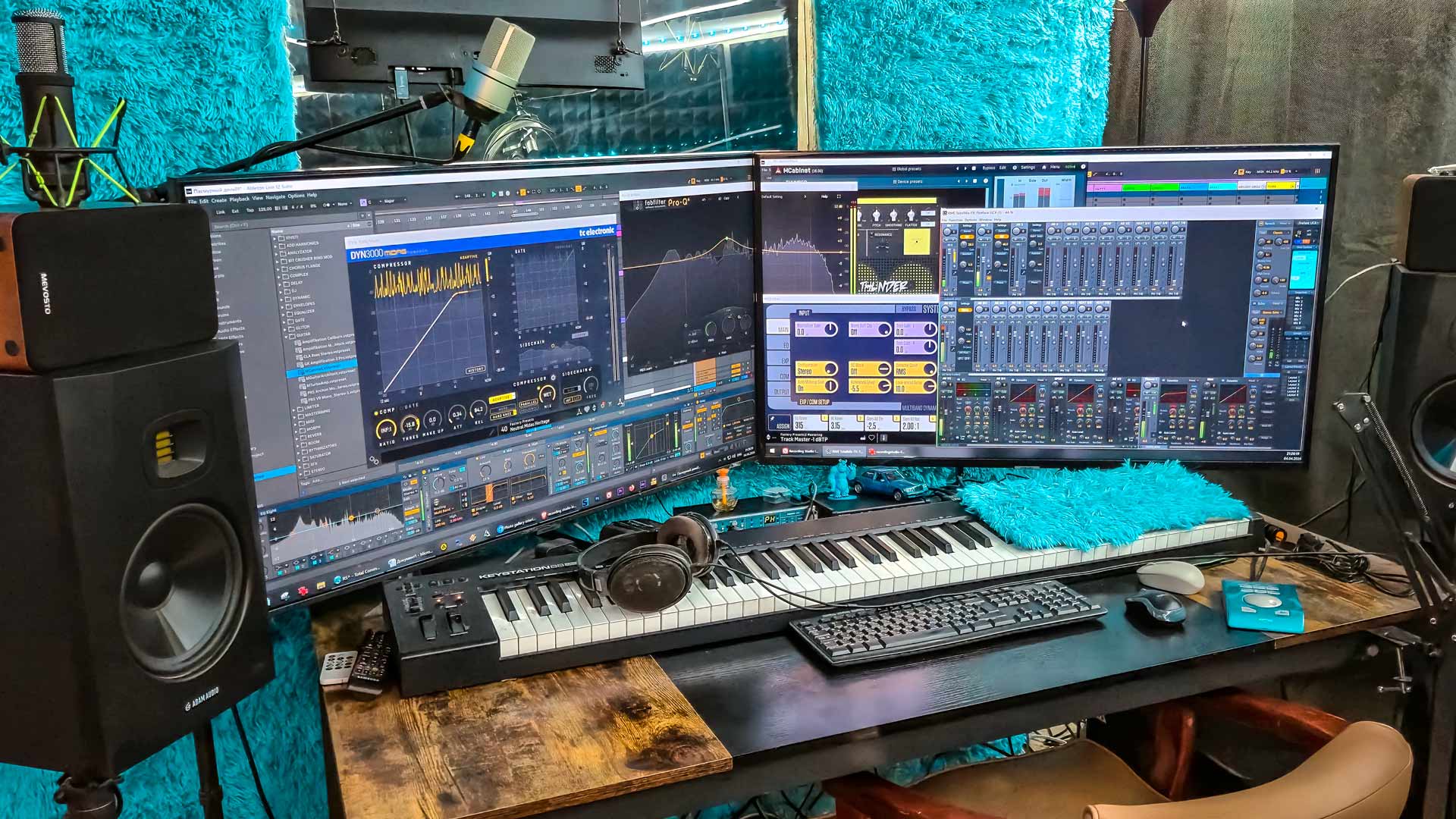
Vocal comping is a manual listening process. The waveform matters, the timing matters, the transitions matter, but the final decision is made by ear. A selected vocal part must feel like it belongs to the same performance, not like a patch from another take.
Raw Takes
Raw vocal takes often contain strong moments and weak moments at the same time. One line may have the right emotion but a weaker rhythm. Another may be clearer but less alive. One ending may work, while another phrase has better delivery. Vocal comping is the process of finding the best usable material and turning it into a coherent performance.
The artist has the right to be imperfect in the studio. The studio has the responsibility to be professional with whatever the artist brings in that moment. The work is not about blaming the performer for imperfect takes. It is about using experience, musical judgment, and editing skill to bring the song as close as possible to its strongest version.
Still, comping cannot replace performance. If a take is too weak, too uncertain, or technically damaged in a way that cannot be repaired cleanly, the right decision is often to record it again. A good studio session is not only editing after the fact — it is also knowing when to keep recording until the material is strong enough to work with.
Singing & Rap
The details change depending on the style, but the core idea is the same: the final vocal must serve the song. In singing, pitch, tone, breath, phrasing, and melodic continuity matter heavily because the vocal becomes part of the music itself. Even if pitch correction is possible later, the emotional shape of the performance must already be there.
In rap, the most important element is not only rhythm — it is involvement in the text. Rap should feel like the performer is speaking from personal experience, not simply reading words over a beat. Clarity, consonants, groove, conviction, and the way lines land against the instrumental all affect whether the listener believes the performance.
A comped vocal should not sound like several different takes stitched together. If the tone, distance, intensity, or word shape changes too much from one edit to the next, the listener may not know exactly what happened, but the ear will feel that something is wrong.
Breath & Continuity
Breath should not be treated as useless noise. A human voice does not exist in a vacuum. Breath can add intimacy, closeness, urgency, and emotional information. It can make a vocal feel near, personal, and alive.
But breath also needs control. Sometimes it must be adjusted, moved, lowered, cleaned, or replaced with a better breath from another take. Sometimes a breath is too harsh or distracting and should be removed. This is a careful part of vocal editing and comping, especially because vocal compression can make breath much more noticeable.
Good comping keeps the vocal human while removing distractions. The listener should follow the words, emotion, and musical line — not the edits.
Human Performance
A vocal can be too perfect. In an era where artificial perfection is everywhere, the human quality of a performance matters more, not less. Small imperfections can be valuable when they support emotion, identity, and believability. The difference is that imperfections should feel intentional and musical — not like mistakes, bad timing, or careless editing.
Bad comping is often worse than no comping at all. A raw take may still feel honest. A poorly assembled vocal can sound like the artist tried to be better than the performance allowed, but the edit exposed the weakness instead of hiding it.
The goal is not to impress the listener with editing. The goal is for the listener to stop noticing the editing entirely.
Inside the Session
A good vocal comp starts before editing. The first step is creating a comfortable recording environment. Headphone levels, instrumental balance, vocal monitoring, and the general feeling in the room all affect performance. Many artists need a few takes simply to relax, adjust to the sound, and stop feeling judged by the microphone.
During recording, the artist should feel free to try different approaches. Some takes may be bad. That is normal. The important thing is to explore, change delivery, shift emotion, and search for the version that reveals the song. Singing the same idea the same way over and over usually does not create progress.
After usable takes are captured, the comping process begins. The strongest performance moments are selected first. Then the vocal is prepared for the next stages: pitch correction when needed, timing alignment, detailed editing, and finally mixing.
Engineer Perspective
Ronter Sound is led by an engineer with a Russian and European musical background combined with experience working in the American market. That outside perspective can be valuable in the studio. It is not limited to one local habit, one trend, or one narrow way of hearing music.
For an artist, that can be useful. A strong outside ear can notice what feels generic, what feels emotionally true, what supports the song, and what distracts from it. Vocal comping is not only about selecting the cleanest take — it is about helping the artist sound more convincing, more intentional, and more professionally presented.
Final Result
A professionally comped vocal changes how the artist is perceived. The track feels more serious. The performance feels more complete. The listener does not stumble over rough spots, awkward edits, unclear words, weak phrasing, or mismatched takes.
For the artist, this matters beyond one song. A polished vocal becomes part of a professional portfolio. It changes how people hear the artist when discussing promotion, collaborations, live shows, releases, and future opportunities. As the Russian saying goes, people are often first judged by how they present themselves. In music, the vocal is a major part of that presentation.
FAQ
Book a Session
Vocal comping is performed as part of focused studio work. The session can include recording, take selection, editing, pitch correction preparation, and further vocal production depending on what the song needs.
Sessions are billed by studio time, so the work stays practical and honest: we record what is needed, select what works, and build the strongest version of the vocal without rushing the song or damaging the performance.