Recording Guide
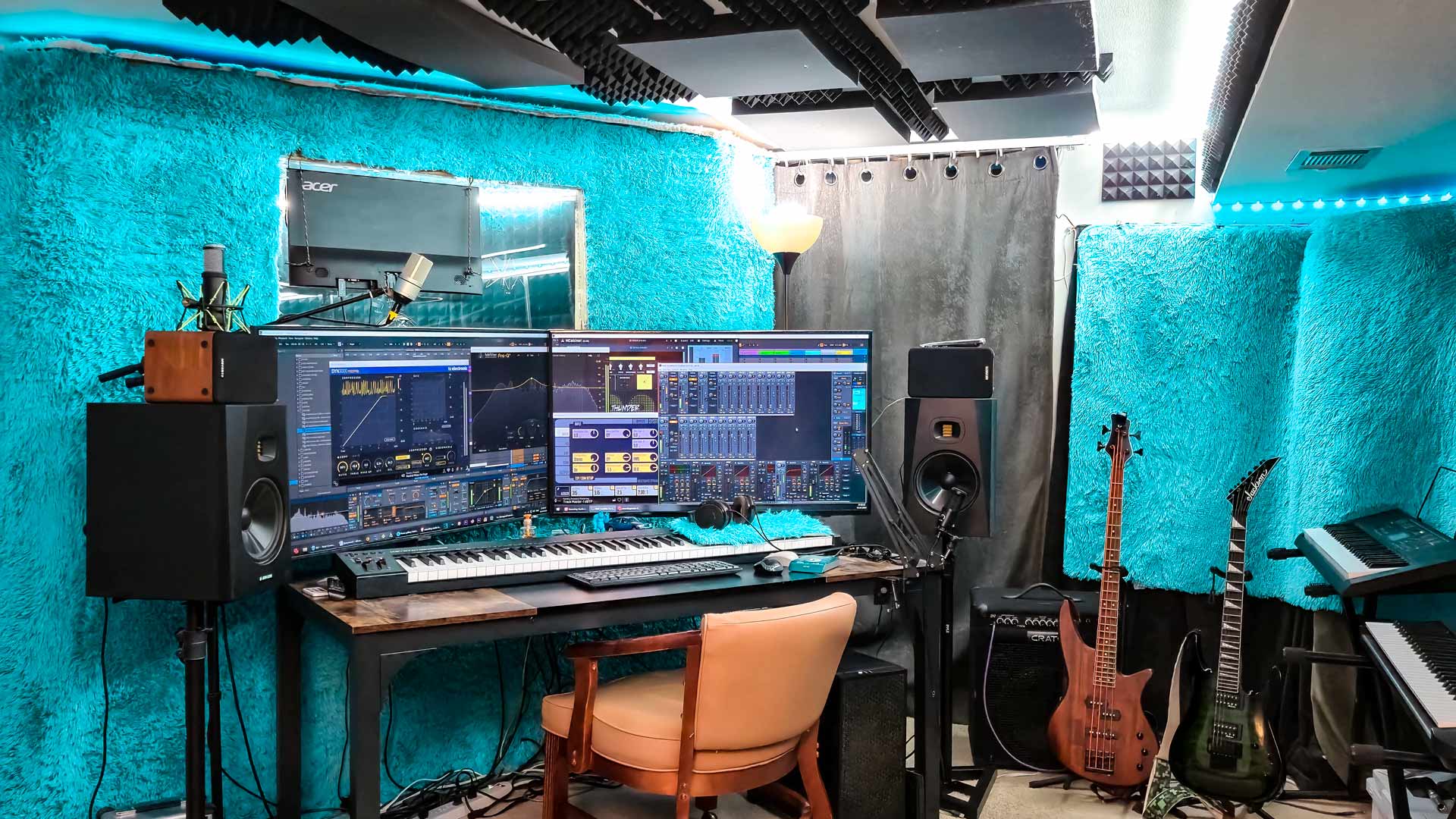
If you’ve ever wondered how to record vocals professionally, the answer is not just about having a microphone. It’s about environment, technique, and decisions made before you even press record.
The biggest misconception is that expensive equipment alone creates professional sound. In reality, poor acoustics and incorrect technique can ruin even high-end setups.
That’s why many artists choose professional vocal recording services instead of trying to fix problems later.
To record vocals professionally, you need:
Recording in an untreated room creates reflections that muddy your vocal. Professional studios are designed to eliminate this problem entirely.
Even basic recordings benefit from working in a controlled environment like a recording studio in Philadelphia.
Distance, angle, and consistency matter more than the microphone itself. Standing too close causes low-frequency buildup, while inconsistent positioning makes editing difficult.
Recording too loud leads to distortion. Too quiet introduces noise. Professional engineers set levels carefully to preserve dynamic range.
Professional vocals are rarely recorded in one perfect take. Instead, multiple takes are recorded and combined into one polished performance.
After recording, vocals go through:
Emotion, control, and delivery define the vocal more than any plugin.
Knowing how to capture a voice properly is a skill developed over time.
The arrangement and beat influence how vocals sit in the mix.
A simple vocal session might take 1–2 hours, while a full production with editing and mixing can take several days depending on complexity.
You can explore examples on the demo page to hear how different approaches affect results.
Working in a professional studio means everything is already optimized:
Ronter Sound is located at 1824 Tomlinson Rd in Northeast Philadelphia, serving nearby areas with full recording and production services. You can reach out via the contacts page.
Yes, but it requires acoustic treatment and proper setup. Without that, results are limited.
The recording environment and performance quality.
No, but proper technique and environment are essential.
Learning how to record vocals professionally is about understanding the entire process, not just the gear.