Vocal Recording Guide
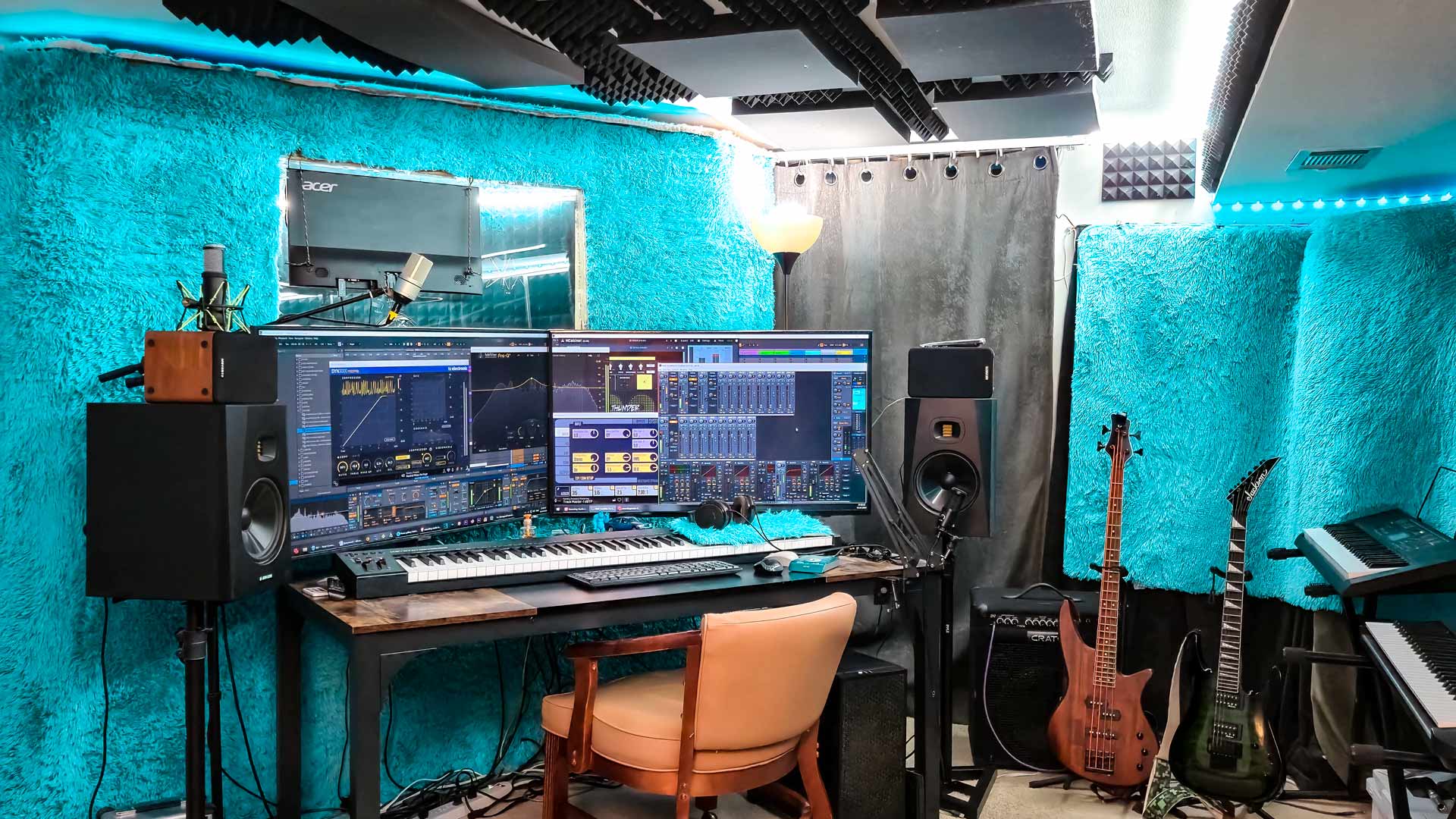
Professional vocals are not created in mixing — they are captured during recording.
Many artists assume that expensive microphones or plugins are the key to a professional sound. In reality, the result depends on performance, technique, and recording decisions made in the moment.
If you're planning a session, it's also useful to understand how long recording takes and how that affects workflow.
Professional vocals are clean, controlled, and consistent.
This comes from:
Not from plugins or post-processing.
A real vocal session doesn’t start with pressing record.
It starts with setup and adjustment.
Only after that does actual recording begin.
If you want to prepare properly, read how to prepare for vocal recording.
The most common mistake is expecting mixing to fix everything.
Mixing improves clarity — it does not fix performance.
That’s why understanding what mixing and mastering actually do is important before recording.
Small changes in mic distance can completely change the sound.
This is why experienced guidance during recording matters more than equipment.
Vocals are rarely recorded in one perfect take.
Instead, they are built from multiple takes:
The goal is not perfection — it’s consistency.
Recording at home introduces variables:
In a controlled space, these variables are removed.
See the difference here: home recording vs studio recording.
It comes down to three things:
Everything else builds on top of that.
If you’re planning to record, you can book a session once you're ready.
No. Technique, performance, and environment matter more than gear.
Usually multiple takes. Professional vocals are built from the best parts of several recordings.
No. Mixing improves clarity but cannot fix weak performance or poor recording technique.
Yes. A studio provides controlled acoustics, proper monitoring, and professional workflow.
Recording Studio Guides