Vocal Recording
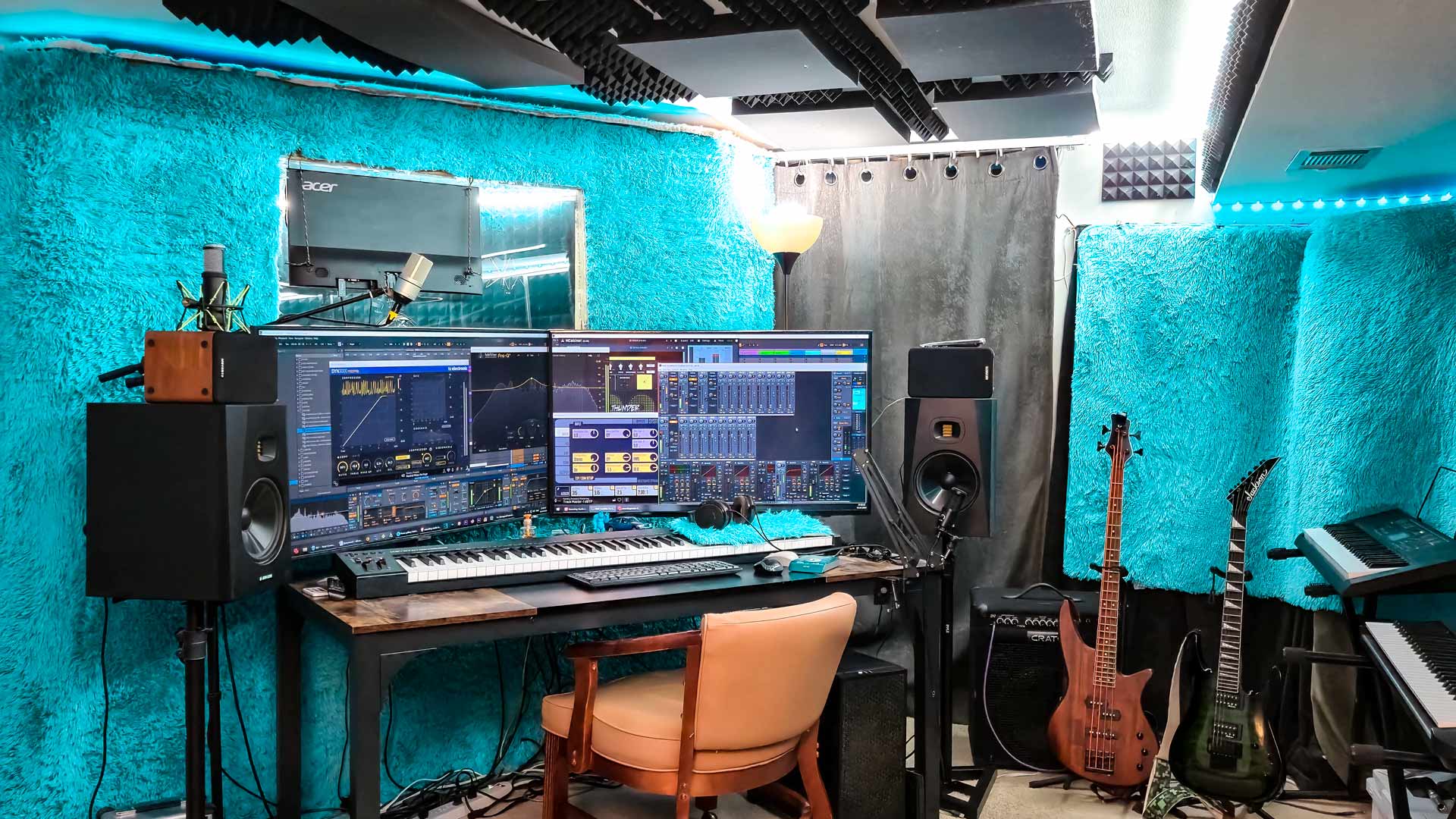
Most people prepare the wrong things before a recording session.
They think about lyrics.
They should be thinking about performance, timing, and how they will actually sound once recording starts.
A lot of recording problems do not start in the studio.
They start before the first take.
If you arrive unprepared, the session becomes longer, more expensive, and less consistent.
That is why preparation directly affects how long vocal recording takes.
Before recording, you should clearly know where verses begin, where hooks hit, and where the energy changes.
Not just the words.
The structure.
Recording rarely happens in one straight pass, so if you do not understand your own song flow, you lose time immediately.
Casual practice and studio recording are not the same thing.
In the studio, you hear yourself in headphones, every weakness becomes obvious, and pressure changes the way you deliver lines.
Practice with:
That makes the real session feel familiar.
This is one of the most common things people skip.
Then the first takes sound tight, flat, or controlled in the wrong way.
Even a short warm-up can improve tone, breath, and confidence.
If you skip it, you often spend studio time getting to the point you could have reached before recording even started.
Vocal recording is not only about staying in tune.
It is about matching the right energy to the track.
Too relaxed sounds flat.
Too forced sounds unnatural.
If you are unsure what strong delivery sounds like in a session, this helps: how to record vocals professionally.
A lot.
Many people expect to record one full take and move on.
In reality, good vocals are often built line by line, section by section, until the performance feels right.
Repetition is not failure.
It is the normal process.
The most common issue is not vocal ability.
It is tension.
Once recording starts, breathing changes, shoulders tighten, and delivery stops sounding natural.
That is why preparation is not only about memorizing lyrics.
It is about making your performance stable under pressure.
Some artists rely too much on editing or tuning.
Those tools can help.
But they do not replace a stable take.
To understand why, see what mixing and mastering actually do.
Not perfection.
Not overthinking.
Just readiness to perform, repeat, and adjust without losing energy.
That mindset saves more time than most people realize.
The best preparation for vocal recording is simple:
If you do that, the session usually sounds better, moves faster, and costs less.
When you are ready to schedule, go to booking.
It helps a lot. Even if you read from a phone or paper, you should already know the flow, timing, and structure.
Yes. A short warm-up can improve tone, breath control, and reduce stiffness in the first takes.
Practice with headphones, with the instrumental, and with the same energy you plan to use in the session.
You can, but it usually takes more time, leads to more retakes, and increases the total session cost.
Thinking lyrics alone are enough. The real preparation is performance, timing, and consistency under recording pressure.
Recording Guides