Vocal Recording Guide
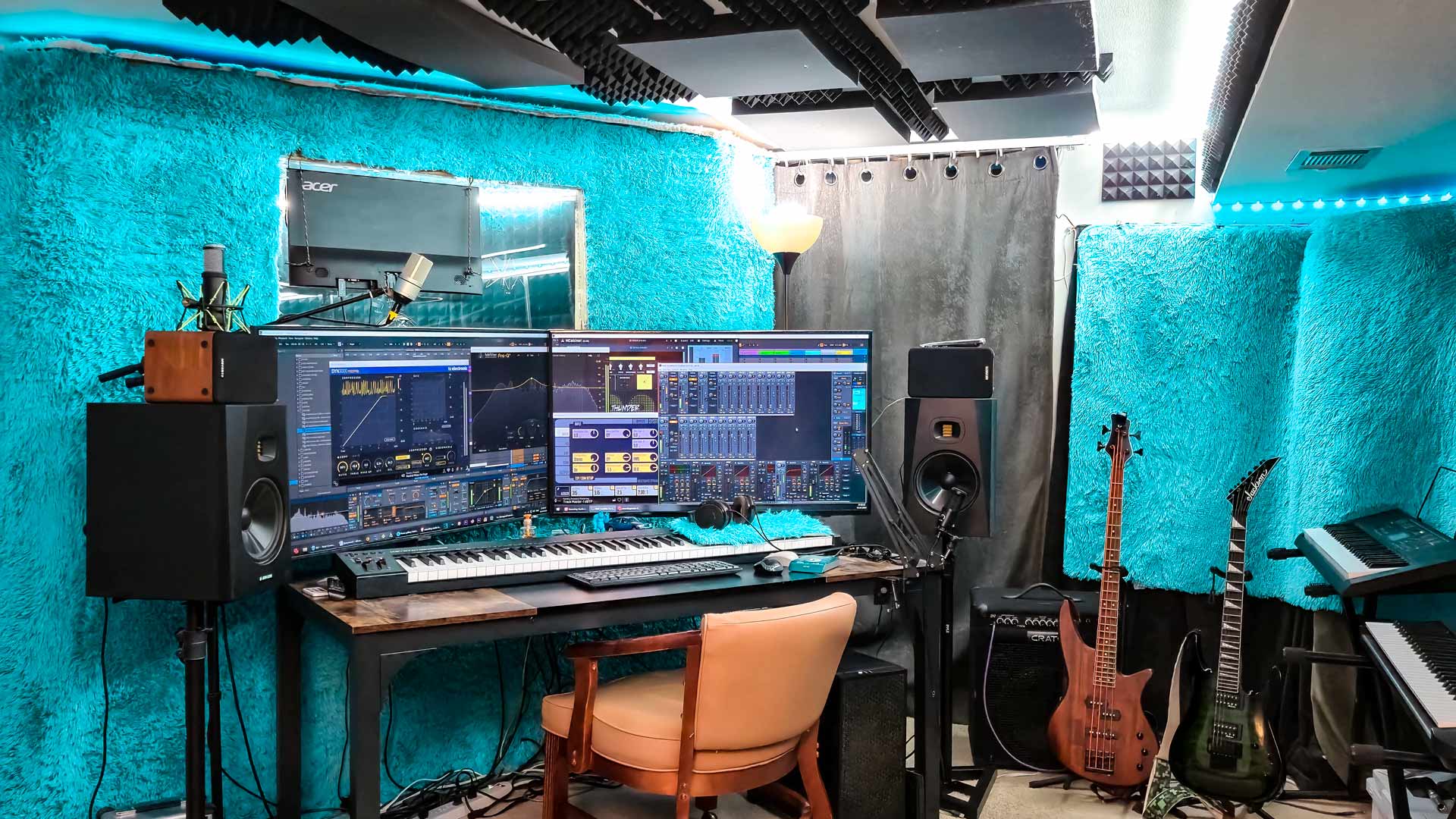
Most vocal problems don’t come from mixing. They start during recording.
Many artists think mistakes can be fixed later. But recording defines the final result more than any plugin.
If you're planning a session, it's useful to understand how vocals are recorded professionally.
Mixing improves clarity — it does not fix poor recording.
Once mistakes are captured, they stay in the track.
That’s why recording technique matters more than post-processing.
Too close — muddy low frequencies and distortion. Too far — thin and weak sound.
Even small movements can change the tone.
Volume, energy, and tone change between lines.
Compression can control it — but it won’t sound natural anymore.
Starting too early leads to unusable takes.
Preparation reduces wasted time and improves results.
Learn how to prepare here: vocal recording preparation.
If the artist can’t hear properly, performance suffers.
Pitch, timing, and confidence are directly affected.
Mixing enhances — it does not repair bad recordings.
See what mixing actually does: mixing and mastering explained.
Poor technique increases recording time significantly.
Sessions become longer because of retakes and corrections.
See typical timelines: how long vocal recording takes.
Recording at home introduces more risks:
Studio environments reduce these variables.
Full comparison: home vs studio recording.
They don’t rush.
They adjust:
Then record.
And repeat until it sounds right.
The difference between amateur and professional vocals is not gear.
It’s avoiding these mistakes during recording.
If you're planning a session, you can book recording time once you're ready.
Recording without preparation and proper mic technique.
Only partially. Most issues must be corrected during recording.
Because of performance inconsistency and incorrect recording technique.
By adjusting mic position, monitoring, and performance before and during recording.
Yes. Mistakes lead to retakes and longer sessions.
Recording Studio Guides