Ronter Sound Recording Studio Philadelphia
If you searched for “mixing engineers near me,” you probably already understand that a song does not become finished only because it was recorded. A recorded song still needs balance, depth, clarity, space, emotion, movement, and a real musical shape.
At Ronter Sound Recording Studio Philadelphia, mixing is not treated like a mechanical service where files go in and a preset comes out. Mixing is a serious musical process. It is technical, yes, but it is also artistic, psychological, emotional, and very human.
A good mixing engineer does not simply make things louder. A good mixing engineer understands what the artist is trying to say and helps the track become the strongest version of itself.
Mixing Engineer
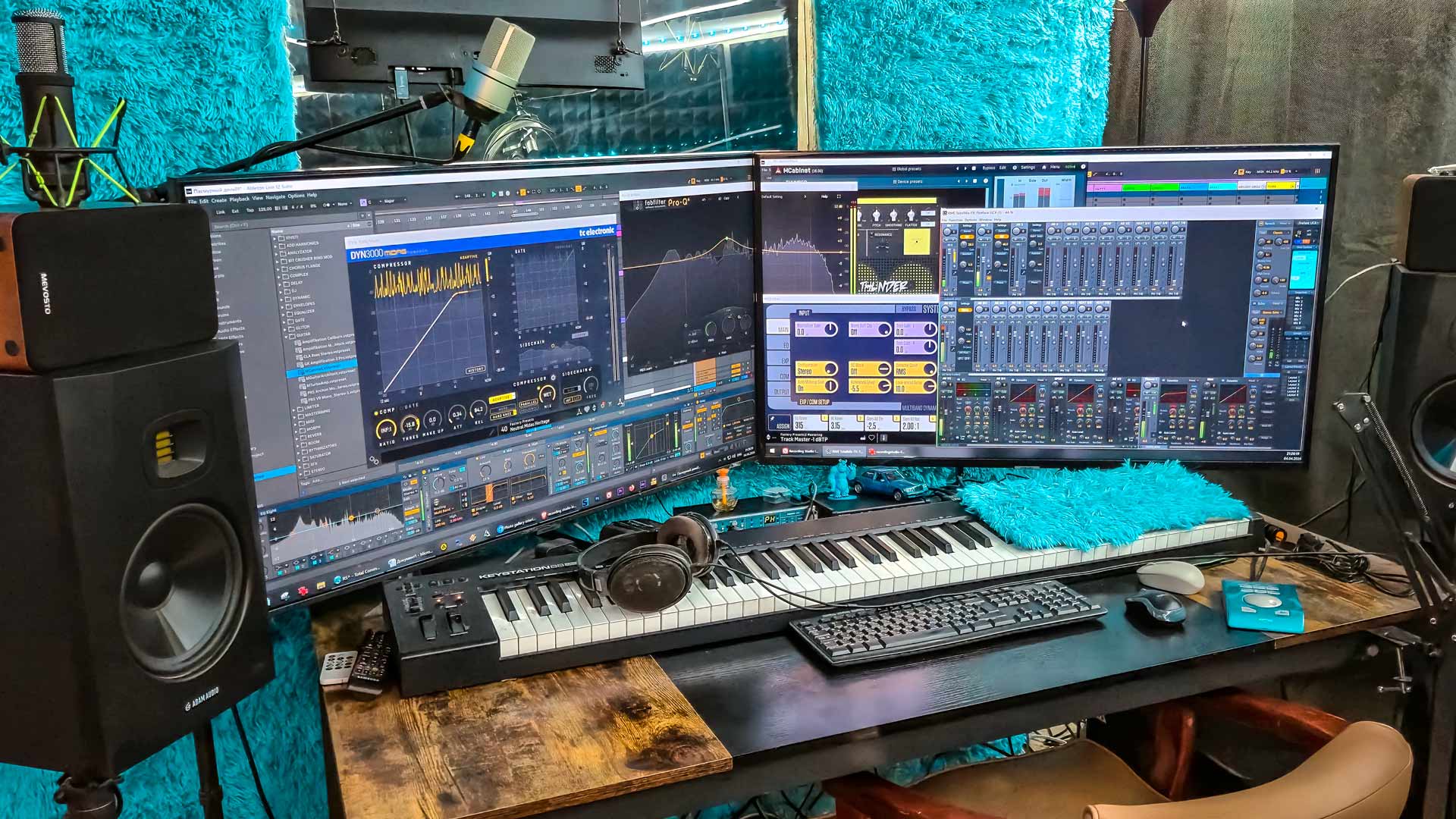
Many people imagine mixing as something simple: adjust volume, add reverb, put a compressor, clean a few frequencies, make the song louder, and done.
In reality, mixing is much deeper than that.
A mixing engineer listens to the whole song and decides how all the musical elements should live together. Where should the vocal sit? How much space does the beat need? Is the bass too heavy or not strong enough? Are the drums carrying the groove? Is the vocal fighting the instrumental? Is the song clear, or is everything standing in each other’s way?
These are not only technical questions. These are musical questions.
A real mixing engineer hears the arrangement, the performance, the emotion, the balance, the frequency conflicts, the dynamics, the space, and the intention behind the song.
Local Mixing
When an artist searches for mixing engineers near me, very often they are not only looking for a file delivery service.
They are looking for somebody they can trust with their music.
They want to know that the person mixing the song will actually listen. They want to explain what they hear in their head. They want to sit with somebody who understands the difference between a technical mistake and an artistic choice. They want feedback, direction, and a professional ear.
That is why working with a local mixing engineer can be so valuable.
You are not sending your song into a faceless online machine. You are working with a person, in a real studio, with real listening, real discussion, and real responsibility for the result.
Philadelphia Mixing Engineer
A professional mixing engineer in Philadelphia should understand more than software.
Plugins are tools. Equalizers, compressors, reverbs, delays, saturation, stereo processing, automation, vocal effects, drum processing, bass control, and mastering chains are all tools.
But tools do not make decisions by themselves.
The important thing is knowing why to use them, when to use them, when not to use them, and what result the music actually needs.
My work as a mixing engineer is built on years of hands-on studio experience, music creation, vocal recording, arrangement work, production decisions, and real sessions with real artists. I do not approach a song as a dry technical file. I approach it as a piece of music made by a person.
Musical Decisions
Every mix is made from hundreds, sometimes thousands, of small decisions.
A little more vocal. A little less harshness. More body in the snare. Less mud in the low mids. More movement in the hook. More intimacy in the verse. A wider background vocal. A tighter delay. A cleaner bass relationship. A more exciting transition. A smoother top end.
None of these decisions exists alone.
If you make the vocal louder, the beat may feel smaller. If you make the bass bigger, the vocal may lose space. If you brighten the vocal, harshness may appear. If you compress too much, the performance may lose life. If you leave everything raw, the song may not feel finished.
Mixing is constant balancing.
That is why a mixing engineer must hear not only sounds, but relationships between sounds.
Vocal Mixing
In most modern songs, the vocal is the main event.
The listener follows the voice. The voice carries the words, the emotion, the character, the personality, and the human presence of the track.
That is why vocal mixing is so important.
The vocal has to be clear, but not disconnected. It has to be present, but not painfully loud. It has to sit inside the instrumental, but not disappear. It has to sound polished, but still alive.
Good vocal mixing includes level balance, EQ, compression, de-essing, tuning when needed, timing when needed, reverb, delay, saturation, automation, layering, doubles, ad-libs, and background vocals.
But again, the tools are not the point. The point is whether the listener believes the voice.
Mixing and Mastering
Many people search for a mixing and mastering engineer near me because they want the complete final sound.
Mixing and mastering are connected, but they are not the same job.
Mixing is where the individual tracks are balanced: vocals, beat, drums, bass, instruments, effects, layers, background vocals, and all the pieces of the song.
Mastering is the final stage, where the finished mix is prepared for release, streaming platforms, loudness, translation, and final polish.
At Ronter Sound, I can help with both. But I always care about the mix first, because mastering cannot magically fix a weak balance. A strong master begins with a strong mix.
Local vs Online
Online mixing services can be useful sometimes. You upload files, explain a few things, wait, and receive a mix.
But that process can feel distant.
If the engineer does not understand your intention, the mix may be technically clean but emotionally wrong. It may sound polished, but not like your song. It may fit somebody’s template, but not your vision.
A local mixing engineer gives you a more human process.
We can talk. We can listen together. We can discuss references. We can understand what matters in the song. We can make practical decisions and move forward without losing the creative idea.
That human connection is often the difference between a technically acceptable mix and a mix that actually feels right.
Music Mixing Services
Different genres need different mixing decisions.
Rap and hip-hop need vocal confidence, punch, timing, low-end control, ad-libs, and beat relationship. Pop needs clarity, polish, hooks, vocal production, and emotional immediacy. Rock needs energy, guitars, drums, movement, and performance. Dance music and EDM need groove, impact, bass, kick, space, and club energy. Acoustic music needs honesty, warmth, and natural balance.
A mixing engineer should not treat all genres as the same thing.
The mix must respect the style, but also respect the artist.
That is especially important when working with independent artists, because many independent songs do not fit perfectly into one commercial box. Sometimes the song is rap, but with pop emotion. Sometimes it is dance music, but with a real vocal story. Sometimes it is acoustic, but still needs modern impact.
A Good Mix
A good mix is not only loud.
A good mix is not only clean.
A good mix is not only modern.
A good mix helps the song communicate.
The vocal should feel believable. The rhythm should move. The low end should support the song instead of swallowing it. The instruments should have their own places. The chorus should lift. The verse should have room. The important emotional moments should not be buried.
When the listener stops thinking about the mix and starts feeling the song, the mix is doing its job.
Common Problems
A professional mixing engineer often solves problems that the artist feels but cannot always name.
These problems are not always solved by one dramatic move. Very often they are solved through careful listening, small corrections, automation, frequency balance, dynamic control, and understanding what the song actually needs.
My Process
Before I start mixing, I want to understand the song.
What is the genre? What is the mood? What is the main emotional point? What should the listener notice first? Is this song supposed to sound intimate, aggressive, polished, raw, wide, dark, bright, club-ready, emotional, cinematic, simple, or dense?
Then I listen to the tracks and identify what needs attention.
I look at the vocal quality, instrumental balance, low end, timing, frequency conflicts, arrangement density, background layers, transitions, and overall direction.
Then the actual work begins: balancing, cleaning, shaping, placing, automating, controlling, enhancing, and building the final musical picture.
But through all of this, I keep one thing in mind: the artist’s idea must survive the technical process.
Independent Artists
Independent artists often carry the whole project on their own shoulders.
They write the song, choose the beat, record the vocals, think about the release, worry about the sound, compare themselves to professional records, and then try to decide whether the track is ready.
That is a lot.
A good mixing engineer takes part of that weight off the artist.
My job is to help you hear what is working, what is not working, what can be fixed, what should remain, and how to move the song toward a finished professional sound.
The artist should not feel alone with the entire technical burden of the track.
Experience
Experience matters because mixing is not just knowing what a compressor does.
Experience is knowing when compression is helping and when it is killing the performance. It is knowing when the vocal needs brightness and when it needs body. It is knowing when the low end is powerful and when it is simply uncontrolled. It is knowing when a song needs polish and when it needs to keep its raw edge.
I have spent years working with sound, music, artists, voices, recording sessions, production decisions, arrangements, and final mixes.
That experience allows me to guide the process with calm confidence.
I want the artist to feel that the song is in responsible hands.
Before Release
Sometimes artists are in a hurry to release.
I understand that. When a song is finished emotionally, you want the world to hear it immediately.
But if the mix is not ready, the release can suffer.
A weak mix can make a good song feel amateur. It can make the vocal hard to understand. It can make the beat feel small. It can make the listener skip before they ever understand the idea.
Mixing is the stage where the song becomes presentable, believable, and ready to stand next to other music.
Ronter Sound
If you are searching for mixing engineers near me, audio mixing engineer near me, music mixing services near me, mixing studio near me, or mixing and mastering engineer near me, Ronter Sound is here in Philadelphia.
Bring your song, your stems, your vocal tracks, your beat, your instrumental, your rough mix, your reference tracks, or your unfinished project. We will listen, understand the goal, and decide how to make the song stronger.
My job is not to erase your identity from the song. My job is to help your identity become clearer.
That is what mixing should do.
Mixing, Mastering and Producing Tracks and Songs in Philadelphia
Stem Mixing Services in Philadelphia