Ronter Sound Recording Studio Philadelphia
Not everything recorded in a studio is a song. There is a whole separate world of spoken audio: voiceover, narration, dubbing, corporate voice recording, YouTube narration, e-learning narration, explainer videos, presentations, training content, and multilingual media.
At Ronter Sound Recording Studio Philadelphia, we record professional audio content for companies, creators, educators, agencies, voice actors, narrators, YouTube channels, production teams, and businesses that need clean, clear, human spoken voice.
This page is the hub for our audio content recording services — a separate direction from music recording, focused on voice, information, communication, explanation, education, business content, and video-based media.
Beyond Music
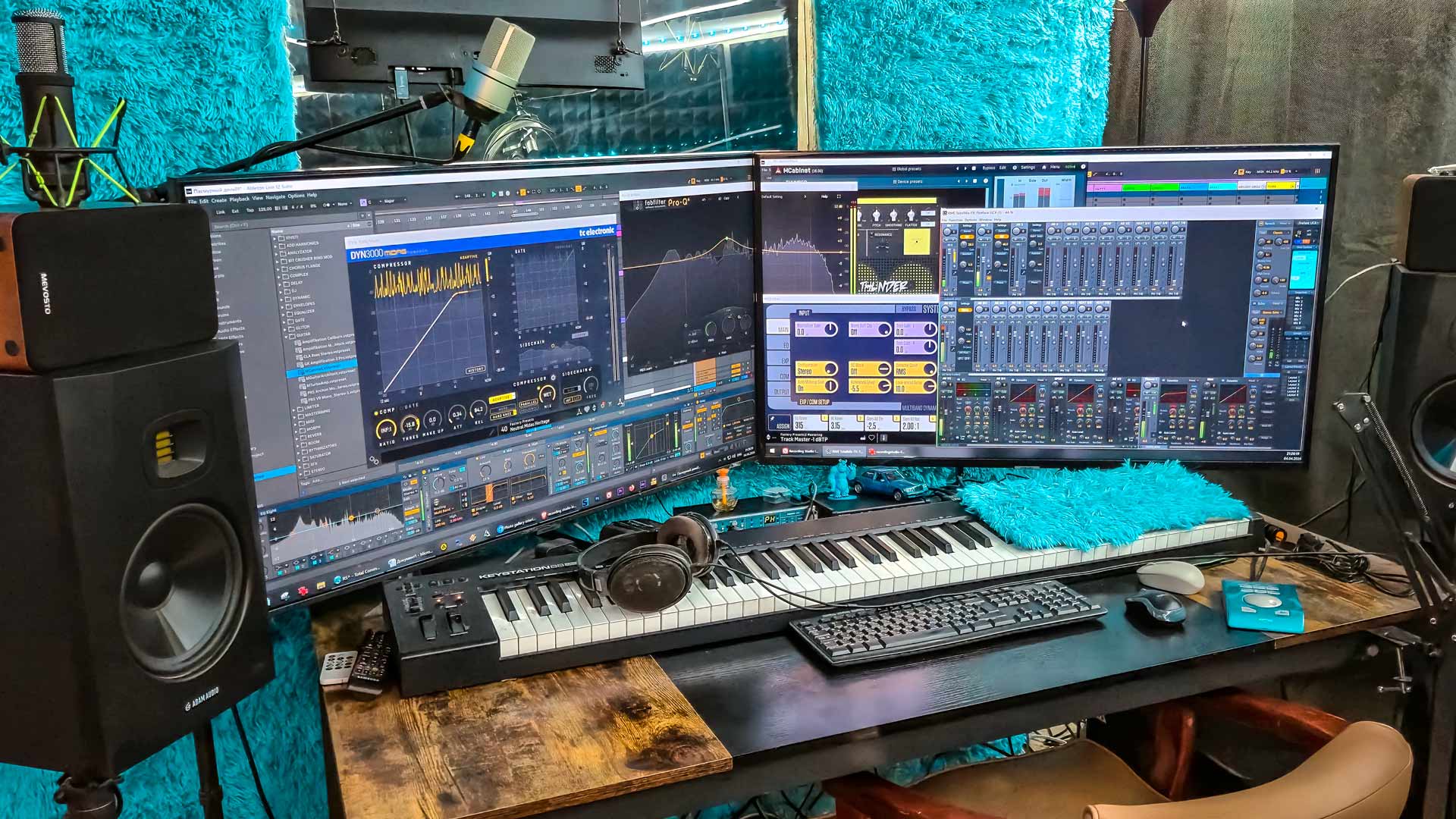
A recording studio is not only for singers, rappers, bands, and musicians.
A studio is also a place where spoken voice becomes professional audio content.
Companies need narration for presentations. Training departments need voice for employee learning. YouTube creators need documentary-style narration. Agencies need voiceover for commercials and explainers. Voice actors need a clean recording environment. Businesses need polished audio for clients, investors, partners, and online audiences.
The microphone may be the same, but the purpose is different.
In music, the voice often carries melody, emotion, rhythm, and artistic identity. In audio content recording, the voice usually carries information, trust, clarity, explanation, story, instruction, or business communication.
Different Types of Voice Work
Many people use the words voiceover, narration, and dubbing as if they mean the same thing.
They are related, but they are not always the same job.
Voiceover is the broad category: a recorded voice placed over media. It can be for video, reels, commercials, presentations, social content, explainers, or many other formats.
Narration usually has a guiding or explaining function. The narrator leads the listener through a documentary, training video, presentation, educational project, museum audio guide, or YouTube video.
Dubbing is different again. Dubbing often means creating a new spoken version of existing video content, sometimes in another language, sometimes with another actor, sometimes with timing or lip-sync requirements.
A good studio should understand these differences, because each type of spoken audio requires a different approach.
Dubbing
Dubbing gives a video a new voice.
This may mean translating the original content into another language, recording a new actor or narrator, matching the timing of the video, and creating a version that feels natural for a new audience.
Dubbing can be used for informational videos, presentations, commercials, training content, creative projects, educational videos, YouTube content, corporate media, and multilingual business communication.
Narration
Narration is the voice that guides the listener through material.
It can explain a presentation, support a training video, tell the story of a documentary, guide a museum visitor through an exhibit, or help a viewer understand educational or informational content.
Professional narration recording needs clarity, pacing, diction, trust, and the right tone for the audience.
Explainer Videos
An explainer video has one clear purpose: explain something.
It may explain a product, service, company, process, software platform, training topic, educational idea, or business solution.
The voice connects the visuals into one clear message. It tells the viewer what they are seeing, why it matters, and what they should understand.
Corporate Audio
Corporate voice recording is the sound of a company speaking.
It may be used in business presentations, company videos, investor materials, internal communications, employee onboarding, product explainers, training videos, and multilingual business media.
A corporate voice should sound professional, reliable, clear, and human. Not stiff, not fake, not careless, and not like someone is reading a document with no life.
E-Learning
E-learning narration is the voice that teaches.
Online courses, training modules, instructional videos, employee education, software tutorials, safety courses, onboarding materials, and educational platforms all need voice that is clear, steady, and comfortable to listen to.
The voice should help the learner move through the lesson. It should not make the content heavier, more confusing, or harder to trust.
YouTube Narration
Many YouTube channels are built around narration.
Documentary channels, history channels, science channels, faceless YouTube projects, storytelling channels, educational channels, investigations, video essays, and explainers often depend on a narrator to carry the viewer through the content.
Good YouTube narration must hold attention, support the visuals, keep the story moving, and remain listenable across the whole video.
Related Studio Services
Some audio content services already exist as separate service pages on the site, because they have their own specific search intent and client need.
Podcast Recording Studio in Philadelphia
Audiobook Recording Studio in Philadelphia
Voiceover for Video, Reels, Short Clips and Social Media Content
Multilingual Recording
Spoken audio content often needs to reach more than one audience.
Depending on the project and available voice talent, we can work with spoken audio in English, Spanish, Russian, Ukrainian, Portuguese, French, German, Italian, Polish, Turkish, Arabic, Hebrew, Chinese, Mandarin, Cantonese, Japanese, Korean, Hindi, Urdu, Bengali, Vietnamese, Thai, Greek, Romanian, Albanian, Serbian, Croatian, Czech, Dutch, Swedish, and other languages.
But multilingual recording is not only translation.
Each language has its own rhythm, breath, phrase length, natural speaking speed, emotional habits, and listener expectations. A good recording should sound like real communication in that language, not like a mechanical text moved from one language into another.
This matters for dubbing, corporate narration, e-learning, YouTube content, museum audio, presentations, training videos, and international business communication.
Professional Sound
Many people think spoken audio is simple: turn on a microphone and read the text.
In real work, it is more complicated.
We need to understand who is speaking, who is listening, what the content is supposed to do, what tone is needed, how fast the person should speak, how the voice fits the video, whether timing matters, whether the script works when spoken aloud, and whether the final recording sounds clean enough for professional use.
Bad audio makes good content feel weak.
Noise, echo, poor diction, rushed reading, flat delivery, uneven volume, bad timing, or a voice that does not match the project can damage the whole piece.
Professional spoken audio does not simply fill silence. It helps the content communicate.
Recording Process
A spoken audio project usually begins with the material.
This may be a script, video, storyboard, presentation, training module, YouTube episode, translated text, rough cut, technical assignment, or simply an idea that needs to become recorded voice.
Then we need to understand the purpose.
Is this for a company? For a course? For YouTube? For a documentary? For a presentation? For a training video? For a commercial? For a multilingual version of existing content?
After that we choose the voice direction: calm, friendly, corporate, educational, documentary-style, energetic, serious, warm, authoritative, conversational, or character-based.
Then we record the voice cleanly, monitor the delivery, check timing when needed, and make sure the voice actually serves the final project.
Explore the Cluster
Explore the main audio content recording services in this cluster:
Work With Us
If you need voiceover, narration, dubbing, corporate voice recording, YouTube narration, e-learning narration, explainer video voiceover, training content, presentation audio, or multilingual spoken media, come to the studio.
Bring your script, video, presentation, storyboard, training module, course, reference, translation, or technical assignment. We will understand the task, record the voice clearly, and help the audio serve the real purpose of the content.
My job is not just to record a voice. My job is to help the voice carry the message.