Ronter Sound Philadelphia
Dialogue editing is the process of shaping recorded speech so it sounds clear, natural, organized, and easy to follow. It is used for voiceovers, interviews, podcasts, video dialogue, narration, reels, and spoken audio projects.
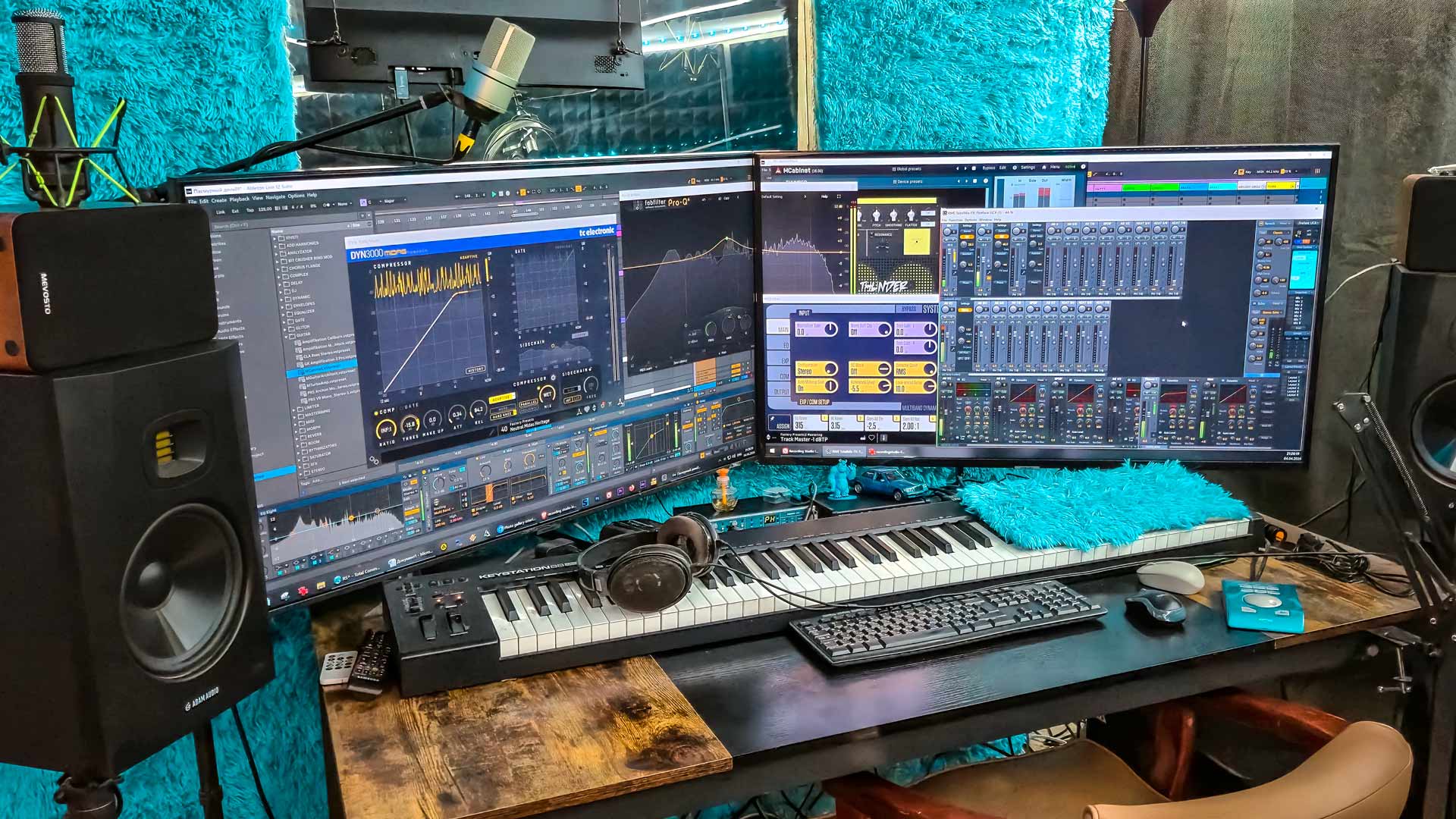
At Ronter Sound, dialogue editing is done manually inside our recording studio in Philadelphia. The goal is not to make speech artificial, but to make it easier to understand, more focused, and more comfortable to hear.
Speech Editing
Dialogue editing is not only cutting mistakes. It is listening to how a person speaks, where the thought begins, where the phrase should breathe, and what can be removed without damaging the meaning.
What It Fixes
Raw spoken audio often contains many small distractions: long pauses, repeated words, awkward starts, mouth noises, uneven phrase timing, background interruptions, and parts that slow down the listener’s attention.
Dialogue editing removes or reduces these distractions so the listener can follow the message, story, explanation, or conversation without constantly noticing technical or speech problems.
Important Difference
Dialogue editing focuses on the structure, flow, timing, and clarity of spoken content. Audio restoration focuses on damaged or technically poor recordings: noise, hum, distortion, bad microphones, or difficult audio problems.
Sometimes both services are needed, but they are not the same thing. A clean recording may still need dialogue editing. A damaged recording may first need audio restoration and cleanup before it can be edited comfortably.
This page is for the spoken-word editing stage: shaping the voice, conversation, or narration into a clear final listening experience.
Video & Content
Dialogue editing is useful for many types of spoken audio. It helps when the voice carries the message and the listener needs to understand it clearly without losing attention.
If you are recording new spoken content, you can also use our voice, vocal and speech recording service before the editing stage.
Natural Flow
Good dialogue editing should not sound chopped, robotic, or over-cleaned. The listener should not hear where every cut happened. They should simply feel that the speech is clear, natural, and easy to follow.
A human voice has rhythm. People pause, breathe, hesitate, emphasize, and change speed. The goal is not to erase all of that. The goal is to remove what distracts while keeping the voice alive.
If everything is cut too tightly, speech can become nervous and unnatural. If nothing is edited, it may feel slow, messy, or unfinished. The right result is balanced.
Meaning First
Spoken audio is built from meaning. A phrase can be technically clean but still feel wrong if the edit cuts the thought in the wrong place. That is why dialogue editing must follow the speaker’s intention, not only the waveform.
The editor has to understand where the sentence is going, what should stay, what can be removed, and how the listener will receive the final version.
Before Mixing
Dialogue editing usually comes before final mixing or mastering. Once the spoken material is organized and cleaned, the next stage can focus on tone, loudness, EQ, compression, effects, and final delivery format.
This service connects naturally with vocal editing and cleanup, pre-mix preparation, and mixing and mastering.
Manual Workflow
Dialogue editing is a listening process. The waveform helps, but the ear decides whether the speech feels right. Every speaker has their own rhythm, accent, tone, and way of building a thought.
The work can include cleanup, timing, phrase editing, organization, and preparation for final sound processing.
Speech & Audio Production Cluster
Dialogue editing is one stage in a larger spoken-audio workflow. Depending on the project, the recording may also need voice recording, audio cleanup, pre-mix preparation, mixing, or final mastering.
You can also return to the main audio recording and production services page or visit the main recording studio in Philadelphia page.
FAQ
Book a Session
If your spoken recording has the right content but feels too long, messy, uneven, or difficult to follow, dialogue editing can help make it clearer, tighter, and more professional.
The goal is simple: keep the speaker’s real voice, remove distractions, and make the listener follow the message without effort.