Ronter Sound Philadelphia
Audio restoration is the process of improving damaged, noisy, unclear, distorted, or difficult recordings so the listener can focus on the voice, music, or message instead of technical problems.
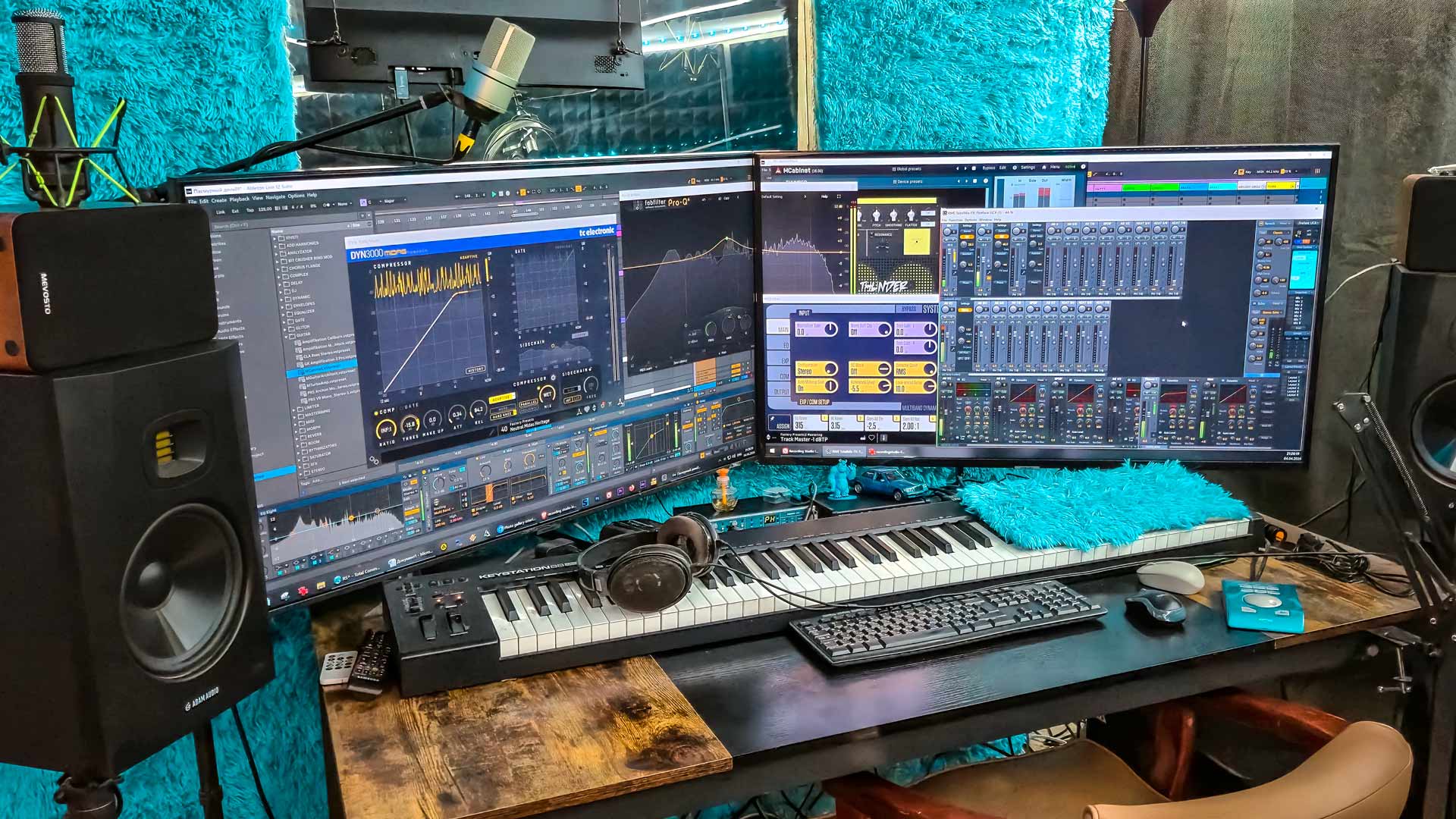
At Ronter Sound, audio restoration is done manually inside our recording studio in Philadelphia. The goal is not to pretend the original recording was perfect, but to recover as much clarity, focus, and listenability as possible.
Restoration Workflow
Audio restoration is always a balance. Every cleanup process changes the sound in some way. The challenge is reducing distractions without making the recording sound artificial, hollow, metallic, or damaged by over-processing.
Bad Recordings
Some recordings are impossible to recreate. A live moment happened once. An interview cannot be repeated. A voice message was recorded in bad conditions. A YouTube video was captured with poor sound. A performance has emotional value even if technically imperfect.
In these situations, restoration becomes valuable because the goal changes. Instead of recording perfectly again, the goal becomes recovering meaning, clarity, emotion, and intelligibility from what already exists.
Natural Sound
Bad restoration is easy to hear. The voice becomes metallic, watery, robotic, or unnaturally hollow. Heavy noise reduction can destroy the emotional texture of the recording even while technically removing noise.
The goal is not mathematical perfection. The goal is to make the listener stop noticing technical problems and start listening to the person speaking, singing, or communicating.
Sometimes a little remaining noise is better than aggressive processing that destroys the voice itself.
YouTube Audio Cleanup
Many videos are visually good but difficult to listen to because of noisy microphones, echo, low recording levels, wind, room reflections, or bad compression from online platforms.
Audio cleanup can help improve YouTube videos, podcasts, interviews, livestreams, reels, and social media content by making speech more understandable and reducing distracting technical problems.
Reality
Audio restoration is not magic. Some recordings are too damaged to become fully clean. Heavy clipping, severe distortion, missing frequencies, bad microphones, or strong background noise can limit what is possible.
A professional restoration process improves the material as much as realistically possible while preserving the original character and intelligibility.
Sometimes the correct professional answer is honesty: a recording can be improved, but not completely repaired.
Manual Work
Every recording has different problems. One file may contain hiss. Another may have clipping. Another may be full of room reflections or electrical hum. There is no single button that fixes everything correctly.
Good restoration requires listening, testing, balancing tools carefully, and deciding which problems matter most. Sometimes preserving the emotion of the voice is more important than removing every technical imperfection.
Before Production
Audio restoration often happens before other stages of production. Once the recording becomes cleaner and easier to hear, it can move into editing, vocal production, mixing, mastering, or publishing more successfully.
This service connects naturally with vocal editing and cleanup, pre-mix vocal preparation, and mixing and mastering.
Audio Production Cluster
Audio restoration is often only one stage of a larger production workflow. Depending on the material, the recording may also need editing, vocal cleanup, tuning, mixing, mastering, or final preparation for release.
You can also return to the main audio recording and production services page or visit the main recording studio in Philadelphia page.
FAQ
Book a Session
If your recording sounds noisy, damaged, unclear, or difficult to listen to, audio restoration and cleanup can help improve clarity and make the material easier to understand and use.
The goal is simple: reduce distractions, preserve the important parts of the recording, and recover as much quality as realistically possible.