Ronter Sound Philadelphia
Vocal editing and cleanup is the process of removing distractions from a recorded voice before mixing: loud breaths, mouth clicks, rough cuts, harsh S sounds, background noises, and small technical problems that make a vocal feel unfinished.
At Ronter Sound, vocal cleanup is done manually inside our recording studio in Philadelphia. The goal is not to erase the human voice, but to remove the things that distract the listener from the performance.
Manual Cleanup
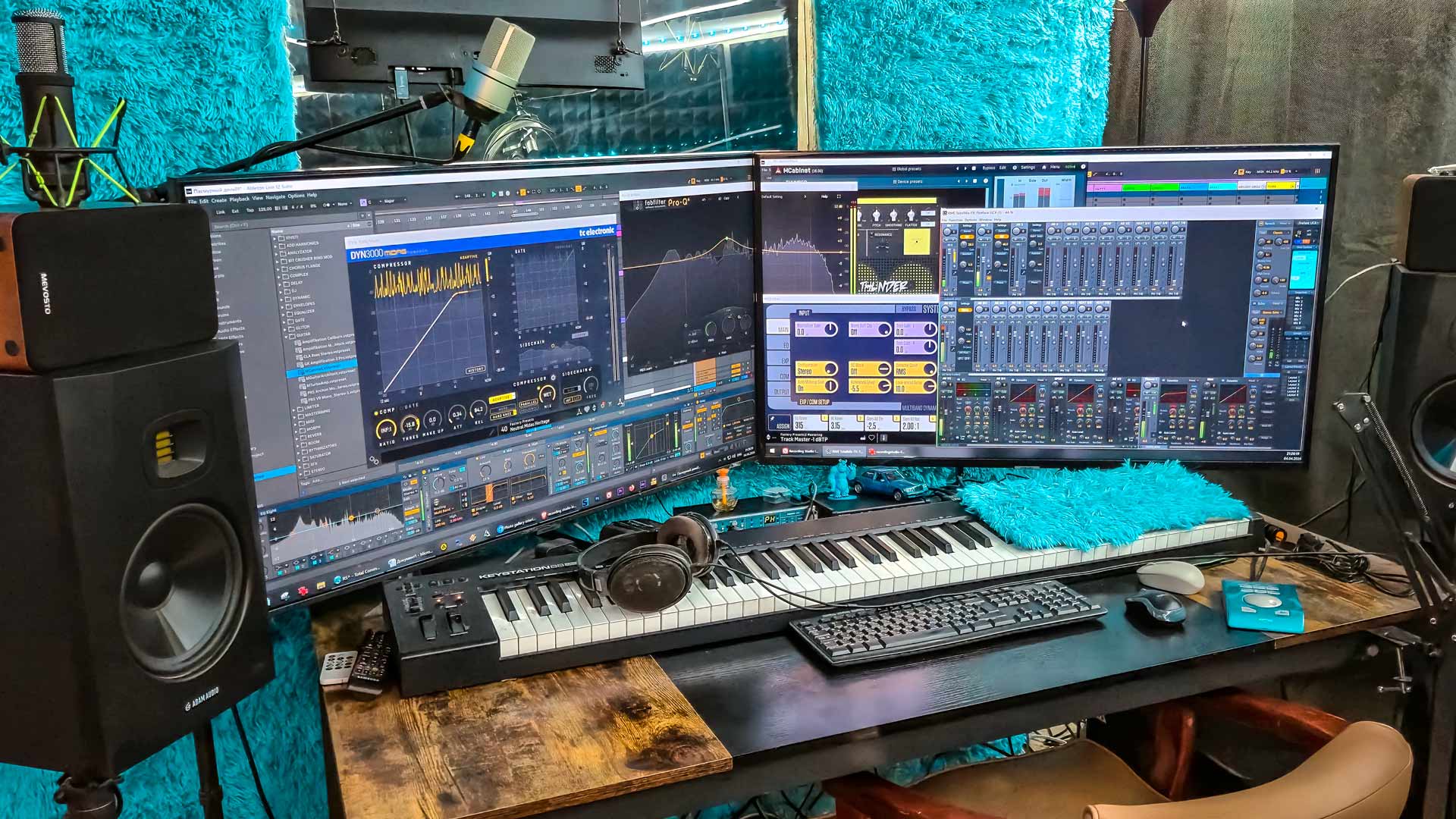
Vocal cleanup is detailed work. It is done by listening closely, looking at the waveform, and deciding what should stay, what should be reduced, and what should be removed completely.
What It Fixes
A vocal can be well recorded and still sound unfinished if it is not cleaned properly. The listener may not know exactly what is wrong, but the ear catches small distractions: clicks, messy breaths, harsh consonants, uneven cuts, or noises between phrases.
These details matter because vocals are usually the center of the song. If the voice feels dirty, rough, or careless, the whole track can start to feel less professional.
Breath Editing
Breathing is part of a real vocal performance. A human voice does not exist in a vacuum. Breaths can give intimacy, closeness, tension, emotion, and a sense that the singer is right there with the listener.
That is why breath editing is not simply “cut all breaths out.” Some breaths should stay. Some should be moved. Some should be reduced. Some should be removed if they are too loud, unhealthy, distracting, or badly placed.
The real work is balance. A vocal without any breath can feel artificial. A vocal with uncontrolled breathing can feel amateur. The correct result is somewhere in the middle: natural, musical, and clean.
De-Essing
De-essing is the process of controlling harsh S, SH, T, and other sharp consonants that can jump out of the vocal. If these sounds are not controlled, the vocal can become painful, sharp, or unpleasant, especially after compression and bright mixing.
But aggressive de-essing can damage the voice. It can make words blurry, dull, or unnatural. The goal is not to remove clarity. The goal is to control harshness while keeping the words readable and the performance alive.
Good vocal editing respects the listener. Words should be clear. The voice should be comfortable to hear. Nothing should make the ear stop and think, “what was that?”
Before Mixing
Vocal cleanup is not the same as mixing. It comes before mixing and prepares the raw material. If the vocal is full of clicks, rough cuts, harsh consonants, and uncontrolled breaths, the mix engineer has to fight the recording instead of shaping the sound.
Clean editing makes the later stages easier: vocal tuning, alignment, compression, effects, mixing, and mastering. The cleaner the vocal is before the mix, the more musical the final result can become.
This service connects naturally with vocal tuning, vocal alignment, vocal comping, and mixing and mastering.
Manual Workflow
Every vocal is different. Some performances need very detailed cleanup. Some need only light correction. Some breaths are important. Some noises are part of the emotion. Some “imperfections” make the vocal sound alive, while others simply sound like technical mistakes.
That is why vocal cleanup should not be done automatically or carelessly. The engineer has to understand music, performance, pronunciation, timing, and the character of the artist.
Natural Result
The best vocal editing is invisible. The listener should not hear where something was removed, reduced, moved, or repaired. They should simply hear the artist clearly.
A cleaned vocal should still feel human. It should still breathe, move, and carry emotion. The purpose of cleanup is not to make the voice sterile. The purpose is to remove the things that interrupt the song.
When vocal editing is done well, the listener stops noticing technical problems and starts following the words, emotion, melody, and meaning of the performance.
Vocal Production Cluster
Vocal editing and cleanup is one part of a larger vocal production workflow. If the performance needs more work, Ronter Sound can also help with related services inside the same studio process.
You can also return to the main audio recording and production services page or visit the main recording studio in Philadelphia page.
FAQ
Book a Session
If your vocal already has the right performance but still feels rough, noisy, sharp, or unfinished, vocal editing and cleanup can help prepare it for a cleaner and more professional mix.
The goal is simple: remove distractions, protect the natural performance, and make the voice easier to hear.