Audio Content Recording Services
E-learning narration is not just a voice reading educational text. In an online course, training module, or instructional video, the voice becomes the guide that leads the learner through the material, explains the steps, keeps attention, and makes the lesson easier to understand.
At Ronter Sound Recording Studio Philadelphia, we record e-learning narration, online course narration, and training course voiceover for educational content, corporate learning, employee training, instructional videos, software tutorials, safety courses, onboarding modules, and multilingual learning materials.
The goal is very practical: the learner should understand the information, follow the structure, and not get tired of listening. The voice should be clear, steady, human, and useful — not theatrical for no reason, not sleepy, not rushed, and not recorded like an afterthought.
E-Learning Voice
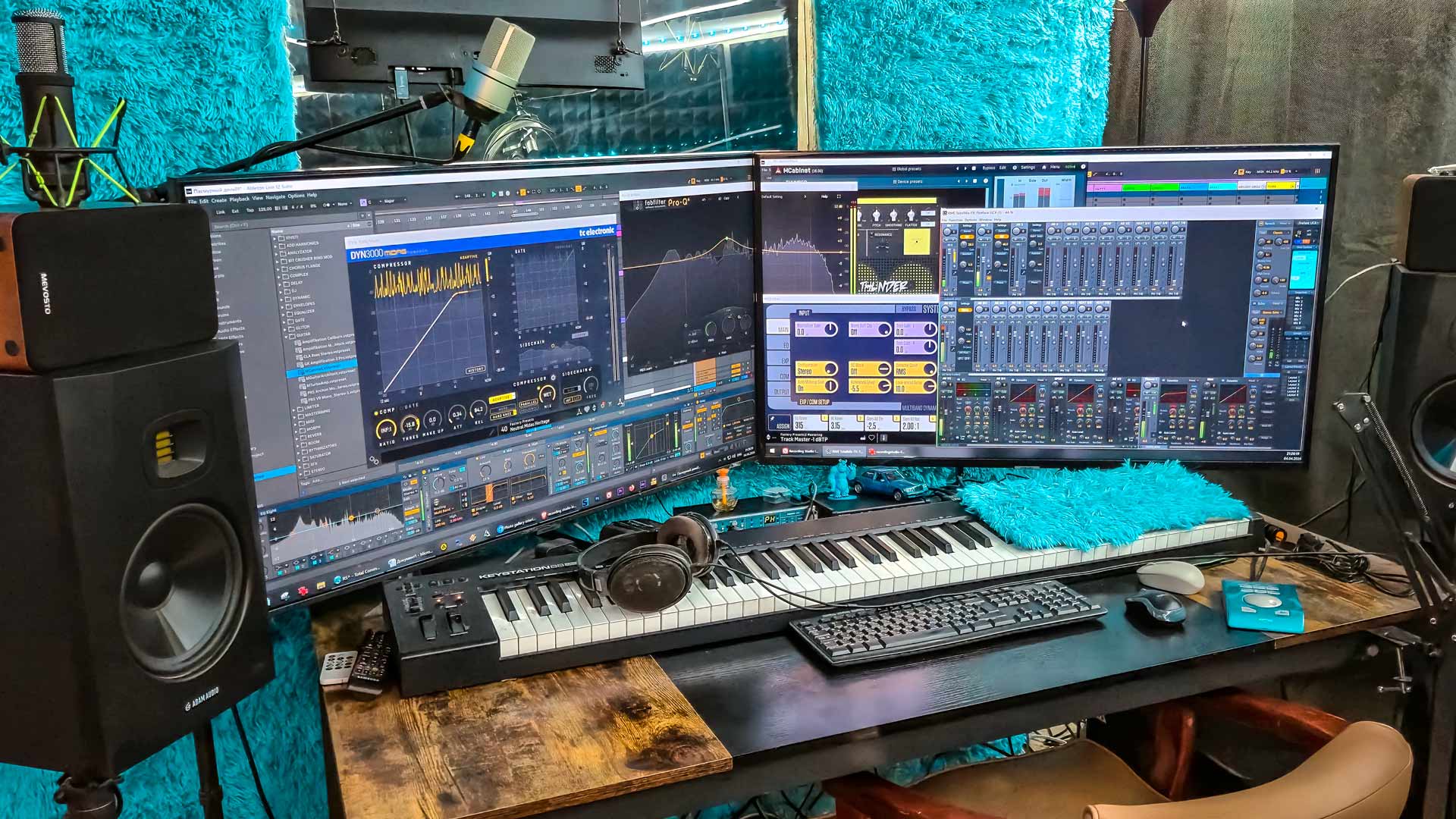
In e-learning, the voice is not decoration.
The voice teaches. It explains what is happening, where the learner should look, what step comes next, what concept matters, what mistake should be avoided, and what the student or employee is supposed to remember.
A good online course narration does not simply pronounce the script. It carries the learner through the course.
This is why e-learning narration must be understandable, consistent, and comfortable to listen to for a long time.
A person may listen to this voice for ten minutes, thirty minutes, an hour, or across an entire training course. If the voice is unpleasant, noisy, rushed, or unclear, the learning experience becomes worse.
Online Courses
Online course narration has its own special difficulty.
It is not always short. It is not one slogan. It is not one commercial phrase. It can be many lessons, many modules, many explanations, many repeated terms, many technical instructions.
So the voice has to be clear, but also sustainable.
If the narrator starts too energetic, they may become tiring after five minutes. If the narrator is too flat, the learner may mentally disappear after the first slide. If the narrator speaks too fast, information is lost. If the narrator speaks too slowly, attention dies.
A good online course voice recording finds the middle path: understandable, calm, alive, paced correctly, and easy to follow.
Training Courses
Training course voiceover is often used for employee training, safety training, compliance courses, technical procedures, customer education, HR onboarding, software walkthroughs, product tutorials, and internal company learning.
In this kind of content, the voice has a very practical job.
It must help people understand what to do.
Sometimes the learner needs to remember a procedure. Sometimes they need to follow steps on a screen. Sometimes they need to understand company policy. Sometimes they need to learn a safety rule. Sometimes they need to operate software or equipment correctly.
The voice should not create confusion. It should reduce confusion.
That is the whole point of professional training course voiceover.
Corporate Learning
Many companies now train employees through videos, online modules, internal learning platforms, onboarding systems, and recorded training materials.
Corporate e-learning narration needs to sound professional, but still human.
If it sounds too casual, the material may lose authority. If it sounds too formal and dead, people stop listening. If it sounds like someone is reading a corporate document without understanding it, the training feels weak.
The right voice helps the company explain its rules, processes, systems, values, tools, and expectations in a way that people can actually absorb.
Good corporate learning narration is not entertainment for its own sake. It is a working tool inside the company’s education system.
Educational Content
Educational narration can be used for school lessons, online classes, tutorials, lecture materials, student videos, language courses, professional certification programs, continuing education, and public learning projects.
The narrator’s job is to help the student stay with the material.
A lesson can be difficult by itself. The voice should not make it more difficult.
If the voice is unclear, the student struggles. If the pacing is wrong, the student loses the thread. If the recording quality is poor, the lesson feels less serious. If the delivery is completely flat, attention disappears.
Educational narration should make the learning path smoother.
Software Tutorials
A lot of e-learning narration is connected with software.
A learner is watching a screen. A cursor moves. Menus open. Buttons appear. Settings change. Steps follow one after another.
The voice needs to guide the viewer through that process clearly.
If the narrator moves too fast, the learner gets lost. If the narrator describes obvious things too slowly, the learner gets irritated. If the script is too dense, the viewer cannot follow the screen and the voice at the same time.
Software tutorial voiceover should feel like a good instructor sitting next to the learner, calmly saying: here is what we do, here is why, here is the next step.
Instructional Videos
Instructional video narration is often about timing.
The viewer sees a step. The voice explains it. Then the video moves to the next step. If the narration is too early, too late, too fast, or too slow, the instruction becomes less useful.
This matters for how-to videos, product instructions, equipment tutorials, medical or technical demonstrations, safety procedures, craft lessons, cooking lessons, maintenance videos, and many other practical topics.
The voice has to match the structure of the learning process.
In this kind of work, narration is not background. It is part of the instruction itself.
Multilingual Learning
E-learning content is often created for more than one audience, and that means narration may need to be recorded in different languages.
Depending on the project and available voice talent, e-learning narration, online course narration, and training course voiceover can be recorded in English, Spanish, Russian, Ukrainian, Portuguese, French, German, Italian, Polish, Turkish, Arabic, Hebrew, Chinese, Mandarin, Cantonese, Japanese, Korean, Hindi, Urdu, Bengali, Vietnamese, Thai, Greek, Romanian, Albanian, Serbian, Croatian, Czech, Dutch, Swedish, and other languages.
But multilingual e-learning is not just translation.
The lesson still has to work. The phrasing must be natural. The pacing must match the learner’s ability to absorb information. The voice should sound like a real instructor in the target language, not like a mechanical translation placed over a slide deck.
For international companies, schools, online platforms, training departments, and educational creators, multilingual narration can make the same course accessible to much wider audiences.
Recording Process
An e-learning narration session usually begins with the script and the structure of the course.
What is the lesson about? Who is the learner? Is this for employees, students, customers, patients, software users, safety training, certification, onboarding, or public education?
Then we need to understand the voice direction.
Should the voice be calm, friendly, formal, instructional, corporate, warm, technical, neutral, encouraging, serious, or conversational?
If there is a video, screen recording, slide deck, or module timing, we also consider how the voice fits the visual material.
Then we record the narration cleanly, carefully, and with attention to pacing, diction, consistency, and whether the voice helps the learner understand the material.
Common Mistakes
E-learning narration often fails for simple reasons.
The script may be too dense. The voice may be too fast. The recording may be noisy. The delivery may be flat. The pacing may not match the slides. The tone may not fit the audience. The speaker may sound like they are reading a document instead of teaching a lesson.
Another common problem is fatigue.
A voice that sounds acceptable for thirty seconds may become tiring across a full module. That is why online course narration needs more control than a short advertisement. It must remain listenable over time.
A good e-learning voice should not demand attention by force. It should help attention stay with the material naturally.
Professional Result
Learners may not always consciously notice professional narration, but they feel the difference.
Clean sound feels more serious. Clear diction makes the lesson easier to follow. Correct pacing helps the learner absorb information. A good voice direction makes the course feel organized and intentional.
Bad audio has the opposite effect.
Noise, echo, unclear speech, uneven volume, rushed reading, or dead delivery make the learning content feel cheaper and harder to trust.
In e-learning, the voice is part of the educational experience.
If the voice is weak, the course becomes weaker.
Ronter Sound
If you need e-learning narration, online course narration, or training course voiceover for an educational module, corporate learning program, software tutorial, instructional video, onboarding course, safety training, or multilingual learning project, we can help record it professionally.
Bring your script, course structure, slides, video, screen recording, reference, voice direction, or technical assignment. We will understand the purpose, record the voice cleanly, monitor the pacing, and help make the narration sound clear, useful, and comfortable for learners.
The voice should not make the lesson heavier. It should help the learner move through the material.
That is the work.
Audio Content Recording Services