Audio Content Recording Services
Narration is not just somebody reading text into a microphone. Good narration explains, guides, teaches, presents, describes, and helps the listener or viewer understand the material without feeling that someone is mechanically reading words from a page.
At Ronter Sound Recording Studio Philadelphia, we provide narration recording services for presentations, training videos, corporate content, documentaries, museum audio, educational materials, YouTube narration, public information projects, and other professional spoken media.
The goal is simple: the voice should carry the information clearly, confidently, and naturally. It should help the content, not distract from it. It should sound like a real person leading the listener through the material with purpose.
Narration
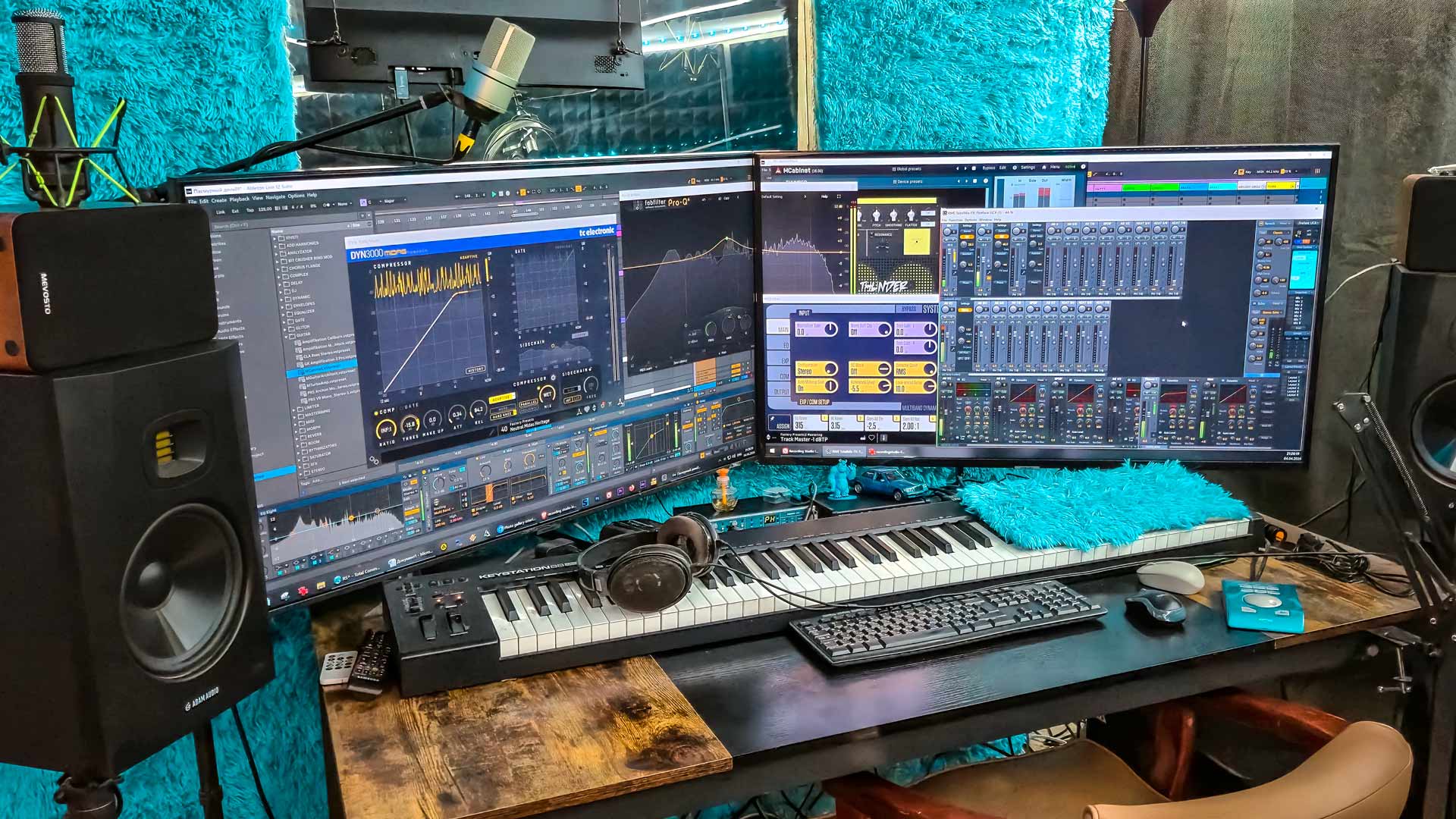
Narration is a special kind of spoken voice recording.
It can be calm. It can be serious. It can be warm. It can be educational. It can be corporate. It can be documentary-style. It can be friendly and accessible. But in almost every case, narration has one main function: it helps the audience follow the content.
A narrator is not always acting like a character. A narrator is often a guide.
The narrator explains what the viewer is seeing. The narrator connects one idea to another. The narrator gives structure to a presentation. The narrator makes a training video easier to follow. The narrator gives a documentary its voice. The narrator helps museum visitors understand the exhibit in front of them.
So narration recording is not simply about having a good voice. It is about having the right voice for the right purpose.
Narration vs Voiceover
People often use the words voiceover and narration together, and that is understandable. Both are spoken voice recordings. Both can be used in videos, presentations, commercials, online content, and educational materials.
But narration has a slightly different center.
Voiceover can be very broad. It can be a commercial, a character, a short social media line, a product tag, a radio spot, a reel, a YouTube intro, or any voice placed over media.
Narration usually has more of an explaining function.
It tells the viewer what is happening. It teaches. It describes. It connects scenes. It gives context. It carries information. It may not need flashy acting, but it absolutely needs clarity, pace, trust, and control.
This is why professional narration recording should be treated carefully. If the narration is unclear, boring, rushed, too dramatic, too flat, or technically bad, the whole project starts to feel weaker.
Professional Recording
A professional narration recording should be clean, understandable, and easy to listen to.
The listener should not struggle with noise. The listener should not fight unclear diction. The listener should not feel that the speaker is rushing through the text. The listener should not be distracted by uneven volume, harsh tone, room echo, mouth noise, or sloppy pacing.
Good narration sounds simple because the professional work is hidden.
The voice should feel steady. The words should be clear. The tempo should fit the content. The emotional tone should match the purpose. The recording should be technically clean enough for presentations, corporate use, educational content, documentary projects, museum audio, training videos, YouTube narration, and other professional media.
This is why recording narration in a proper studio matters. A phone recording may be enough for a rough draft. But for a finished professional project, the spoken voice should sound like it belongs in the final media.
Presentations
Presentations often need narration when the speaker cannot be present, when the material needs to be reused, or when the company wants the presentation to sound polished and consistent.
This can include business presentations, investor presentations, product presentations, educational decks, sales materials, internal company presentations, public information slides, and training presentations.
In presentation narration, the voice has to be clear and organized.
The narrator should not sound sleepy. But they also should not sound like they are selling circus tickets unless the project actually calls for that. The voice should support the seriousness, clarity, and rhythm of the material.
The narration should help the listener move through the information without getting lost.
Training Videos
Training video narration has a very practical job.
It teaches.
The voice must be understandable, paced correctly, and calm enough for people to absorb the information. If the narration is too fast, the learner gets tired. If it is too slow, the learner gets bored. If the voice is unclear, the lesson loses value.
Training narration can be used for employee onboarding, safety training, technical instructions, medical training, software tutorials, industrial procedures, customer education, school materials, online courses, and internal company education.
In these projects, the voice is not decoration. The voice is part of the learning system.
That is why professional narration recording matters: the better the voice explains, the easier the content is to understand.
Corporate Content
Corporate narration is a separate world.
Companies often need narration for brand videos, internal communication, product explanations, corporate presentations, HR materials, training modules, company history videos, investor content, and business media.
The voice should sound reliable. But reliable does not mean dead.
A corporate narrator must be controlled, clear, and professional, but still human. If the delivery is too flat, the company sounds boring. If the delivery is too theatrical, the company sounds fake. Somewhere in the middle there is the correct tone: confident, human, understandable, and appropriate.
This is why business narration recording is not just a technical job. It is also a question of tone and trust.
Documentaries
Documentary narration has to carry the viewer through a story.
It may explain history. It may describe a place. It may introduce a person. It may connect interviews. It may guide the viewer through facts, emotions, archival material, and visual scenes.
The narrator’s voice can shape the feeling of the whole documentary.
A historical documentary may need gravity. A nature documentary may need calmness and wonder. A social documentary may need seriousness. A YouTube documentary may need clarity and momentum. A short educational documentary may need a voice that is informative without becoming dry.
Documentary narration recording is not simply reading facts.
It is giving the story a controlled, believable human voice.
Museum Audio
Museum audio narration is a very interesting type of spoken content.
A museum visitor may be standing in front of an object, a painting, a historical exhibit, a sculpture, a photograph, a memorial, an interactive display, or an installation. The narration helps them understand what they are seeing.
This kind of narration should be clear, calm, respectful, and informative.
It should not rush. It should not overload the listener. It should give context and allow the visitor to stay emotionally present with the exhibit.
Museum audio guides, exhibition narration, gallery tours, visitor center audio, historical site narration, and cultural audio content all need a voice that can guide without dominating.
YouTube Narration
YouTube narration is now its own large world.
Many channels are built almost entirely around voice narration: documentary channels, history channels, educational channels, explanation channels, commentary videos, faceless YouTube channels, business channels, science channels, travel channels, and video essays.
For this kind of content, the voice must hold attention.
Not by shouting. Not by fake excitement. But by pacing the information properly, keeping the tone alive, and making the listener feel that a real person is guiding them through the subject.
A YouTube narration recording should be clean, consistent, and listenable for the entire length of the video.
Multilingual Narration
Narration can also be recorded in different languages for different audiences.
Depending on the project and available voice talent, we can work with narration in English, Spanish, Russian, Ukrainian, Portuguese, French, German, Italian, Polish, Turkish, Arabic, Hebrew, Chinese, Mandarin, Cantonese, Japanese, Korean, Hindi, Urdu, Bengali, Vietnamese, Thai, Greek, Romanian, Albanian, Serbian, Croatian, Czech, Dutch, Swedish, and other languages.
Multilingual narration is not only translation. A language has its own rhythm, breath, phrase length, emotional habit, and natural speaking speed.
A good narrator should sound natural in the target language, not like somebody mechanically reading words that were moved from one language to another.
This is especially important for training videos, corporate presentations, museum audio, documentaries, and educational content where trust and clarity matter.
Session Process
A narration recording session usually begins with the script and the task.
What is the material? Who is the audience? Where will the narration be used? Is it for a presentation, documentary, training video, corporate content, museum audio, educational lesson, YouTube video, or something else?
Then we need to understand the voice direction.
Should the narration be neutral, warm, authoritative, calm, educational, serious, friendly, documentary-style, corporate, emotional, or conversational?
If there is video, we also consider timing. If the narration must fit a presentation or training module, we consider the pace. If the narration is for a documentary, we consider the rhythm of the story. If the narration is for museum audio, we consider how a visitor will listen while standing in front of an exhibit.
Then we record.
During recording, I listen for clarity, tone, diction, timing, consistency, and whether the voice actually fits the purpose of the project.
Common Problems
Narration can fail for very simple reasons.
The script may be too long for the available time. The tone may not fit the audience. The speaker may read too fast. The delivery may be too flat. The voice may sound like it is reading instead of explaining. The recording may have noise, echo, uneven volume, or technical problems.
Sometimes the problem is not the voice, but the script.
Written text and spoken text are not always the same thing. A sentence that looks fine on paper can become heavy when read aloud. A paragraph that makes sense visually may sound too dense when spoken.
During narration recording, we have to listen like listeners, not only read like writers.
Why It Matters
People may not always consciously notice good narration, but they feel it.
When the voice is clear, the recording is clean, the timing is right, and the delivery fits the material, the content becomes easier to trust.
When the voice sounds amateur, noisy, rushed, unclear, or badly recorded, the content immediately feels weaker.
This matters for businesses. It matters for educators. It matters for museums. It matters for documentary creators. It matters for training departments. It matters for YouTube channels and public information projects.
Narration is often the thread that holds the content together.
Ronter Sound
If you need narration recording services for a presentation, training video, corporate project, documentary, museum audio guide, educational lesson, YouTube video, public information project, or multilingual spoken media, we can help record it professionally.
Bring your script, video, presentation, reference, voice direction, technical assignment, or narration idea. We will understand the purpose, record the voice cleanly, monitor the delivery, and help make the narration sound clear, natural, and appropriate for the final content.
The voice should not fight the material. It should lead the listener through it.
That is the work.
Audio Content Recording Services