Ronter Sound Philadelphia
ADR recording is the process of re-recording dialogue so it matches video timing, lip movement, emotion, pacing, and scene energy when the original production sound is unusable, unclear, damaged, or creatively incomplete.
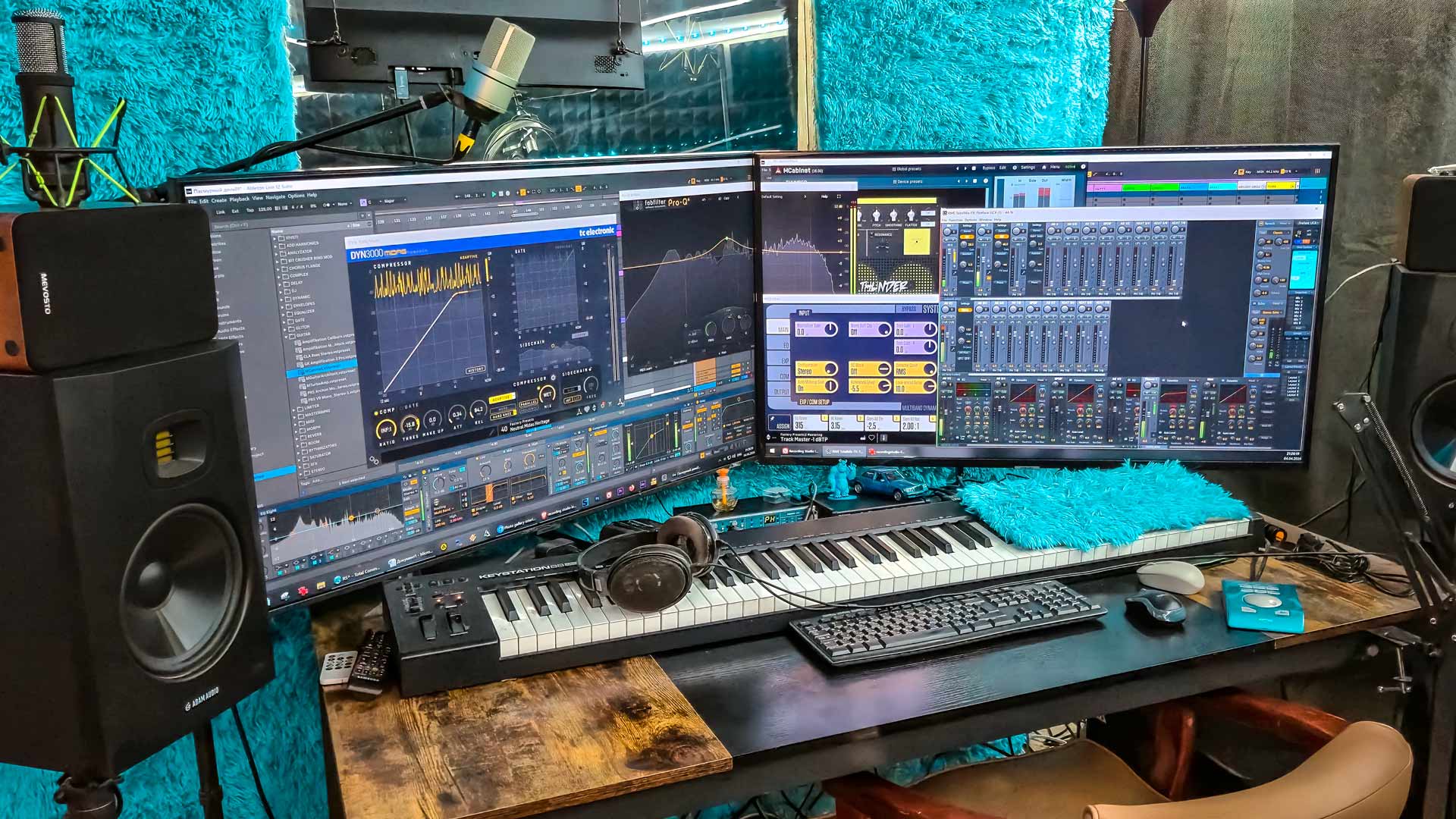
At Ronter Sound, ADR sessions are recorded manually inside our recording studio in Philadelphia. The goal is not simply to replace words, but to preserve the feeling, pacing, and natural rhythm of the original scene.
Dialogue Replacement
ADR is not ordinary voice recording. The actor or speaker must reconnect with a performance that already exists visually and emotionally. The replacement line has to fit timing, breath, mouth movement, rhythm, and emotional energy.
Use Cases
Production sound is not always usable. Background noise, traffic, wind, microphone problems, room reflections, poor recording conditions, or creative changes can make the original dialogue unsuitable for the final version.
ADR allows the dialogue to be recorded again in controlled conditions while staying connected to the original visual performance.
Synchronization
In ADR work, the voice alone is not enough. The line must fit visually. Mouth movement, consonants, pauses, breathing, phrase length, and pacing all affect whether the replacement feels believable.
A technically clean recording can still fail if the timing feels disconnected from the actor’s face or body language. Good ADR follows the visual rhythm of the scene.
The listener should not stop and think, “this was re-recorded.” The replacement should feel naturally connected to the image.
Performance
The emotional part of the original performance matters just as much as synchronization. A replacement line may technically match timing but still feel wrong emotionally if the tone, energy, intensity, or intention changes.
ADR recording often requires repeating lines many times while carefully adjusting pacing, emphasis, articulation, and emotional delivery until the replacement fits naturally into the scene.
The goal is not only clarity. The goal is continuity between image, voice, and emotion.
Workflow
During the session, the actor or speaker listens to the original scene, studies timing and delivery, and records replacement lines while watching the visual reference.
Different takes may focus on timing, emotional accuracy, diction, or synchronization. Sometimes small timing adjustments are made later during editing to improve the final fit.
Important Difference
Voiceover recording focuses on delivering speech clearly and expressively. ADR recording adds another layer: synchronization with existing visual material and previously recorded performance timing.
That is why ADR sessions often require more repetition, detailed timing control, and close listening to small articulation differences.
If you need regular voice recording instead of dialogue replacement, you can also use our voice, vocal and speech recording service.
After Recording
After recording, the dialogue may still need editing, cleanup, level balancing, timing adjustments, or preparation for final mixing inside the video project.
This service connects naturally with dialogue editing, audio restoration and cleanup, and mixing and mastering.
Voice & Dialogue Production
ADR recording is often one stage of a larger production process involving dialogue editing, cleanup, synchronization, voice recording, and final sound preparation for video or spoken content.
You can also return to the main audio recording and production services page or visit the main recording studio in Philadelphia page.
FAQ
Book a Session
If your original production dialogue is noisy, unclear, damaged, or creatively unfinished, ADR recording can help replace the speech while preserving the timing and emotional feeling of the scene.
The goal is simple: make the dialogue feel natural, synchronized, and believable inside the final video or audio project.