Ronter Sound Philadelphia
Modern mastering is no longer only about making music louder. Streaming platforms changed the way songs are played back, normalized, and compared against each other. Today, a song can lose impact not because it is “too quiet,” but because loudness was pushed so aggressively that the music itself stopped breathing.
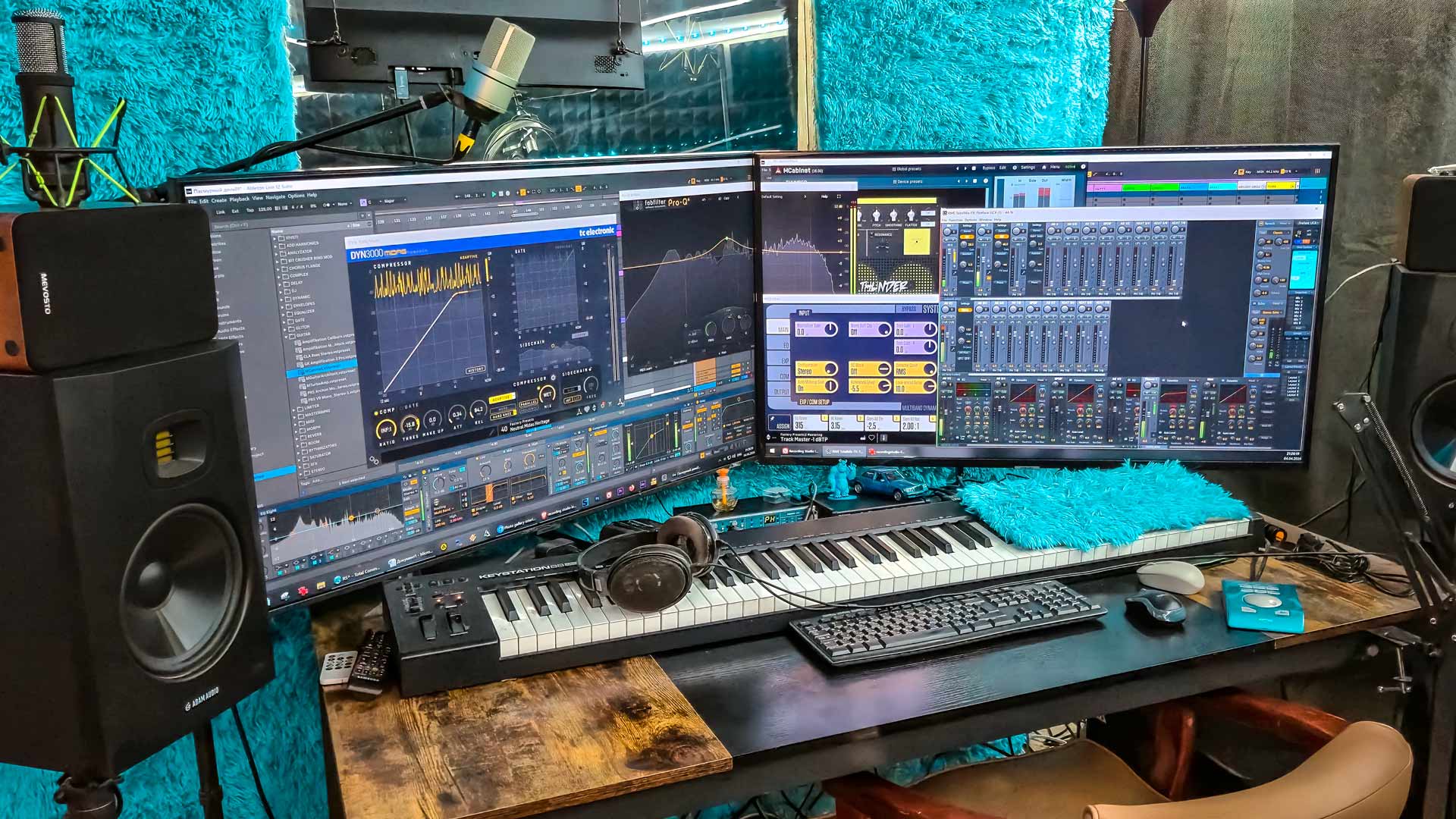
At Ronter Sound, mastering is approached inside our recording studio in Philadelphia not as a loudness competition, but as the final stage of helping the listener emotionally connect with the music without technical distractions getting in the way.
Modern Mastering
There was a time when louder songs often appeared more impressive immediately. But streaming platforms now normalize playback volume automatically, which means excessive loudness no longer guarantees emotional impact. In many cases, over-compression only removes depth, movement, and tension from the music.
Why Streaming Is Different
Streaming services constantly analyze playback loudness and automatically adjust songs toward their own target ranges. Because of this, the old idea of “make it louder than everyone else” often creates the opposite result: the platform turns the song down anyway, but the damage from over-compression remains.
This is why modern mastering is not only about peak loudness. It is about preserving emotional movement, punch, depth, contrast, and listener comfort while still making the song translate well across streaming platforms.
A listener usually does not consciously think: “this song has bad LUFS.” They simply feel fatigue, harshness, flatness, or loss of emotional connection when the music stops breathing naturally.
LUFS Explained Simply
LUFS is a measurement system used to estimate perceived loudness more realistically than simple peak meters. Instead of only measuring the highest spike, it looks more at how loud the song feels to human hearing over time.
But mastering should not become a mechanical obsession with numbers. Two songs at similar LUFS values can feel completely different emotionally. Tone, arrangement, dynamics, low-end balance, vocal presence, and transient movement all affect how powerful music actually feels.
The goal is not chasing a perfect number. The goal is helping the song survive real listening environments without losing its emotional shape.
Why Songs Sound Quiet
Many artists believe their song sounds quiet simply because the master is not loud enough. But often the real issue is elsewhere: weak arrangement, muddy low-end, harsh upper mids, over-compression, unclear vocal balance, or lack of dynamic contrast.
Human hearing responds emotionally to clarity and movement more than raw volume alone. A well-balanced song often feels bigger and more powerful than a heavily crushed master that technically measures louder.
This is especially important on streaming platforms where every song eventually plays back inside roughly controlled loudness ranges anyway.
Platform Optimization
Streaming mastering is partly technical preparation, but it is also translation work. Music today is heard through headphones, cars, Bluetooth speakers, laptops, phones, TVs, and noisy everyday environments. A master should remain understandable and emotionally stable across these situations.
Good mastering is not about making every song identical. Different genres, emotions, arrangements, and performances require different balances. Some music needs aggression. Some needs openness and air. Some needs intimacy and restraint.
Related workflows include mixing and mastering, stem mixing, vocal production, and song demo production.
Related Services
Streaming mastering usually sits at the end of a much larger chain involving songwriting, recording, arrangement, editing, vocal production, and mixing.
Booking
If you are preparing music for Spotify, Apple Music, YouTube, or modern streaming platforms, we can build a mastering workflow around the emotional direction of the song instead of blindly chasing loudness.
Bring your mix, references, notes, or even concerns about how the song currently translates. Mastering works best when the music still feels alive by the end of the process instead of technically louder but emotionally smaller.