Recording Problems & Audio Fixes
Flat mixes are not always caused by bad plugins, weak mastering, or missing loudness. Very often, a mix sounds flat because the music stopped moving emotionally. The sound may be clean, modern, and technically correct, but nothing inside the song keeps developing, breathing, or pulling the listener forward.
At Ronter Sound, mixing inside our recording studio in Philadelphia is approached not only as sound balancing, but as emotional architecture. A mix should guide the listener through the song instead of trapping them inside one frozen loop.
Movement In Music
Sometimes a song starts with an impressive sound immediately, but after a few seconds nothing continues developing. The same textures repeat endlessly, the same emotional state stays frozen, and the music begins copying itself instead of evolving naturally.
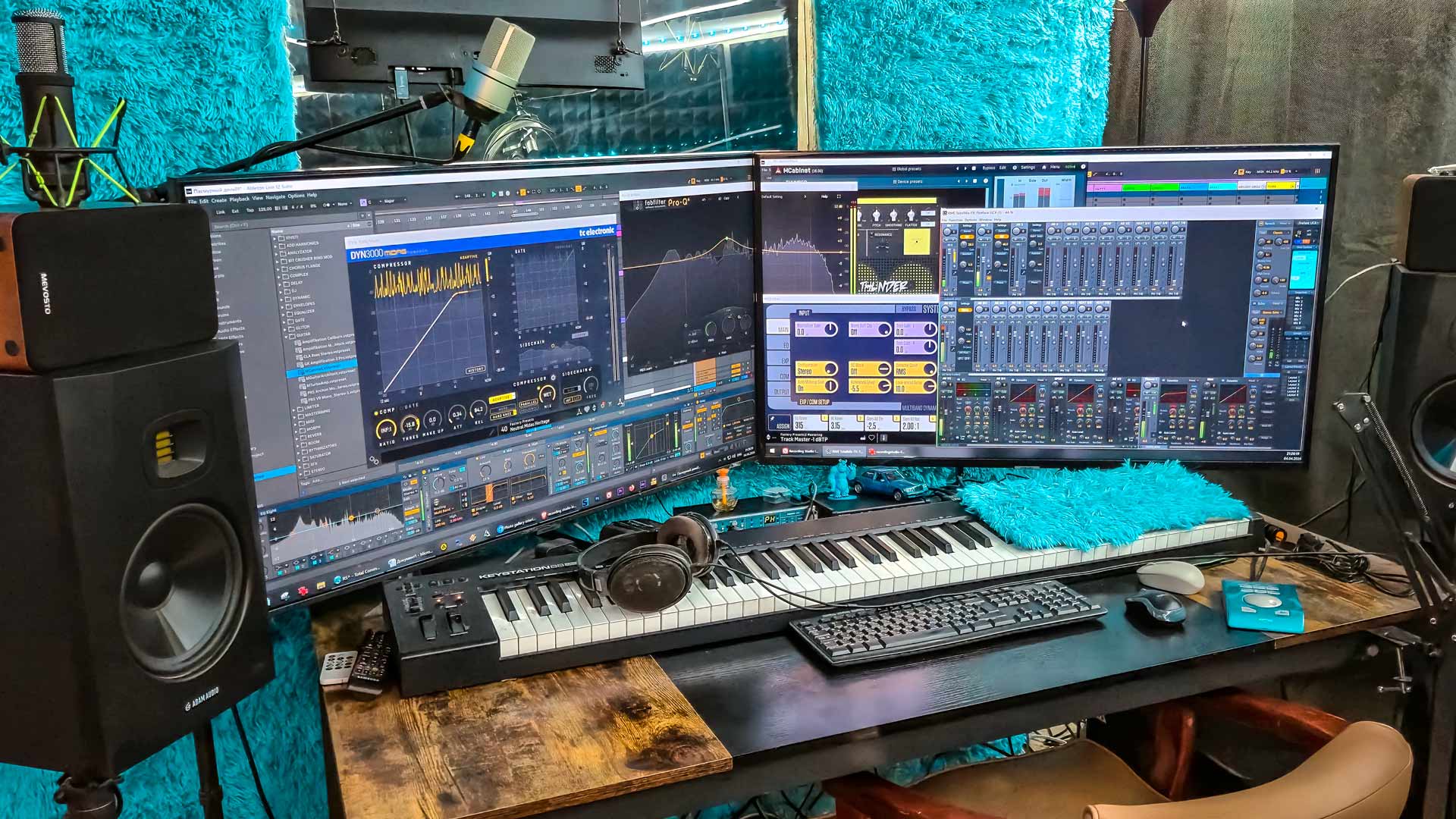
What “Flat” Really Means
Flat mixes often feel emotionally motionless. The listener hears sound, but not progression. There is no sense of tension and release, no emotional gravity pulling attention forward, and no changing perspective inside the arrangement.
This does not necessarily mean the engineer failed technically. A mix can be balanced, loud, modern, and still feel dead if the song itself never creates enough contrast, movement, or meaningful development.
Many artists try to fix flatness with more plugins, more effects, more layers, or more loudness. But sometimes the real problem is much deeper: the music stopped saying anything new after the first few seconds.
Movement & Dynamics
A living mix usually contains several layers of movement at once. There is movement inside phrases, movement inside rhythms, and movement across the larger structure of the song itself.
Small details matter: breathing inside a vocal line, groove changes inside a beat, pauses, accents, instrumental responses, tension between elements, and transitions that pass emotional attention from one part of the arrangement to another.
Without these layers of movement, songs often become static loops instead of evolving emotional experiences.
Why Mixes Become Boring
Modern productions sometimes replace emotional development with endless decoration. Arpeggios replace melody. Vocal tricks replace emotional storytelling. Constant shouting replaces intensity. Technical movement replaces meaningful movement.
The result can sound active on the surface while remaining emotionally empty underneath. The listener hears many details, but nothing truly changes internally.
This is why some technically polished tracks still feel forgettable after one listen. The song may contain sound design, but not enough emotional direction.
Loudness vs Energy
Many people try to fix flat mixes by pushing loudness harder and harder. But a mix becomes exciting mainly through emotional pressure, groove, contrast, performance, timing, and musical storytelling — not only through volume.
In some genres, aggressive loudness works perfectly. In others, excessive compression removes the very movement the music needed to stay alive. There is no universal formula. The correct balance depends on the artistic purpose of the song itself.
Sometimes even minimal productions with relatively high loudness still feel energetic because the arrangement, groove, and vocal delivery continue moving naturally.
Technical Perfection
Some songs are recorded, edited, tuned, balanced, and mastered very accurately but still fail to hold attention. The listener may recognize that the production sounds “professional,” yet emotionally nothing truly remains afterward.
Talent is not the same thing as technical knowledge. If creating unforgettable music could be reduced to a simple instruction manual, every song would already sound legendary.
The purpose of engineering is not to replace artistry. It is to help the emotional core of the music survive clearly enough to reach another human being.
When a Mix Comes Alive
A mix usually starts feeling alive when the listener unconsciously begins following the movement of the music instead of analyzing the sound technically. The body reacts naturally. The head moves with the groove. Attention stays engaged because the song keeps evolving emotionally.
Instruments begin occupying their own emotional spaces. The arrangement develops naturally. The vocal communicates instead of simply existing on top of the beat. The listener feels carried through the song rather than trapped inside repetition.
At that point, the mix stops feeling like assembled audio and starts feeling like music.
Related Recording Problems
Flat mixes often connect to other issues involving vocal delivery, arrangement, emotional focus, and listener engagement.
Related studio services include mixing and mastering, song demo production, vocal production, and stem mixing services.
Mixing Help
If your mix sounds flat, lifeless, repetitive, or emotionally frozen, the answer may not be another plugin chain. Sometimes the real solution is deeper arrangement work, stronger emotional direction, more movement inside the performance, and a clearer understanding of what the song is actually trying to communicate.
At Ronter Sound, the goal is not only to make songs technically louder or cleaner. The goal is helping music stay alive long enough for the listener to care.