Recording Problems & Audio Fixes
Muddy vocals are not always caused by “bad EQ.” Sometimes the real problem is that too many things stand between the artist and the listener: room reflections, unclear delivery, over-processing, tension, unreadiness, or a vocal that never fully opened emotionally.
At Ronter Sound, vocal recording inside our recording studio in Philadelphia is designed around clarity, openness, and emotional communication — not endless technical correction after the fact.
Room & Recording
Some microphones immediately make vocals sound bright, sharp, and detailed. That can feel impressive at first. But brightness without body, intention, or emotional density often creates a deceptive result where the listener hears clarity on the surface while the actual voice still feels empty underneath.
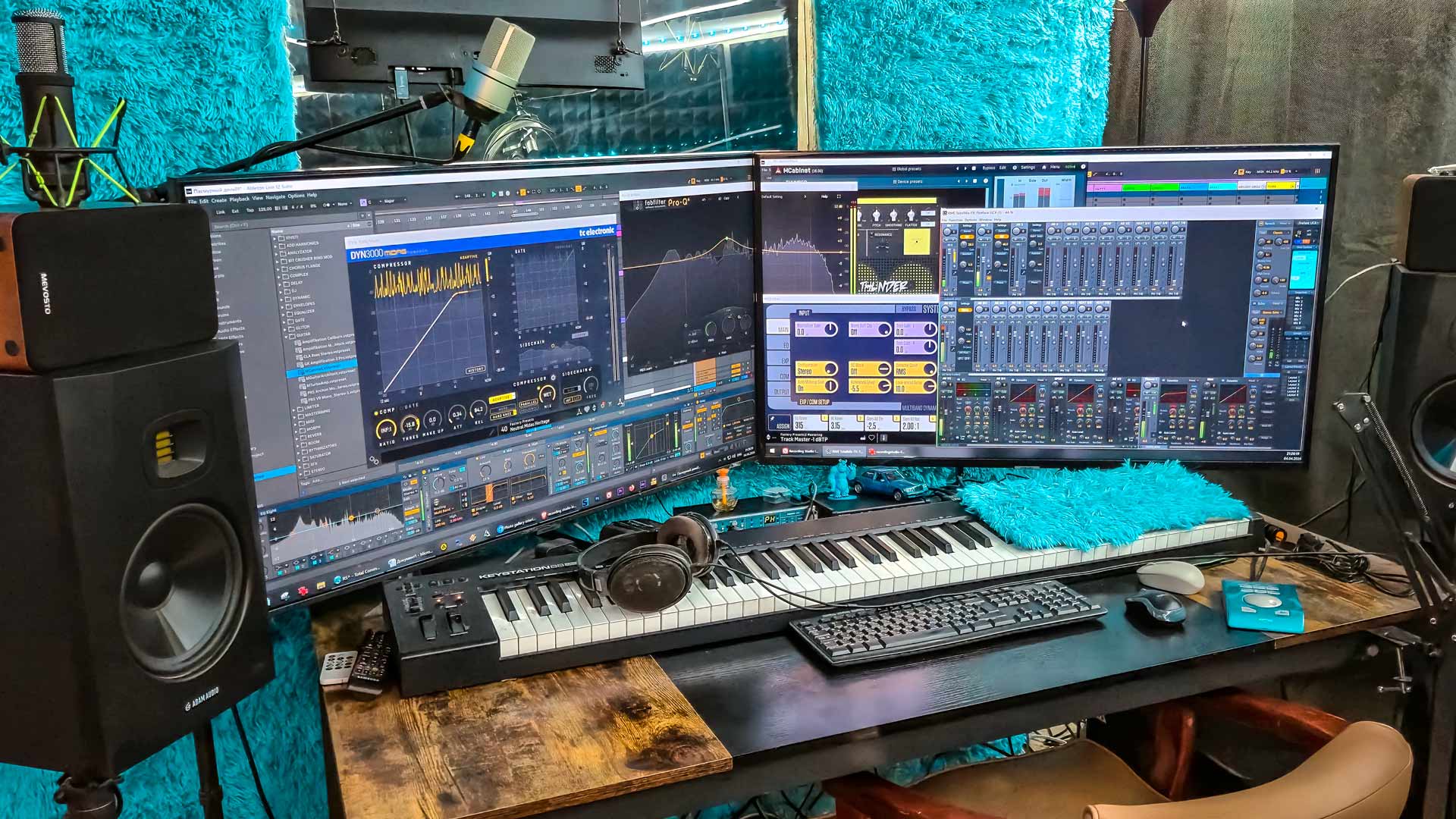
What “Muddy” Really Means
Muddy vocals often feel like something is covering the voice emotionally or acoustically. The words lose precision, the tone loses openness, and the listener has to work harder to understand both the lyrics and the feeling behind them.
In some cases, this comes from technical reasons. In other cases, the artist is simply not fully communicating through the song yet. The vocal may contain all the correct notes, but the performance still feels closed, cautious, or trapped inside itself.
A clear vocal is not only about frequencies. It is about whether the listener feels guided through the meaning naturally instead of struggling to decode it.
Boxy Vocals
Boxy vocals often happen when the recording space itself becomes part of the sound. Reflections bounce between flat parallel surfaces, standing waves build up, and certain frequencies begin reinforcing or canceling each other unnaturally.
Instead of hearing only the singer, the listener begins hearing the room around the singer. The vocal loses openness and starts feeling trapped inside a small enclosed space.
This is why professional vocal rooms are carefully shaped and treated acoustically. The goal is not to fight bad room sound later during mixing. The goal is to remove unnecessary obstacles before the artist even starts performing.
Nasal Vocals
Nasal vocals usually happen when the voice loses natural openness and begins concentrating too much energy into narrow resonant areas. Sometimes this comes from habit, tension, placement, breathing problems, or forcing the delivery unnaturally.
Some vocal styles intentionally use nasal color as part of a character or artistic choice. But when it happens unintentionally, the vocal often loses emotional depth and becomes harder to listen to over time.
The listener may not understand technically what is wrong. They simply feel that the voice never fully opens emotionally or physically.
Preparation Matters
A surprisingly large amount of muddy or unclear vocal delivery comes from lack of preparation. When artists still struggle with lyrics, breathing, rhythm, phrasing, or confidence during recording, their attention shifts inward toward survival instead of outward toward communication.
Instead of speaking through the song, they begin solving technical problems in real time: remembering words, controlling pitch, catching breath, forcing loudness, or trying to “sound professional.”
Recording sessions work best when the artist arrives ready enough that the microphone becomes a tool for expression instead of a place for emergency rehearsal.
Overprocessing
Sometimes engineers try to force vocals aggressively into a mix by compressing too hard, narrowing frequencies excessively, or chasing loudness at any cost. In certain genres this may be intentional, but inexperienced processing can easily flatten the vocal until it loses depth and movement.
Loudness itself is not the goal. In strong performances, perceived power usually comes more from expression, timing, articulation, rhythm, and emotional direction than from brute volume alone.
Even highly compressed modern vocals still need enough personality and character left inside them to feel human.
Open Vocals
Some singers technically improve the moment they feel safe, relaxed, and emotionally free enough to stop controlling every note. The voice becomes fuller, breathing becomes more natural, articulation becomes clearer, and the vocal suddenly feels easier to listen to.
In many cases, the real difference is not equipment. It is freedom of delivery. A vocal often becomes clearer once the artist begins communicating instead of monitoring themselves constantly.
This is why vocal recording is partly technical work and partly psychological work. The studio should support the artist instead of fighting against them.
Related Recording Problems
Muddy vocals often overlap with other recording problems involving emotional delivery, vocal placement, mix balance, and clarity of communication.
Related studio services include voice and vocal recording, vocal production, vocal editing and cleanup, and mixing and mastering.
Recording Help
If your vocals sound muddy, muffled, nasal, or boxy, the solution may not be another plugin chain. Sometimes the real improvement comes from better preparation, clearer emotional delivery, healthier vocal freedom, proper recording conditions, and a recording process built around communication instead of panic correction later.
At Ronter Sound, the goal is simple: remove unnecessary obstacles so the listener hears the artist, not the problems surrounding the artist.