Studio Guide
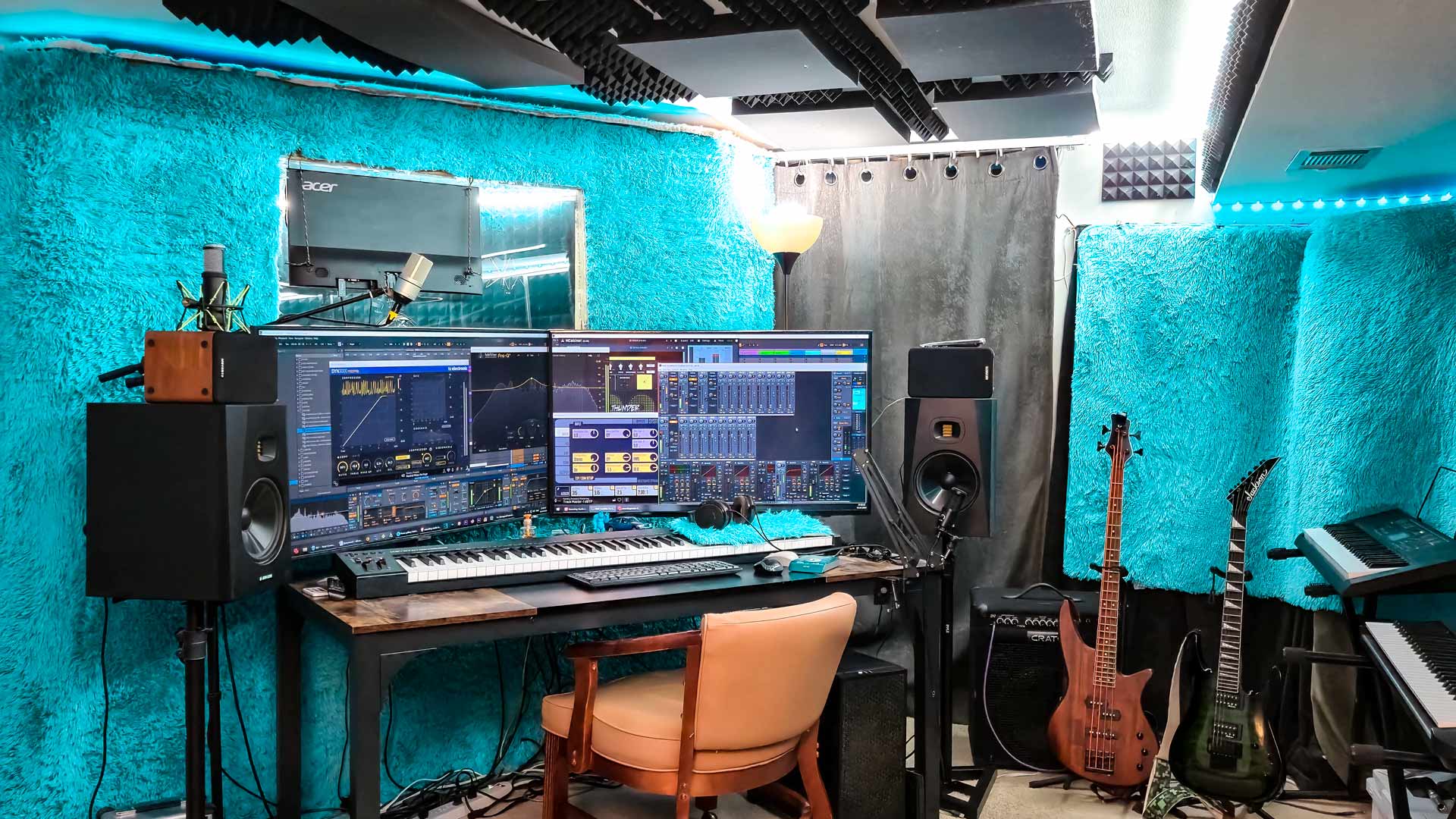
A sound engineer does not just press record — they control how your track is captured from the very first take.
Most people assume recording starts when the microphone turns on.
In reality, the engineer has already made decisions before that moment: signal levels, microphone position, room response, and how the performer will hear themselves.
These choices define the quality of everything that comes later, including mixing and mastering.
A sound engineer manages both technical and practical parts of a session.
This is why the engineer directly affects the final sound — not just the equipment.
Many artists think problems can be fixed later.
They usually can’t.
A weak recording stays weak, even after processing.
That’s why understanding how vocals are recorded professionally is important before starting.
Small adjustments make a big difference.
These are not things you fix later — they are handled during recording.
Mistakes at this stage are common: see common recording mistakes.
Studio time is billed hourly.
A strong engineer reduces:
That leads to faster sessions and better results.
You can see how sessions are structured on the studio pricing page.
These roles are often confused.
A producer focuses on creative direction.
A sound engineer focuses on capturing and controlling sound.
In many sessions, both roles overlap — but the engineer always handles the technical execution.
Recording at home removes the engineer from the process.
That means you are responsible for:
This is why results vary more at home: home vs studio comparison.
A sound engineer is not separate from the result.
They shape the recording before it becomes a track.
If you're ready to work in a controlled environment, you can book a recording session.
They control recording quality, microphone setup, levels, and session workflow.
No. A producer focuses on creative direction, while an engineer focuses on technical execution.
They can improve recordings, but major issues must be fixed during the session.
Yes, especially for professional-quality results and final tracks.
Through mic placement, monitoring, gain staging, and real-time adjustments.
Recording Guides