Recording Studio Guide
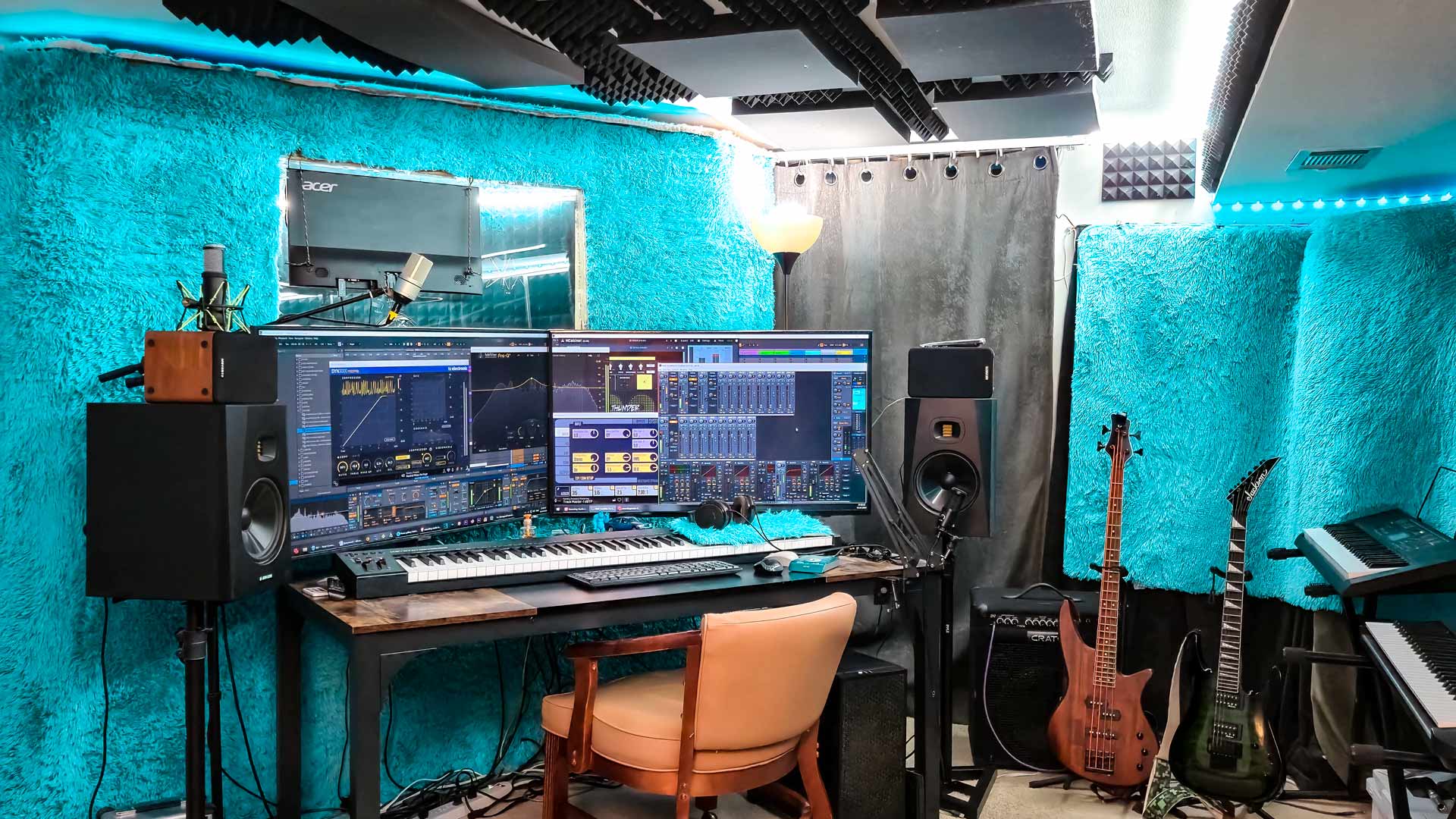
If it is your first time in a recording studio, the biggest uncertainty is usually not performance.
It is not knowing how the session actually works.
A good session should feel structured, calm, and clear — not confusing.
Most sessions do not begin with instant recording.
First, there is usually a short conversation about the goal, the track, the instrumental, and what you are planning to record.
Then the engineer sets up the microphone, headphones, playback, and levels so the session starts correctly.
That first part matters more than people think because it shapes everything that comes after it.
A first-time artist often sees pauses between takes and assumes nothing is happening.
In reality, the engineer is listening, checking levels, setting markers, comparing takes, and deciding what needs to happen next.
That is part of why studio work feels different from casual recording: what a sound engineer does.
You do not need to know every technical term.
You do need to be ready to listen, repeat takes, and adjust performance when something sounds off.
The session usually works best when the artist stays focused on delivery instead of trying to manage every technical detail.
Most people do not record one perfect take from start to finish.
A session usually happens in stages:
That is normal.
If you want to make this part easier, preparation matters: how to prepare for vocal recording.
Usually it is how detailed the process is.
Small things become obvious in a proper room:
That is not a bad sign.
That is part of why the studio is useful.
This depends on preparation, project complexity, and how quickly usable takes happen.
A simple session can move fast.
A more layered one takes longer.
If timing is your main question, this connects directly with how long vocal recording takes.
Most of the time, the biggest factor is not drama or hidden extras.
It is time.
Preparation, session flow, and the amount of recording or post-work needed usually define the real cost.
If you want the pricing side explained more directly, see recording studio rates in Philadelphia.
The studio will not magically create performance, preparation, or artistic clarity from nothing.
It gives you a better environment, better decisions, and a better process.
But you still need material worth recording.
A strong session feels focused.
You know what is being recorded.
You hear what changes between takes.
The session moves forward instead of drifting.
That is what most people are really looking for when they ask what to expect in a recording studio.
Expect a process, not a mystery.
You arrive, get set up, record in stages, listen back, adjust, and build the result step by step.
If you are ready to schedule your session, go to booking.
Usually a short conversation about the project, then microphone, headphones, playback, and levels are set before serious recording starts.
No. You do not need technical vocabulary, but you should be ready to follow direction and repeat takes when needed.
It depends on preparation and project complexity, but many first sessions take longer than beginners expect because recording includes setup, review, and corrections.
Yes. A good engineer helps with workflow, levels, listening back, take selection, and what should happen next.
Bring your lyrics, your instrumental or session material, clear goals, and enough preparation to perform without guessing through the basics.
Recording Guides