Recording Problems & Audio Fixes
Vocal distortion is not always a mistake. Sometimes distortion adds intensity, pressure, danger, aggression, or emotional instability that actually strengthens the song. Other times it simply destroys the recording and distracts the listener from the music completely.
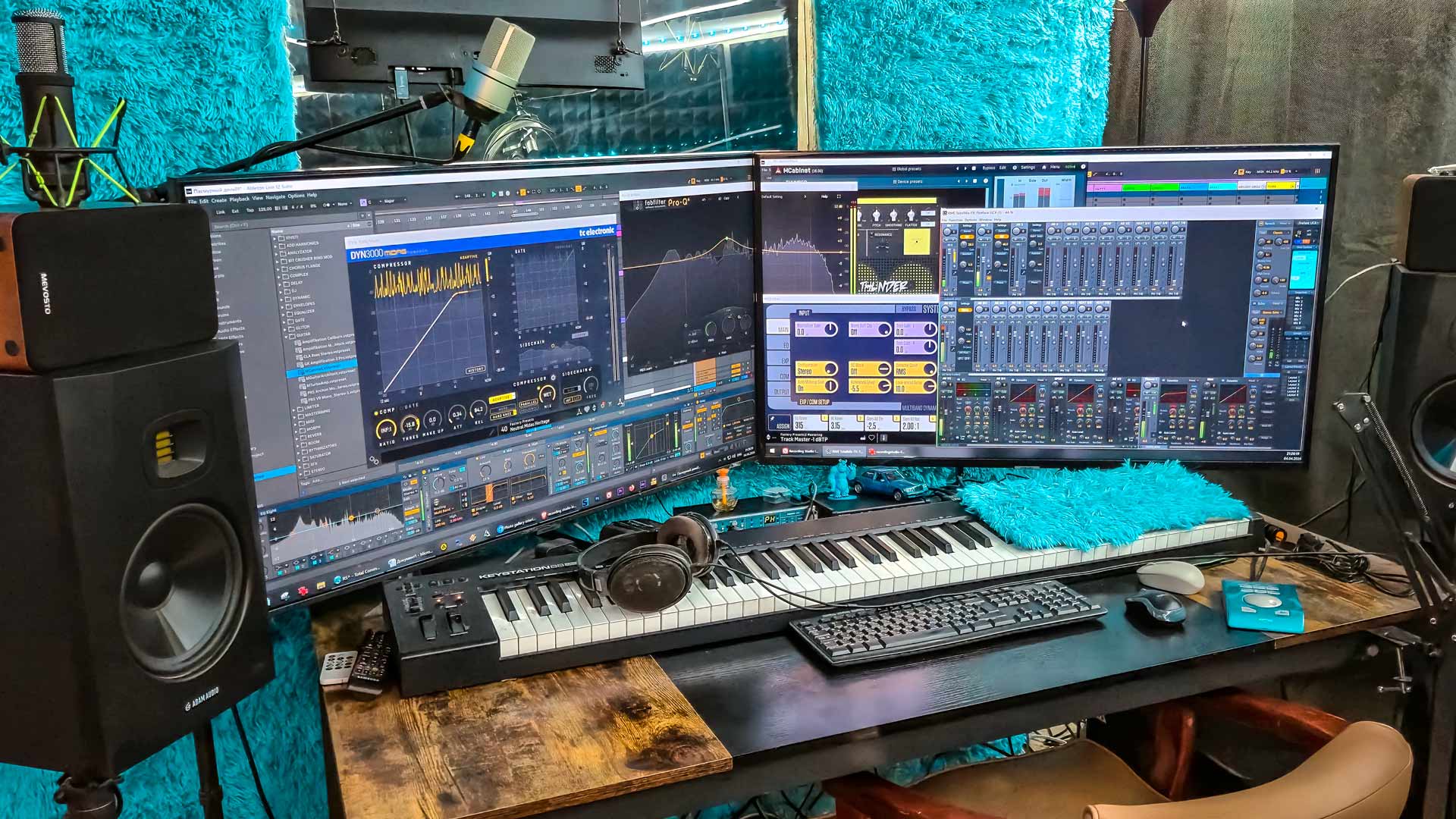
At Ronter Sound, vocal recording inside our recording studio in Philadelphia is designed to capture emotional energy cleanly first. Any distortion or saturation added later should serve the music intentionally instead of appearing accidentally because the recording process lost control.
Controlled Aggression
Some vocals become powerful precisely because they feel unstable, overloaded, desperate, angry, or emotionally pushed beyond comfort. In those moments, slight roughness or overdrive can feel human and convincing instead of polished and emotionally distant.
Two Different Things
Emotional overload happens when a singer pushes emotion so intensely that the voice itself begins breaking naturally in expressive ways. The listener often hears vulnerability, pain, anger, pressure, desperation, or emotional instability inside the performance.
Technical overload is different. That usually means the recording chain itself failed: clipping converters, overloaded preamps, broken gain staging, digital crackling, or uncontrolled distortion damaging the signal permanently.
One can feel emotionally powerful. The other usually feels accidental.
Digital Clipping
In professional recording workflows, uncontrolled digital clipping is generally treated as technical damage rather than artistic texture. Once the signal breaks apart digitally, the result often sounds harsh, brittle, distracting, and difficult to repair naturally later.
This is why recording levels should be adjusted carefully before the performance begins. Strong emotional vocals still need controlled input gain so the recording stays usable even during aggressive moments.
Emotional intensity should come from the artist — not from accidentally destroying the recording chain.
Artistic Distortion
Distortion can become part of the emotional language of a track. Some genres intentionally use vocal saturation, overdrive, grit, screaming textures, or aggressive processing to increase intensity and create a stronger emotional atmosphere.
But the important question is always the same: does the sound actually belong to the song emotionally? If the vocal aggression supports the lyrics, character, and emotional world of the track, the distortion can feel exciting and convincing.
If the distortion exists only to hide weakness, imitate aggression artificially, or compensate for missing emotional conviction, the listener usually feels that something is fake very quickly.
Forced Aggression
Some inexperienced vocalists try to sound powerful by forcing growls, screams, rasp, or aggressive textures onto vocals that emotionally do not support that level of intensity yet. The result often sounds theatrical rather than genuinely strong.
In many cases, a clean but emotionally committed vocal sounds far more aggressive and convincing than artificial distortion layered on top of weak delivery.
Real intensity usually comes from emotional pressure inside the performance itself — not only from vocal effects.
Controlled Imperfection
Perfectly clean vocals are not automatically more emotional. Slight instability, roughness, cracks, breath pressure, strain, or controlled saturation can sometimes make a performance feel more believable because the listener hears a real human being pushing emotionally against their own limits.
The important difference is control. Intentional imperfection still requires artistic awareness and technical understanding. Otherwise the recording simply falls apart instead of becoming expressive.
A broken sound only becomes beautiful when it still feels meaningful.
Genre & Style
Some genres naturally accept more aggressive vocal textures: industrial music, hard techno, scream-based rock styles, experimental productions, and heavily saturated electronic music often use distortion as part of the emotional vocabulary itself.
Other genres rely much more on clarity, intimacy, articulation, and direct emotional communication. In those cases, heavy distortion may distract from the actual meaning of the vocal rather than strengthen it.
There is no universal rule. Context, taste, emotional purpose, and artistic identity determine whether the distortion feels powerful or unnecessary.
Related Recording Problems
Distorted vocals often overlap with problems involving emotional control, overprocessing, vocal pressure, mix balance, and recording technique.
Related studio services include voice and vocal recording, vocal production, mixing and mastering, and Spotify & streaming mastering.
Recording Help
If your vocals distort, crackle, peak, or break apart during recording, the solution is not always removing every trace of roughness. Sometimes the goal is preserving the emotional energy while controlling the technical side carefully enough that the recording remains powerful instead of damaged.
At Ronter Sound, the focus is simple: emotional intensity should feel intentional, controlled, and meaningful — not accidental.