Studio Blog
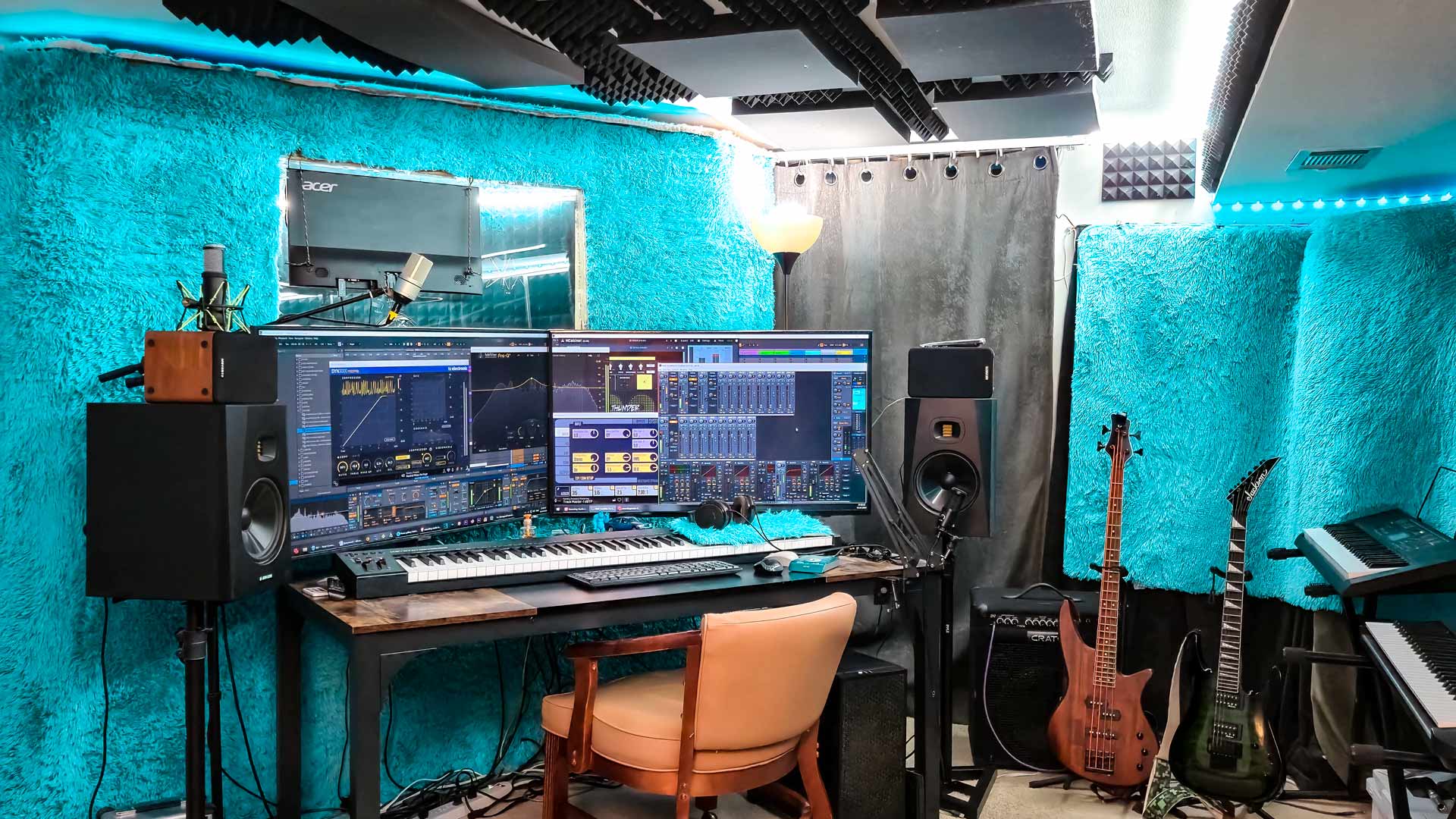
Most people look at gear and photos. The real difference shows up during the session.
If you’re trying to understand how a studio actually works, start from the main page. But that still won’t show you what really matters once recording begins.
Microphones. Speakers. Room design. Lighting. Price.
That’s usually the checklist.
It’s not wrong. It’s just incomplete.
A studio can look perfect and still produce weak results.
A session starts simple. You record a few takes and listen back.
Then small issues appear — timing, energy, delivery.
That’s the moment that defines the outcome.
Strong studios fix problems immediately.
Weak ones keep recording and hope to fix it later.
Most people think mixing will fix everything.
It won’t.
Mixing improves sound, but it doesn’t fix performance.
To understand this better: what mixing and mastering actually do.
The difference is not equipment.
It’s decision-making during recording.
These decisions shape the final track.
Better preparation means fewer takes.
Fewer takes means stronger results.
If you're preparing for a session: how to prepare for vocal recording.
Studio time is hourly.
A strong workflow reduces time.
That means lower total cost — even if rates are similar.
See typical pricing: recording studio rates in Philadelphia.
A good session is focused.
You record, listen, adjust, and improve immediately.
No guessing. No delays.
That’s what creates a consistent result.
Don’t judge by photos or equipment alone.
Look at how the session is handled.
If you're planning to record vocals: how vocals are recorded professionally.
A good studio is not defined by what you see.
It’s defined by what happens during recording.
If you're ready to start, you can book a recording session.
The best studio is the one with a strong recording process and real-time decision-making.
Focus on workflow and session quality, not just equipment.
Yes, but decisions during recording matter more.
Because of differences in recording approach and session management.
Yes, especially for final tracks and consistent sound quality.
Recording Guides