Inside a Recording Studio Session
Voice-over recording looks simple only from far away. Somebody comes into the studio, stands in front of a microphone, reads a text, and that is it. But in real work, voice-over can mean completely different things depending on the project.
At Ronter Sound Recording Studio Philadelphia, we record voice-over for YouTube videos, reels, advertising, narration, explainer videos, dubbing, podcasts, presentations, radio, television, internet content, commercial projects, and multilingual media.
This is not singing. This is spoken voice. But spoken voice also has its own craft: diction, timing, character, language, emotional delivery, technical accuracy, and understanding what the final project needs.
Voice-Over Work
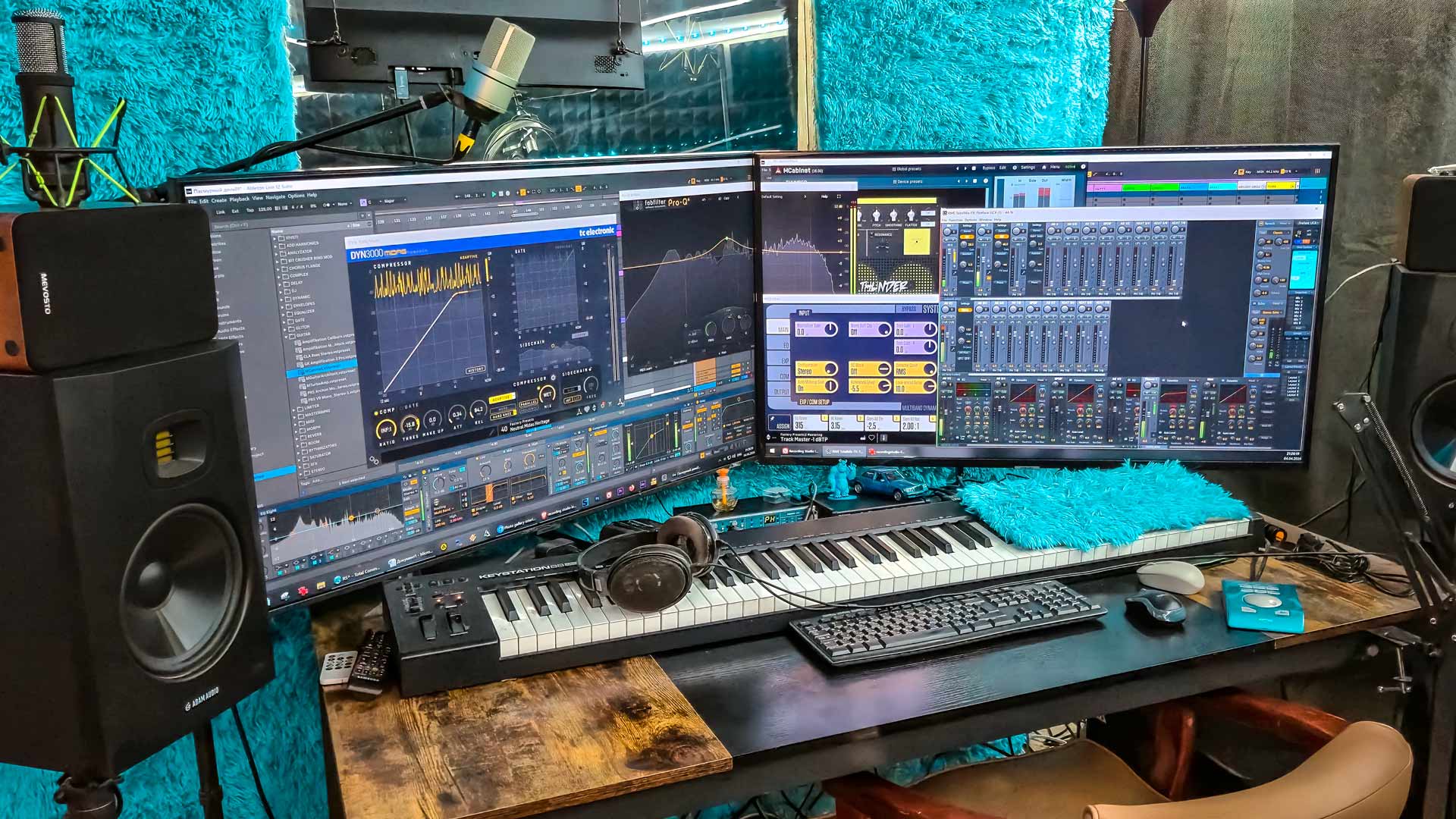
Voice-over work can be divided into several large types.
The first type is when we record without video. We are working from text, from a script, from a technical assignment, from an advertising task, from an audio project, from a presentation idea, or from some other spoken-word requirement.
The second type is when we record voice-over for an existing video. Then we are already looking at the picture, the timing, the scenes, the length of the phrases, and how the voice fits into the visual material.
And then there is a more specific type: dubbing and lip sync. That is when somebody is already speaking on screen, and we need to record another voice so it matches the lips and timing of the person in the video.
All of this is voice-over. But it is not the same work.
Without Video
The first big type of voice-over work is when we are not recording under video.
For example, a technical assignment comes from an advertising agency. Or a client sends a text that needs to be read in a certain way. Or somebody needs narration, a commercial audio piece, a presentation, a demo for a voice actor, a radio spot, an internet advertisement, or some spoken material for future use.
In this case, we start from the text and the task.
The technical assignment should describe what kind of voice is needed. Male or female. Young or mature. Maybe even a child’s voice. What language is needed. What kind of character. What kind of delivery. What kind of emotional color.
The more clearly this is described before recording, the easier it is to get the right result.
Voice Character
Voice-over is not only about reading words clearly.
We need to understand who is speaking.
Is this a classic announcer? Is this a neutral informational voice? Is this a friendly neighbor speaking naturally? Is this a cheerful friend telling something with excitement? Is this a serious expert? Is this a sarcastic character? Is this a warm narrator? Is this a strict commercial voice?
The same text can sound completely different depending on who is supposed to be speaking.
That is why the situation matters. The image matters. The character matters. The voice actor or narrator must understand not only the words, but the role behind those words.
Sometimes the text should sound official. Sometimes it should sound like a conversation. Sometimes it should sound like a person recommending something casually. Sometimes it should sound like a commercial. Sometimes like a story. Sometimes like instruction.
This is where professional voice-over begins: not with the microphone, but with understanding the voice image.
Languages
Voice-over work is not limited only to English.
We can record spoken voice in English, Russian, Ukrainian, Spanish, and other languages depending on the project and the voice talent involved.
Sometimes the client already has the voice actor or native speaker selected. Sometimes the voice-over artist comes to us because they need a professional studio where the recording can be done properly.
In multilingual work, pronunciation, fluency, natural speech rhythm, and the native quality of the voice become especially important.
A language is not only words. It is rhythm, accent, breath, emotional habit, and natural phrasing. That is why professional speakers and native speakers matter.
Voice Talent
Very often, people who come for voice-over recording are professionals.
These are voice actors, narrators, radio and television presenters, actors, native speakers, readers, announcers, and people who sell their voice professionally.
They know how to read text aloud. They know how to control the voice. They know how to intonate. They know how to keep a clear rhythm. They know how to make the words sound natural and confident.
In such sessions, my task is not to teach a professional voice actor how to read.
My task is to provide the studio, the recording quality, the monitoring, the technical control, and the production attention so the project is captured correctly.
Professional participants on professional equipment — this is already a big part of what makes the result professional.
Voice for Video
The second big type of work is when we record voice-over for video.
This can be YouTube content, reels, short videos, explainer videos, presentations, corporate videos, educational videos, advertisements, social media content, or any video where a spoken voice needs to be added.
Here we are not working only with the text anymore. We are working with the picture.
We look at the video. We understand where the phrases should be placed. We see how long the visual scene lasts. We check whether the text fits the timing. We decide whether the voice should be recorded directly under the picture or whether we can record first and then place the voice correctly during editing.
Sometimes the speaker reads while watching the video. Sometimes the speaker reads without watching, and then I place everything where it needs to be. It depends on the task.
The main thing is that the voice must fit the video. It has to enter at the right moment, leave at the right moment, and support what the viewer sees.
Commercial Content
Voice-over is often not musical work in the usual creative-song sense.
It can be commercial content. Presentation content. Educational content. Information content. Advertising content. Content for radio, television, internet, YouTube, reels, podcasts, explainer videos, corporate materials, and media campaigns.
The goal is not always artistic expression.
Sometimes the goal is clarity. Sometimes trust. Sometimes authority. Sometimes friendliness. Sometimes sales. Sometimes explanation. Sometimes simple, clean communication.
That is why professional spoken audio matters. Bad sound immediately lowers trust. Unclear diction loses information. Wrong pacing makes the listener tired. Bad timing can ruin the whole video.
Voice-over must serve the purpose of the project.
Dubbing
A special subtype of voice-over work is dubbing.
This is when somebody is already speaking on screen — an actor, presenter, narrator, or another person in the frame — and we need to record a new voice so it matches the picture.
Here we are not simply reading text.
We are trying to match the timing of the person on screen. We are trying to get into the lips. This is called lip sync: lips plus synchronization.
The voice actor needs to see the video. They need to understand when the person starts speaking, when they stop, where the pauses are, how the phrase moves, and how closely the new voice needs to match the original screen performance.
This is much more precise than simple narration.
Studio Setup
My studio is equipped for this type of work.
In the vocal booth, there is a special monitor where the video can be shown to the voice actor. This way, the person recording the voice can see what is happening on screen while speaking.
In the control room, I see the same video and hear the recorded voice. I monitor whether the timing works, whether the phrase fits, whether the voice actor hits the right places, and whether the voice belongs to the video.
If the actor misses the timing, we record again. If a phrase is too long, we adjust. If the delivery does not match the image, we correct it.
This is careful work. But when it is done well, the result feels natural: the commercial, video, presentation, explainer, dubbing project, or reel starts to sound complete.
Quality Control
How do I check diction, tempo, and intonation during voice-over recording?
By relevance to the task.
By the technical assignment.
By timing.
By whether the phrase fits the required duration.
By whether the voice matches the intended character.
Sometimes the brief already says how fast the text should be read, how many words per second are expected, what kind of emotional tone is needed, and what style of delivery is required.
So during recording, I listen not only to “is the voice beautiful?” That is too primitive.
I listen to whether the voice is doing the job.
Is the diction clear? Is the tempo right? Is the emotional color suitable? Does the voice fit the video? Does it fit the commercial? Does it fit the character? Does it fit the timing?
Spoken Voice
Voice-over is different from vocal recording.
Vocal recording usually means singing. Notes, melody, pitch, rhythm inside a song, musical phrasing, emotional singing, vocal takes, tuning, harmonies, and so on.
Voice-over is spoken text.
It is reading, speaking, narrating, explaining, advertising, presenting, dubbing, or telling something with the voice.
But this does not mean voice-over is easier or less serious.
A good spoken voice requires control. The person must speak clearly, confidently, naturally, and in the correct character. A professional voice actor can make a text sound alive without singing a single note.
Professional Result
What makes a voice-over recording professional?
Professional participants on professional equipment.
A person who can read text at a high level. A voice actor who knows how to present their voice. A narrator who understands intonation. A speaker with a deep, controlled, confident, well-placed voice. A performer who knows how to be clear, natural, and convincing.
And of course, the studio must record that voice properly.
Clean sound. Good microphone technique. Proper acoustics. Correct monitoring. Technical control. Editing when needed. Accurate delivery of the final material.
Voice-over often looks simple, but the final listener immediately feels the difference between amateur spoken audio and professional spoken audio.
Common Mistakes
Clients sometimes make mistakes before the recording even begins.
The most common problem is an unclear technical assignment.
The client imagines one thing at the beginning, but by the end it turns out they actually needed something else.
Maybe the tone was described poorly. Maybe the timing was not calculated. Maybe the text is too long for the video. Maybe the character of the voice was not clear. Maybe the client did not decide whether they wanted an announcer, a friendly conversational voice, a serious expert, or a more emotional performance.
This is why I try to think ahead.
Where can a problem appear? Where can the timing fail? Where can the voice not match the video? Where can the delivery not match the task? Where can the client later say: “Actually, we meant something different”?
It is better to clarify these things before recording than to discover them after the session is over.
Studio Support
My role is not only to press Record.
I listen during the recording. I check whether the project matches the task. I monitor timing, delivery, diction, technical quality, and possible mismatches.
If something may cause trouble later, I try to catch it early.
If the phrase is too long for the video, we notice it. If the delivery is not right for the character, we notice it. If the voice does not fit the brief, we discuss it. If the pacing is wrong, we adjust. If dubbing does not hit the lips, we record another take.
On every stage, I try to avoid mistakes and inaccuracies.
This is what professional studio work is supposed to do: not only capture the voice, but help the project reach the final result without unnecessary chaos.
Ronter Sound
We record voice-over for many kinds of projects: commercial videos, audio commercials, YouTube videos, reels, explainer videos, presentations, dubbing, podcasts, radio, television, internet advertising, educational content, and other spoken media.
We work with voice actors, narrators, readers, native speakers, presenters, podcasters, and people who use their voice professionally.
Sometimes the client sends me the technical assignment directly. Sometimes the voice actor receives the assignment and simply needs a proper studio where the project can be recorded. Both formats are normal.
We can record the voice cleanly, monitor the performance, work with video when needed, handle timing, support dubbing and lip sync work, and prepare the material according to the project.
If you need voice-over recording for a commercial, presentation, video, reel, YouTube project, podcast, narration, or dubbing work, contact us. We will work on your project carefully, professionally, and with attention to the final purpose of the audio.
Welcome to the calm and productive atmosphere of Ronter Sound Recording Studio Philadelphia.
Studio Knowledge Base
If you would like to learn more about how professional recording sessions work, explore the rest of our Inside a Recording Studio Session series:
Inside a Recording Studio Session
How Vocal Recording Actually Works
How Vocal Post Production Actually Works
How We Work With a Client Instrumental
Who Owns the Rights to a Music Arrangement?
How We Create a Music Arrangement Together
How We Record Rap and Hip-Hop Songs
How Dance Music Vocals Are Recorded
How Voice-Over Recording Works
What Audio Engineers Do During Recording